

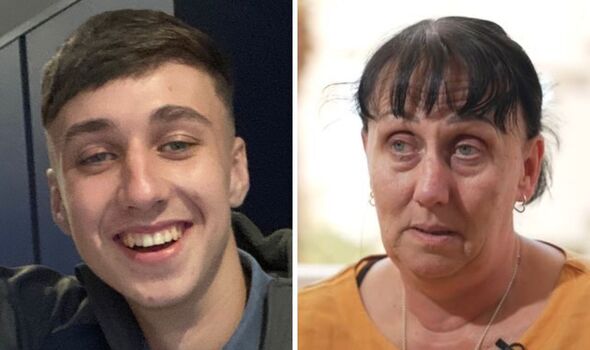
Sometimes a missing-person story reaches far beyond the place where it began. People check their phones for updates, strangers join searches, and families wait through hours that must feel painfully slow. That’s what happened in the case of Jay Slater, a 19-year-old from Lancashire whose disappearance in Tenerife captured attention across the UK and beyond.
Behind the headlines was a young apprentice, a loyal friend, and a much-loved son. His story shouldn’t be reduced to internet rumours or dramatic theories. It deserves to be told with care, using what investigators and the coroner eventually established.
Who Was Jay Slater?
Jay Dean Slater was born on April 26, 2005, and came from Oswaldtwistle in Lancashire, England. He attended West End Primary School and later studied at Rhyddings High School.
After finishing school, he began training as an apprentice bricklayer at Accrington and Rossendale College. It was a practical career choice and, by most accounts, suited his active personality.
Football also played a meaningful role in his childhood. He spent several years playing for Huncoat United, where former coaches remembered his natural ability and the smile he brought onto the pitch. Friends and relatives later described him as energetic, cheerful, and fiercely loyal to the people close to him.
Those details matter. News coverage can make someone feel like a name attached to a case, but Jay had an ordinary life filled with family relationships, friendships, work plans, jokes, and future hopes.
Biography and Early Life
Jay Dean Slater was a British apprentice bricklayer from Oswaldtwistle, Lancashire. He was born on April 26, 2005, to Debbie Duncan and Warren Slater. He grew up alongside his older brother, Zak.
| Personal detail | Information |
| Full name | Jay Dean Slater |
| Date of birth | April 26, 2005 |
| Place of residence | Oswaldtwistle, Lancashire, England |
| Nationality | British |
| Parents | Debbie Duncan and Warren Slater |
| Sibling | Older brother, Zak |
| Education | West End Primary School and Rhyddings High School |
| College | Accrington and Rossendale College |
| Occupation | Apprentice bricklayer |
| Football club | Huncoat United FC |
| Date of death | June 17, 2024 |
| Age at death | 19 years old |
| Place of death | Juan López ravine near Masca, Tenerife |
| Cause of death | Traumatic head and brain injuries caused by an accidental fall |
Childhood and Education
Jay spent his childhood in Lancashire, where he attended West End Primary School before moving on to Rhyddings High School. People who knew him described him as outgoing, lively, and comfortable around others.
After leaving school, he joined Accrington and Rossendale College and began training as an apprentice bricklayer. It was the beginning of a practical career, and at only 19, he still had plenty of time to build a future for himself.
His Interest in Football
Football was a big part of Jay’s early life. He played for Huncoat United FC from childhood into his teenage years. Former coaches remembered him as a naturally talented player who usually stepped onto the pitch with a smile.
His time at the club also reflected the social side of his personality. He enjoyed being around teammates, competing, and sharing those ordinary moments that later became precious memories for his family and friends.
Personality and Family Life
Family tributes painted a picture of a cheerful young man who loved music, football, holidays, and spending time with friends. His mother remembered him as a joy to be around, while others described him as a loving son, a cherished brother, and a loyal friend.
And that’s the side of his biography worth remembering. Before the Tenerife disappearance turned his name into an international headline, he was a young man from Lancashire learning a trade, enjoying life, and making plans for the years ahead.
Why Was He in Tenerife?
In June 2024, Jay travelled to Tenerife with friends for the NRG music festival. The event took place around Playa de las Américas, a busy resort area in the south of the island.
It was reportedly his first holiday abroad without his parents. For a 19-year-old, that probably felt like a big moment—music, friends, warm weather, and a little independence.
After spending the night at the festival, he travelled with two men to accommodation near Masca, a small mountain village in north-west Tenerife. Spanish police later investigated the men and found no evidence connecting them to his death.
The location was a long way from Jay’s holiday accommodation in Los Cristianos. What may have looked like a manageable journey on a map was very different on the ground. The area surrounding Masca is steep, rocky, hot, and difficult to navigate without proper preparation.
The Morning He Disappeared
On the morning of June 17, 2024, Jay left the property near Masca. He was reportedly told that a bus would arrive later, but he decided to begin travelling on foot.
During calls with friends, he explained that he was lost, needed water, and had very little battery left on his phone. He had also hurt his leg on a cactus. His intended destination was many miles away, and walking there would have taken most of the day.
His last known phone activity placed him near the Rural de Teno National Park, an area filled with sharp drops, ravines, narrow paths, and rough mountain terrain.
And then contact stopped.
For his friends, that silence must have been terrifying. A phone running out of power is common while travelling, of course, but the remote location and the details shared during his final calls created immediate concern.
The Search in Tenerife
A large search operation began after the teenager was reported missing. The Guardia Civil, mountain rescue teams, firefighters, search dogs, drones, and helicopters were involved at different stages.
The search focused heavily on the rugged land around Masca and the Teno region. This wasn’t easy countryside. Thick vegetation, loose rocks, steep slopes, and deep ravines made some areas dangerous even for trained teams.
Volunteers also travelled to Tenerife or joined locally. Back in Lancashire, Jay’s family and community organised appeals, shared information, and continued asking for support.
The official ground search was scaled back at the end of June, though the police investigation continued. That decision caused frustration among people following the case, especially Jay’s family, who were still desperate for answers.
The Discovery in the Juan López Ravine
On July 15, almost a month after the disappearance, Spanish rescue workers found human remains in the Juan López ravine near Masca. Personal belongings and clothing were located with the body.
The position was close to the last known location of Jay’s mobile phone. The terrain was so inaccessible that emergency workers needed specialist equipment and helicopter support during the recovery.
DNA testing confirmed the identity the following day. The medical evidence showed that he had suffered injuries consistent with a fall from height.
It was the answer his family had feared. The long period of uncertainty was over, but it had been replaced by something permanent and deeply painful.
What Did the Inquest Find?
A UK inquest examined the circumstances surrounding the death, including medical findings, phone records, witness evidence, and information gathered during the Spanish investigation.
In July 2025, the coroner ruled that Jay had died accidentally after falling approximately 20 to 25 metres in a particularly dangerous part of the ravine. He suffered severe skull fractures and brain trauma, and the evidence indicated that death would have been immediate.
The coroner found no sign that another person had assaulted, threatened, restrained, or chased him. There was also no evidence of third-party involvement.
This finding was important because so many unsupported claims had circulated while the search was still underway. The available evidence ultimately pointed to a tragic accident in hazardous mountain terrain, not a criminal act. The ruling was reported by Reuters and Sky News.
Find More Expert Content: Catherine Ritchson
How Social Media Changed the Case
The Tenerife disappearance became one of the most widely discussed missing-person cases of 2024. TikTok, Facebook, YouTube, and other platforms filled with maps, alleged sightings, timelines, and supposed clues.
Some users genuinely wanted to help. But others treated the situation like entertainment, building theories from incomplete information and directing suspicion at people who hadn’t been accused of any crime.
That’s the troubling part. Online speculation can travel much faster than verified facts, and once a rumour spreads, correcting it is difficult. Families then have to cope with public accusations alongside their private grief.
Curiosity is natural when a case has unanswered questions. Still, there’s a line between carefully discussing confirmed information and turning a real person’s death into a mystery game. In this case, that line was crossed far too often.
Family Tributes and the Funeral
Jay’s funeral was held in Accrington on August 10, 2024. Hundreds of relatives, friends, and community members attended, with many wearing blue in his memory.
The service focused on his life rather than the circumstances of his death. He was remembered as a loving son, a cherished brother, a loyal friend, and a young man who had touched many lives.
His football years were mentioned too. Those memories—a child running onto a pitch, laughing with teammates, and playing with confidence—offered a warmer picture than the one repeated across news reports.
A Sad Reminder for Travellers
This case carries a simple but serious lesson about unfamiliar landscapes. A route that looks possible on a phone can become dangerous when heat, dehydration, exhaustion, low battery, poor footwear, or confusion enter the picture.
Travellers exploring remote areas should carry water, keep their phones charged, use recognised walking routes, and wait for safe transport when possible. Sharing a live location with friends can also make a difference during an emergency.
None of this should be used to judge someone after a tragedy. Young people sometimes make quick decisions without recognising the danger ahead. Most of the time, they return safely. Sadly, this time was different.
Remembering the Person Beyond the Headlines
The story of Jay Slater became known internationally because of the search, the difficult landscape, and the unanswered questions that surrounded his final hours. Yet his family knew him through ordinary moments that never appeared in breaking-news alerts.
The inquest provided a clear legal conclusion: his death was accidental, and no one else was involved. That finding should bring an end to the harsher rumours, even if it can’t ease the loss felt by those who loved him.
He was only 19. And that, more than the online theories or endless headlines, is what makes the story so heartbreaking.
Frequently Asked Questions
Who was the teenager who disappeared in Tenerife?
He was a 19-year-old apprentice bricklayer from Oswaldtwistle, Lancashire. He had travelled to Tenerife with friends to attend the NRG music festival.
When did he go missing?
He disappeared on the morning of June 17, 2024, after leaving accommodation near the mountain village of Masca.
Where was his body found?
Spanish rescue workers found his body in the remote Juan López ravine near Masca on July 15, 2024.
What was the official cause of death?
The inquest found that he died from severe head and brain injuries after accidentally falling approximately 20 to 25 metres.
Was anyone else involved in his death?
No. The coroner found no evidence of assault, threats, restraint, or third-party involvement.
Why did the search take so long?
The search area contained steep ravines, loose rocks, thick vegetation, and other difficult terrain. These conditions made parts of the region extremely challenging and dangerous to examine.
Follow Us for More Informational Blogs
