

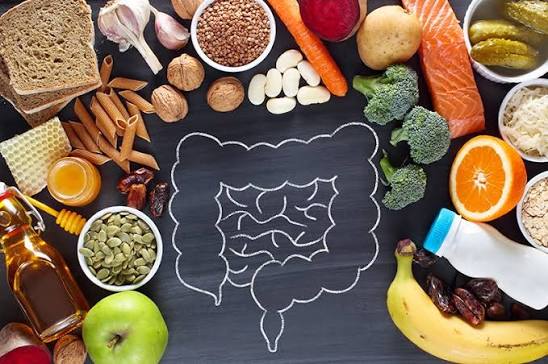
Your gut is often called the “second brain,” and for good reason. It houses trillions of bacteria, communicates directly with your central nervous system, and plays a role in everything from digestion to immunity to mood regulation. Yet most people only think about their gut when something goes wrong — bloating after a meal, occasional constipation, or an upset stomach.
In reality, gut health is foundational to overall wellness, and understanding how to support it can have ripple effects throughout your entire body. This article explores what gut health really means, why it matters so much, and practical steps you can take to improve it.
What Is the Gut Microbiome?
The gut microbiome refers to the trillions of bacteria, fungi, viruses, and other microorganisms that live primarily in your large intestine. While the word “bacteria” might sound alarming, the vast majority of these microbes are either neutral or beneficial. A healthy, diverse microbiome helps:
- Break down food and extract nutrients
- Produce certain vitamins, including some B vitamins and vitamin K
- Train and regulate the immune system
- Protect against harmful pathogens by competing for resources
- Produce short-chain fatty acids that support gut lining health
- Communicate with the brain via the gut-brain axis, influencing mood and cognition
When this delicate ecosystem becomes imbalanced — a state known as dysbiosis — it can contribute to a wide range of issues, from digestive discomfort to systemic inflammation.
Signs Your Gut Health May Need Attention
Many gut health issues show up in ways that aren’t immediately obvious. Common indicators include:
- Digestive symptoms — bloating, gas, constipation, diarrhea, or frequent stomach discomfort
- Food sensitivities — new or worsening reactions to foods you previously tolerated well
- Fatigue — persistent tiredness that doesn’t improve with rest
- Skin issues — conditions like eczema, acne, or rosacea, which have been linked to gut imbalances
- Mood changes — anxiety or low mood, given the strong gut-brain connection
- Frequent illness — since a large portion of your immune system resides in the gut, an imbalanced microbiome can mean more frequent colds or infections
- Unintentional weight changes — difficulty losing or gaining weight despite consistent habits
If several of these resonate with you, it may be worth taking a closer look at your digestive health.
The Gut-Brain Connection
One of the most fascinating areas of modern health research is the gut-brain axis — the bidirectional communication network between your digestive system and your brain. This connection happens through the vagus nerve, hormonal signaling, and the immune system.
Interestingly, about 90% of the body’s serotonin — a neurotransmitter heavily involved in mood regulation — is produced in the gut, not the brain. This is part of why digestive issues are so often accompanied by anxiety or low mood, and why stress can trigger stomach problems. Caring for your gut isn’t just about digestion; it’s also a meaningful part of supporting your mental health.
How to Improve Your Gut Health Naturally
1. Eat a Diverse Range of Plant Foods
Diversity is one of the most important factors in a healthy microbiome. Different plant foods feed different strains of beneficial bacteria. Aim to include a wide variety of vegetables, fruits, legumes, whole grains, nuts, and seeds in your diet rather than eating the same few foods repeatedly.
2. Prioritize Fiber Intake
Fiber acts as food for your beneficial gut bacteria, particularly a type called prebiotic fiber. Foods like oats, bananas, garlic, onions, leeks, asparagus, and legumes are excellent sources. As gut bacteria ferment fiber, they produce short-chain fatty acids like butyrate, which nourish the cells lining your intestines and reduce inflammation.
3. Include Fermented Foods
Fermented foods naturally contain beneficial live bacteria (probiotics) that can help diversify and support your microbiome. Consider incorporating yogurt with live cultures, kefir, sauerkraut, kimchi, and other traditionally fermented foods into your meals regularly.
4. Stay Hydrated
Adequate water intake supports healthy digestion and helps prevent constipation by keeping stool soft and easier to pass. It also supports the mucosal lining of the intestines, which plays a role in nutrient absorption and protecting against harmful bacteria.
5. Limit Processed Foods and Added Sugar
Diets high in processed foods, artificial additives, and added sugars have been associated with reduced microbial diversity and increased inflammation. These foods often promote the growth of less beneficial bacterial strains while crowding out the fiber-rich foods that support a healthy gut.
6. Be Cautious With Unnecessary Antibiotics
While antibiotics are sometimes medically necessary, they don’t discriminate between harmful and beneficial bacteria, often significantly disrupting the microbiome. Only take antibiotics when prescribed and necessary, and talk to your doctor about supporting your gut during and after a course of treatment.
7. Manage Stress Levels
As discussed in the gut-brain connection above, chronic stress can directly affect gut function and microbial balance. Incorporating stress-reduction techniques like deep breathing, exercise, and adequate sleep can have a measurable positive impact on digestive health.
8. Get Enough Sleep
Poor sleep has been linked to reduced microbial diversity in several studies. Prioritizing 7-9 hours of quality sleep each night supports not just your gut, but your entire body’s ability to repair and regulate itself.
9. Move Your Body
Regular physical activity has been shown to increase the diversity and richness of gut bacteria. Even moderate exercise like walking can support healthy digestion and regular bowel movements.
10. Consider Probiotic and Prebiotic Supplements Thoughtfully
While whole foods should be your primary source of pro- and prebiotics, supplements can be helpful in certain situations, such as after a course of antibiotics or during periods of digestive distress. It’s best to discuss specific strains and dosages with a healthcare provider, as needs vary significantly from person to person.
Common Gut Health Myths
Myth: All bacteria are bad. In reality, the majority of gut bacteria are either neutral or actively beneficial. A healthy gut isn’t bacteria-free — it’s balanced and diverse.
Myth: You need expensive supplements to fix your gut. While certain supplements can help in specific situations, the foundation of good gut health is almost always diet and lifestyle, not pills.
Myth: Gut health only affects digestion. As we’ve covered, the gut influences immunity, mood, skin health, and more — its impact extends well beyond the digestive tract.
When to See a Doctor
While many gut health issues can improve with dietary and lifestyle changes, certain symptoms warrant medical attention. See a healthcare provider if you experience persistent abdominal pain, unexplained weight loss, blood in your stool, chronic diarrhea or constipation, or symptoms that significantly affect your daily life. These could indicate underlying conditions that require proper diagnosis and treatment.
Final Thoughts
Your gut does far more than digest food — it’s a central hub influencing your immunity, mental health, energy levels, and more. The good news is that supporting it doesn’t require drastic measures. Simple, consistent habits like eating a diverse, fiber-rich diet, managing stress, staying hydrated, and getting good sleep can go a long way toward building a healthier, more balanced gut — and by extension, a healthier you.
Want more helpful health articles like this one? Get in touch with us for more blogs at whatsinmind.org — we regularly publish well-researched content on nutrition, digestion, mental wellness, and overall health to help you make informed choices.
