

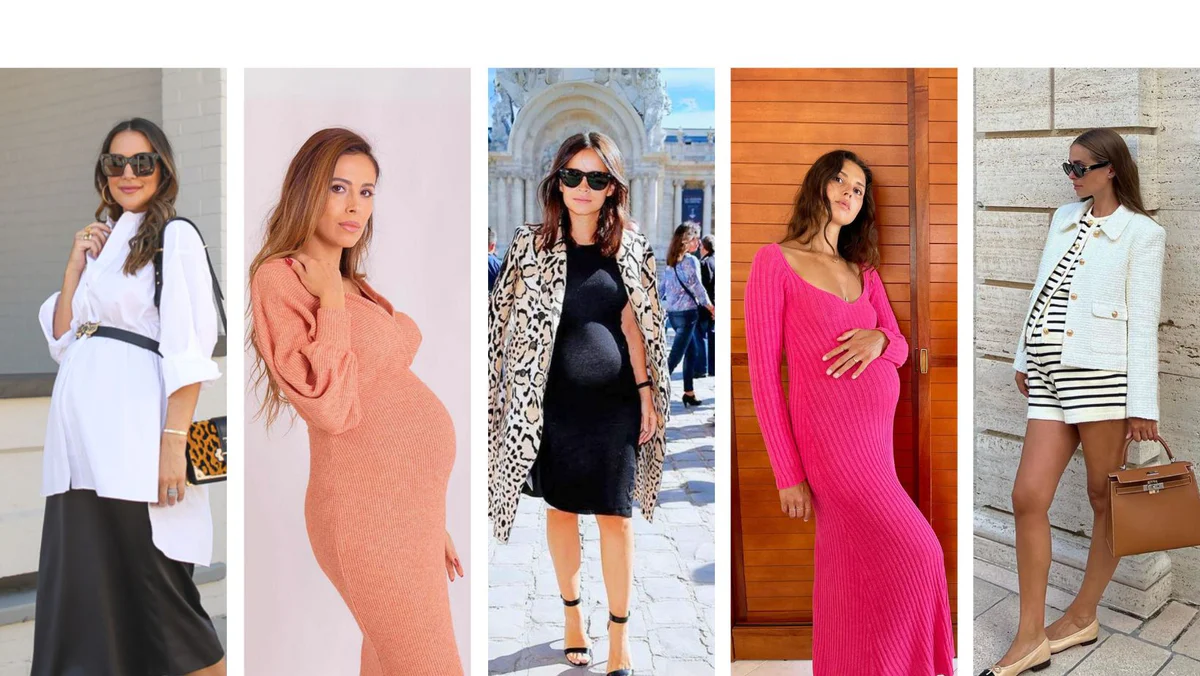
Nobody tells you this before pregnancy, but the moment the weather shifts and you reach for your favorite sweater — the one you’ve worn every October for five years — and it won’t close over your bump, something clicks. You realize dressing for fall is about to become a whole new problem to solve.
Fall is actually one of the better seasons to be pregnant in. Layers work with a growing body. Boots handle swollen ankles better than sandals. Cozy fabrics feel genuinely good when you’re running warmer than usual. The challenge isn’t the season itself — it’s figuring out what actually fits, what’s worth buying, and what’s just going to frustrate you three weeks from now when your body changes again.
This guide cuts through the noise and covers what maternity fashion fall actually looks like in practice: what pieces work, what doesn’t, and how to build a wardrobe that carries you through the season without breaking the bank or your sanity.
Quick Answer
Maternity fashion fall focuses on layering, stretchy fabrics, and bump-friendly silhouettes that keep pace with a changing body through September, October, and November. Key pieces include ruched jersey dresses, oversized knit cardigans, maternity-specific leggings, and adjustable-waist pants. The goal is comfort that doesn’t sacrifice warmth or style — and pieces that actually work across all three trimesters rather than just one.
What Is Maternity Fashion Fall?
At its core, it’s exactly what it sounds like: dressing for autumn while pregnant. But the reason it deserves its own conversation is that pregnancy changes the rules in ways that aren’t obvious until you’re in it.
Your center of gravity shifts. Your ribcage expands, not just your belly. Your feet may swell by the end of the day. You run warmer than you did before, which means a coat that was perfect last November might feel suffocating this year. Fabrics that were fine before can suddenly feel scratchy or restrictive.
Maternity fashion as a category exists to account for all of this — clothes designed with extra room in the right places, belly panels that expand with you, cuts that flatter a bump rather than hide it or accidentally make you look shapeless.
Fall specifically adds the layering dimension. You need pieces that work individually and together, that can go from a mild September afternoon to a genuinely cold November evening without requiring an entirely different wardrobe. That’s actually where maternity dressing shines, because the layering approach that works best for fall also works beautifully for accommodating a growing bump.
How It Works: The Practical Logic Behind Fall Maternity Dressing
The foundation of any workable fall maternity wardrobe is stretch and structure together. Stretch lets the fabric move with your body. Structure keeps the outfit from looking like you’ve given up.
Ruching — the gathered fabric detailing you see on the sides of maternity dresses and tops — does both. It accommodates growth because the fabric has room to extend, and it creates shape because the gathering pulls the silhouette inward. It’s why ruched jersey dresses are almost universally recommended for pregnancy; they work in the first trimester when you barely look pregnant and in the third when you’re enormous.
Layering adds warmth and visual interest without requiring every piece to do all the work. A simple fitted maternity tank under an open-front cardigan is more versatile than either piece alone. The cardigan doesn’t need to button; the tank handles coverage; the layer adds warmth.
Adjustable waistbands — either elastic, drawstring, or the fold-over panel common in maternity leggings — let the same pair of pants work across multiple months. This matters because buying new pants every four weeks is neither practical nor affordable.
The best fall maternity wardrobes usually have:
- 2–3 bottoms (leggings, one pair of maternity jeans, one adjustable-waist trouser)
- 3–4 tops that can be layered
- 1–2 dresses that work alone or with tights and a cardigan
- A coat or jacket that closes over the bump (or is deliberately oversized)
- Boots or low-heeled ankle boots for footwear
That’s genuinely it. The instinct to over-buy is strong but usually regretted, because the window you’re dressing for is finite.
Main Features of a Fall Maternity Wardrobe
Fabrics That Actually Work
Jersey knit is the workhorse of maternity dressing. It stretches, it breathes, it drapes well, and it’s washable. Most maternity-specific clothing is made from it for good reason.
Ponte fabric (a thicker knit) holds its shape better than jersey and works well for dresses and trousers that need a little more structure. It’s also reasonably warm, which helps in fall.
Cotton-spandex blends in leggings and casual tops give the stretch without the synthetic feel.
Chunky knits and sweaters in merino or cotton blends work beautifully for layering, but pay attention to sizing. A regular oversized sweater can work early in pregnancy; by the third trimester, you may need something cut specifically for a bump or sized up significantly.
Avoid: anything that doesn’t have stretch built in at the belly. Woven fabrics without elastic panels can work in early pregnancy but become uncomfortable and impractical as you grow.
Silhouettes That Flatter a Bump
- Empire waist (gathered just below the bust) flows over the bump without emphasizing it — elegant and comfortable
- Wrap style adjusts to your size naturally and can be cinched higher or lower depending on where you are in pregnancy
- A-line dresses skim the body without clinging — good if you’re not interested in highlighting the bump
- Fitted jersey dresses with ruching — do the opposite, embracing the bump as the focal point
The Coat Problem
This is genuinely one of the trickier parts of fall maternity dressing. Most coats don’t accommodate a third-trimester bump, and maternity-specific coats (designed to fasten over a bump or panel in for a baby carrier after birth) can be expensive.
Practical solutions that actually work:
- A wool or knit wrap coat that ties rather than buttons — these close without a fixed button line and work across the entire pregnancy
- An oversized men’s coat or a deliberately large regular coat that works as a slouchy layering piece
- A maternity vest (puffer style) worn over a long cardigan — not a “coat” exactly, but surprisingly effective in mild fall weather
- Investing in one proper maternity coat if you live somewhere with genuinely cold winters
Pros and Cons
What works well:
- Fall is forgiving for bump dressing. Layers, cozy textures, and longer hemlines all suit maternity dressing naturally.
- You can use regular pieces more than you think. Oversized sweaters, open-front cardigans, and stretchy leggings from your pre-pregnancy wardrobe may carry you further than expected.
- Maternity-specific pieces have genuinely improved. The days of shapeless, pastel tent dresses are over. There are real style options now across every price point.
- Dresses are often easier than separates. One piece, no waistband friction, works with tights and boots for warmth — dresses simplify the whole exercise.
What to watch out for:
- Sizing is inconsistent across brands. Maternity sizing is notoriously variable; what’s a medium at one brand is a large at another. Reading reviews with specific measurements is more useful than trusting the size chart alone.
- You’ll outgrow things faster than expected. The middle of the third trimester is when “I thought I had one more month in these jeans” becomes a common refrain.
- Maternity-specific pieces have a limited use window. Unlike regular clothes, most maternity clothing gets worn for a few months and then sits in a box. This affects the cost-per-wear math significantly.
- Postpartum overlap is real but not guaranteed. Some maternity pieces work well in the early postpartum weeks; others don’t. Don’t buy expecting everything to carry over.
Real-World Scenarios
The office pregnancy in fall: Maternity ponte trousers with a ruched jersey top and a structured blazer (worn open) cover most professional environments. Add ankle boots and you’re genuinely put together. The blazer doesn’t need to be maternity-specific; open-front styles work across all of pregnancy.
Casual everyday dressing: Maternity leggings are probably the single most-used item in most pregnant women’s fall wardrobes. Paired with a long tunic top, a flannel shirt worn open over a fitted tee, or a chunky cardigan, they handle everything from grocery runs to casual dinners without requiring much thought.
A fall baby shower or event: Empire waist dresses in velvet, lace, or heavier jersey fabrics photograph beautifully and feel appropriately dressed-up. Pair with low heels or dressy flats (your feet will thank you) and a statement necklace.
The third trimester in November: This is where things get genuinely challenging. The bump is at maximum size, the weather is at its coldest, and comfort becomes non-negotiable. Long maternity cardigans worn as dresses over leggings, oversized turtleneck sweaters with maternity leggings, and wrap dresses with thermal tights are the practical answers here.
Safety and Comfort Considerations
This section matters more than it might seem. Some fashion choices during pregnancy have real physical implications.
Waistband pressure: Anything with a tight, fixed waistband that sits on the belly can become genuinely uncomfortable and, in some cases, cause pressure on the uterus. Maternity panels and fold-over waistbands exist specifically to avoid this. Mid-pregnancy and beyond, avoid anything that creates a hard line of pressure across the bump.
Circulation in the legs: Tight knee-high socks or boots that grip the calf can worsen leg swelling and circulation issues that are already common in pregnancy. Opt for footwear with some give, or compression socks specifically designed for pregnancy if leg swelling is a concern.
Heel height: Low heels are generally fine throughout most pregnancies, but as your center of gravity shifts in the second and third trimesters, high heels become a balance issue. Most practitioners suggest keeping heels low (under two inches) from the second trimester onward — or just switching to comfortable flats and not fighting it.
Fabric against skin: Synthetic fabrics against sensitive pregnancy skin can cause irritation. If you’re finding that fabrics you used to wear fine are now itchy or uncomfortable, it’s not unusual — skin sensitivity increases during pregnancy. Natural fiber layers against the skin help.
Common Problems and Limitations
Buying too early: Purchasing a full maternity wardrobe at 10 weeks, before your body has changed significantly, means buying without knowing how your specific bump will sit, how wide your hips will get, or how much your chest will change. Staggering purchases makes more sense.
Relying on “bump it” tricks too long: Hairband through a button loop, belly bands over regular jeans — these work for a while but have a definite expiration date. Knowing when to actually buy maternity bottoms saves weeks of frustration.
Underestimating the postpartum body: Many women expect to immediately return to pre-pregnancy clothes after birth. In reality, the postpartum body continues to change for weeks or months. Having a small selection of comfortable, loose pieces for the fourth trimester is worth planning for.
How Maternity Fall Dressing Compares to Regular Fall Dressing
The honest answer is that they share about 60% of the same logic. Layering, fabric weight, and color palettes don’t change because you’re pregnant. What changes is the need for accommodation at the belly, the avoidance of restrictive waistbands, and the recognition that your body is a moving target in a way that a non-pregnant body isn’t.
Regular oversized fall pieces — chunky knits, open cardigans, wrap coats — can do a lot of the work. The pieces that specifically require maternity versions are: pants and jeans (waistbands), fitted dresses (the belly area), and anything structured across the torso. Everything else is largely interchangeable.
The biggest difference is psychological. Non-pregnant fall dressing is about style first, comfort second. Maternity fall dressing reverses that hierarchy out of necessity — and often produces better results because it forces you to focus on what actually works.
Practical Opinion: What’s Worth Buying vs. What Isn’t
Worth buying in maternity-specific versions:
- At least one pair of maternity jeans (the belly panel genuinely makes a difference)
- Maternity leggings (the fold-over panel sits better than a regular waistband on a bump)
- One or two ruched jersey dresses if you like dresses
Where regular sizing (sized up) often works fine:
- Cardigans, open-front knits, wrap sweaters
- Oversized turtlenecks and chunky sweaters
- Wrap dresses in stretchy fabric
- Coats (a size or two up from your regular size, or a wrap style)
Where to save money:
- Secondhand maternity clothing is abundant and barely worn — the use window is so short that most pieces are in good condition when they’re resold. Facebook Marketplace, ThredUp, and local consignment shops are worth checking before buying new.
Final Verdict
Maternity fashion fall is genuinely more manageable than most people expect going into it — and more interesting than the limited options of a decade ago. The key is resisting the urge to buy everything at once, investing in the pieces where maternity-specific design actually matters (waistbands, fitted dresses), and leaning into the layering logic that fall already provides.
The season works in your favor. Cozy textures feel appropriate and comfortable. Boots handle practical realities better than summer footwear. And there’s something genuinely pleasant about dressing for fall while pregnant — the whole season has a warmth and nesting quality that suits the experience.
Buy less than you think you need. Prioritize stretch and comfort without sacrificing structure. And don’t underestimate what’s already in your closet.
Learn everything about maternity fashion fall
FAQs
Q: What should I wear in the first trimester during fall?
A: Most women can wear regular clothing for most of the first trimester. Stretchy fabrics, empire waist tops, and loose knits will carry you further without needing actual maternity pieces. A belly band can extend the life of your regular pants once the waistband becomes uncomfortable.
Q: Is it worth buying a maternity coat for fall?
A: It depends on your climate and how late in pregnancy you’ll be during the coldest months. If you’re hitting your third trimester in November or December and live somewhere cold, a maternity coat or a large wrap coat is worth having. In milder climates, a sized-up regular coat or a wrap style often handles it.
Q: Can I wear regular leggings during pregnancy?
A: Early in pregnancy, yes. As the bump grows, the waistband of regular leggings can become uncomfortable and roll down. Maternity leggings with a fold-over panel or full belly panel stay in place and feel significantly better from mid-pregnancy onward.
Q: What boots work best during pregnancy?
A: Ankle boots with a low block heel or flat ankle boots are the most practical. They’re easy to put on (important when bending becomes more difficult), provide ankle support, and work with most fall outfits. Avoid knee-high boots that grip tightly around the calf if you’re experiencing leg swelling.
Q: How many maternity pieces do I actually need for fall?
A: More minimally than you’d expect. A core fall maternity wardrobe of 2–3 bottoms, 3–4 tops, 1–2 dresses, and a coat covers most situations. Supplementing with regular oversized pieces and layering keeps the investment reasonable.
Q: When should I start buying fall maternity clothes?
A: Most women need maternity bottoms by weeks 14–18, sometimes earlier. Starting with one or two key pieces and adding as needed is more practical than buying a complete wardrobe early. By the third trimester you’ll have a much clearer sense of what actually fits and what you actually wear.
Q: Are there sustainable or secondhand options for maternity fall clothing?
A: Yes, and they’re worth seeking out. Because maternity clothing gets worn for such a short time, secondhand pieces are often in excellent condition. ThredUp, Poshmark, local consignment shops, and maternity-specific Facebook groups are all good sources. Renting is also an option for specific occasion pieces.
