

I redid my kitchen faucet last year and almost went with the same brushed nickel everyone else on my street seems to have. Then I stood in the hardware aisle for way too long, picked up a brass fitting instead, and honestly haven’t stopped noticing it every single morning since. There’s something about the warmth of it against white tile that photos online just don’t capture properly.
Quick Answer
Brass fittings are connector and hardware components made from an alloy of copper and zinc, commonly used in plumbing, cabinetry, lighting, and decorative interior fixtures. They’re valued for their durability, corrosion resistance, and warm golden finish that has made a strong comeback in interior design after years of being overshadowed by chrome and stainless steel. They work well for anyone renovating a kitchen, bathroom, or living space who wants hardware that ages gracefully rather than looking dated within a few years.
What Brass Fittings Actually Are
Brass is an alloy — a mix of copper and zinc — and depending on the ratio, it can range from a pale, almost gold tone to a deeper, more reddish hue. Fittings made from this material show up everywhere in a home, though most people only really notice them once they start paying attention: faucet connectors, cabinet handles, door hinges, light fixture components, and plumbing joints are all common applications.
What sets brass apart from a lot of other metals used in interiors is that it doesn’t just look good when it’s new — it develops a patina over time that many people actually prefer. Unlacquered brass fittings will darken and shift in tone with handling and age, which is either a selling point or a dealbreaker depending on whether someone wants that lived-in look or a consistently polished finish.
How Brass Fittings Work In Practice
In plumbing specifically, brass fittings are used to connect pipes, valves, and fixtures because the material resists corrosion far better than plain steel and handles both hot and cold water without degrading quickly. The zinc content gives it strength, while the copper base provides natural resistance to bacterial growth, which is part of why brass has been a standard in plumbing for well over a century.
In interior design and cabinetry, the “how it works” question is more about installation and finish than function. Fittings typically come pre-finished — lacquered brass keeps its bright shine without tarnishing, while unlacquered or “living finish” brass is left raw so it can age naturally over years of use. Installation itself is usually straightforward, using standard screws, threading, or soldering depending on whether the fitting is decorative or load-bearing.
Main Features Worth Knowing
- Corrosion resistance — performs reliably in humid bathrooms and kitchens without rusting the way plain steel can
- Durability — brass fittings often outlast cheaper zinc alloy or plastic alternatives by decades
- Warm, versatile finish — pairs well with both traditional and modern interior styles, unlike some trend-specific finishes
- Antimicrobial properties — the copper content naturally inhibits bacterial growth, which is genuinely useful in kitchen and bathroom fixtures
- Patina development — unlacquered versions age uniquely over time, giving each piece a slightly different character
Pros And Cons
Pros:
- Long lifespan compared to many budget metal alternatives
- Timeless aesthetic that hasn’t gone out of style the way some trend-driven finishes have
- Naturally resistant to rust and most forms of corrosion
- Works across multiple applications — plumbing, furniture, lighting, and decorative hardware alike
Cons:
- Generally more expensive upfront than chrome, stainless steel, or plastic fittings
- Unlacquered brass requires more maintenance if a consistently polished look is desired
- Can be mismatched easily if paired with the wrong finish elsewhere in a room
- Softer than some metals, meaning it can scratch more easily under heavy daily use
Real-World Examples And Use Cases
A kitchen renovation is probably the most common place people first encounter this decision. Swapping a chrome faucet for a brass one, along with matching cabinet pulls, tends to instantly warm up a space that otherwise feels clinical — something a lot of interior designers have leaned into heavily over the past several years after a long stretch of cooler-toned hardware dominating the market.
In older homes, brass plumbing fittings are also frequently found behind the walls, not just on visible fixtures, since older construction commonly relied on brass for its durability long before modern alternatives became widespread. Anyone doing a renovation on a pre-1980s home should expect to encounter brass pipe fittings at some point, and it’s worth knowing they generally don’t need replacing just because they look tarnished.
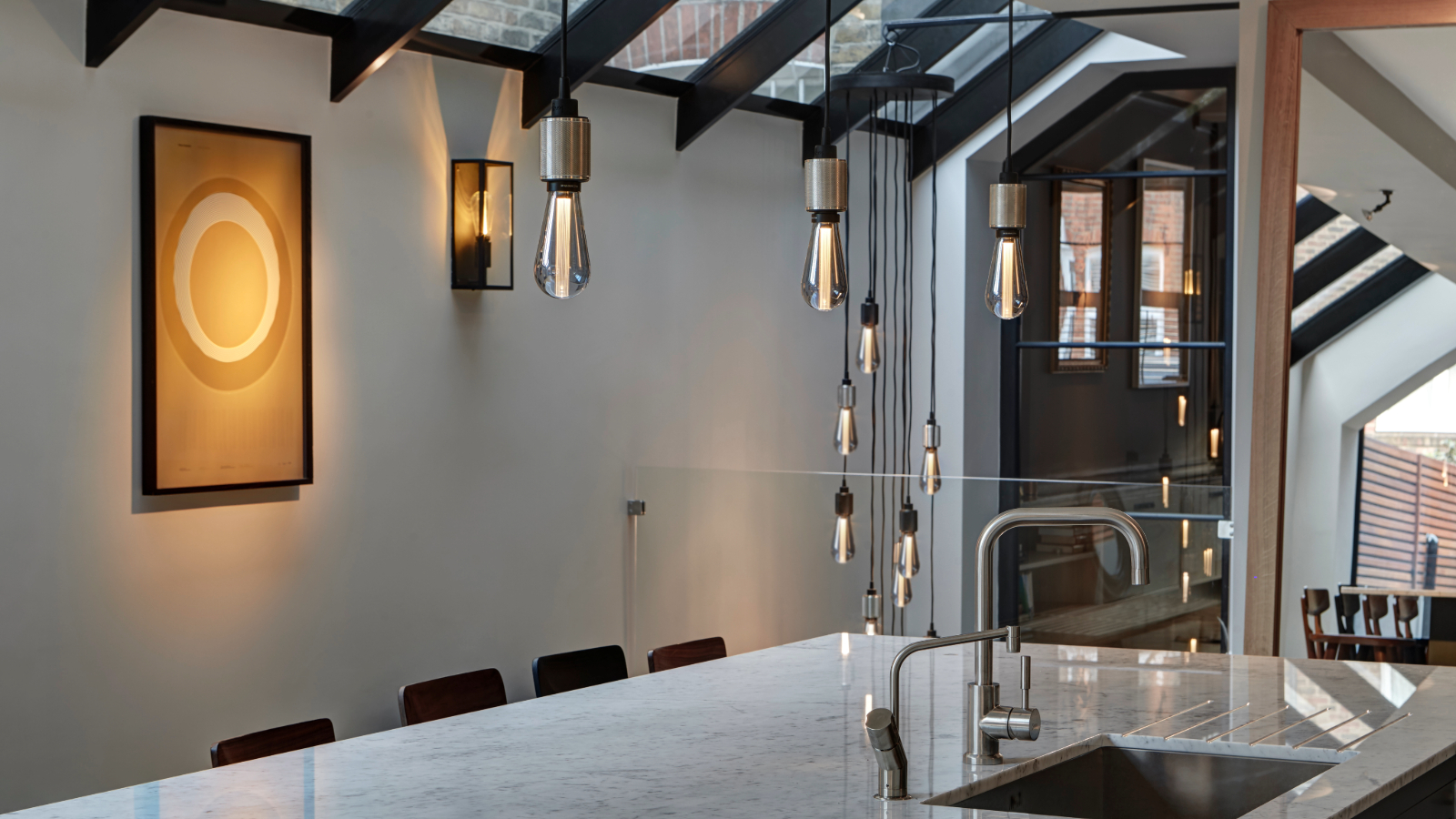
On the decorative side, lighting fixtures — pendant lights, sconces, and lamp bases — frequently use brass fittings as a design statement rather than a purely functional choice, since the material catches and reflects light in a way that feels noticeably warmer than cooler metals.
Safety, Legitimacy, And Practical Concerns
Brass fittings are a well-established, widely used material with no inherent safety controversy — this isn’t a product with murky legitimacy questions the way some newer trends can be. That said, a few practical points are genuinely worth knowing:
- Lead content in older brass can be a concern in plumbing fittings manufactured before modern regulations tightened lead limits. Homes with older brass plumbing may want a water test if there’s any uncertainty about fitting age.
- Modern “lead-free” brass fittings are now standard for new plumbing installations in most regions, meeting updated safety codes.
- Quality varies by manufacturer — genuine solid brass differs significantly from brass-plated alternatives, which can look identical on a shelf but perform very differently over time.
- Reputable suppliers will clearly label whether a fitting is solid brass, brass-plated, or a brass-finished alternative metal — worth checking before purchasing, especially online where finishes can be hard to judge from photos alone.
Common Problems And Limitations
The most common complaint isn’t really about the material itself but about mismatched expectations. Someone expecting a permanently shiny, mirror-like finish can be caught off guard when unlacquered brass starts to darken within months of regular use — that’s not a defect, it’s simply how the material behaves.
Cost is another real limitation. Solid brass fittings typically cost more than chrome or plastic equivalents, which can add up quickly across a full kitchen or bathroom renovation involving multiple fixtures.
There’s also a coordination challenge — mixing brass with too many other metal finishes in the same room can look chaotic rather than intentional if it’s not planned carefully.
Comparison With Alternatives
Compared to chrome, brass offers more warmth and a more traditional aesthetic, though chrome tends to be easier to maintain if a consistently shiny look is the goal. Compared to stainless steel, brass generally costs more but offers a softer, more decorative appearance that suits period homes and warmer interior palettes particularly well. Compared to plastic or lower-grade zinc alloy fittings, brass wins clearly on longevity, even though the upfront cost is higher.
An Honest, Practical Opinion
Having gone through a renovation decision on this exact topic, my take is that brass fittings are worth the investment if the goal is longevity and a look that doesn’t feel tied to a passing trend. The finish genuinely does age well if you choose unlacquered brass and accept the natural patina rather than fighting it with constant polishing. Where I’d caution people is on mixing finishes carelessly — a house with brass in one room and five other competing metal tones elsewhere tends to feel unplanned rather than eclectic.
It’s also worth being realistic that brass isn’t the right choice for every household. High-traffic areas with kids or heavy daily wear might show scratches and fingerprints more visibly on brass than on a more forgiving brushed finish, so it’s worth weighing lifestyle alongside aesthetics before committing.
Final Verdict
Brass fittings are a legitimate, well-established choice for interiors, offering durability, corrosion resistance, and a warm aesthetic that has proven far more timeless than many competing finishes. They’re best suited for homeowners renovating kitchens, bathrooms, or lighting who want hardware that ages with character rather than needing replacement every few years. The main trade-offs are higher upfront cost and the need to accept — or actively maintain against — natural tarnishing over time.
Get the real story behind brass fittings
FAQs
Q: Are brass fittings better than chrome for a kitchen?
A: It depends on the desired look. Brass offers more warmth and character, while chrome is easier to keep consistently shiny with less maintenance.
Q: Do brass fittings tarnish over time?
A: Unlacquered brass will develop a natural patina and darken with use, while lacquered brass fittings resist tarnishing and keep a consistent shine.
Q: Is brass safe for plumbing and drinking water?
A: Modern brass fittings manufactured to current standards are lead-free and safe for plumbing use. Older homes with pre-regulation brass fittings may want a water quality check.
Q: How do I tell if a fitting is solid brass or just brass-plated?
A: Solid brass typically feels heavier and is labeled clearly by reputable suppliers. Brass-plated alternatives are usually lighter and may show a different metal underneath if scratched.
Q: Can brass fittings be mixed with other metal finishes in the same room?
A: Yes, when done intentionally — pairing brass with black or matte finishes is common — but mixing too many competing tones without a plan can make a space feel disorganized.
