

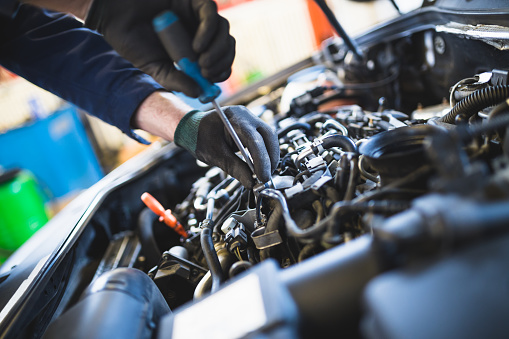
Picture this: you’re heading to work on a busy Monday morning, coffee in hand, mentally preparing for the day ahead. You start your car, and suddenly a warning light flashes across the dashboard. The engine sounds different. Maybe the brakes feel softer than usual. At that moment, having access to a trusted local mechanic becomes more than a convenience—it becomes essential.
Vehicle ownership comes with responsibilities, and regular maintenance is one of the biggest. While many drivers delay repairs or attempt DIY fixes, experienced automotive professionals often save drivers time, money, and unnecessary stress.
For residents and commuters in Southern California, dependable repair services can make all the difference. This is why local service providers continue to play such an important role in keeping vehicles safe, efficient, and roadworthy.
Quick Answer
Q: What are Anaheim Auto Repair Shops?
A: Anaheim Auto Repair Shops are local automotive service businesses that diagnose, maintain, and repair vehicles. They offer services ranging from oil changes and brake repairs to engine diagnostics and transmission work.
Q: Are local auto repair shops worth using?
A: Yes. Reputable local repair centers provide professional expertise, preventive maintenance, and personalized service that can extend vehicle lifespan while improving safety and performance.
What Are Anaheim Auto Repair Shops?
Anaheim Auto Repair Shops are independently owned garages, franchise service centers, and specialized automotive facilities located in and around Anaheim. These businesses help vehicle owners maintain, diagnose, and repair their cars, trucks, SUVs, and hybrid vehicles.
Services commonly offered include:
- Oil changes
- Tire rotation
- Brake repair
- Battery replacement
- Engine diagnostics
- Suspension repair
- Transmission service
- Air conditioning repair
- Wheel alignment
- Smog inspections
Most shops employ certified automotive technicians trained to work on various makes and models, including domestic, European, and Asian vehicles.
For many drivers, these businesses become long-term partners in vehicle ownership.
How Local Auto Repair Services Work
The repair process is usually straightforward.
Step 1: Schedule an Appointment
Customers contact a repair facility online, by phone, or in person.
Some businesses also accept walk-ins for urgent issues.
Step 2: Vehicle Inspection
Technicians inspect the vehicle to identify visible and hidden problems.
Modern shops frequently use advanced diagnostic scanners that communicate directly with onboard vehicle computers.
Step 3: Diagnosis and Estimate
After inspection, the customer receives:
- Diagnostic findings
- Recommended repairs
- Cost estimates
- Expected completion timelines
Reputable businesses explain repairs clearly before beginning work.
Step 4: Repair and Testing
Technicians complete the required repairs and perform quality checks.
Many facilities also conduct road tests to confirm proper operation.
Step 5: Vehicle Pickup
Customers review completed work, settle invoices, and receive maintenance recommendations.
Simple in theory, yes. But the quality of communication can vary significantly from one shop to another.
Main Features of Professional Auto Repair Centers
1. Certified Technicians
Many reputable facilities employ technicians certified by organizations such as ASE (Automotive Service Excellence).
Certification indicates ongoing training and technical knowledge.
2. Computerized Diagnostics
Modern vehicles contain numerous sensors and computer modules.
Professional shops use advanced diagnostic tools capable of identifying:
- Engine faults
- Electrical issues
- Emissions problems
- Transmission errors
Without specialized equipment, diagnosing modern vehicles can be extremely difficult.
3. Preventive Maintenance Programs
Routine maintenance services often include:
- Oil and filter changes
- Fluid inspections
- Tire balancing
- Brake inspections
Preventive care frequently prevents expensive future repairs.
4. Warranty Coverage
Many established businesses provide warranties on labor and replacement parts.
Warranty protection increases consumer confidence.
5. Specialized Repair Expertise
Certain facilities specialize in:
- European luxury vehicles
- Hybrid and electric vehicles
- Transmission repair
- Diesel engines
- Fleet maintenance
Specialization can improve repair accuracy.
Benefits of Using Local Repair Facilities
There are practical advantages to choosing nearby service providers.
Personalized Customer Service
Local businesses often develop long-term relationships with customers.
A mechanic familiar with a vehicle’s service history may diagnose problems faster.
I’ve personally noticed that independent mechanics tend to explain issues in simpler language than large dealerships. Not always, of course, but often enough to make a difference.
Faster Service
Nearby repair centers frequently offer quicker scheduling compared to dealerships.
Routine maintenance can sometimes be completed the same day.
Cost Savings
Independent repair facilities often charge lower labor rates than manufacturer dealerships.
Potential savings may include:
- Lower hourly rates
- Competitive parts pricing
- Flexible repair options
Community Trust
Many local businesses rely heavily on customer referrals and online reviews.
Strong reputations usually encourage higher service standards.
Convenience
Benefits include:
- Shorter travel distances
- Easier drop-off arrangements
- Local shuttle services
- Familiar staff
Convenience matters more than people realize until an unexpected breakdown occurs.
Pros and Cons
Pros
- Personalized customer relationships.
- Competitive pricing.
- Faster appointment availability.
- Convenient locations.
- Broad range of repair services.
- Preventive maintenance support.
- Potential long-term cost savings.
Cons
- Service quality varies between businesses.
- Some shops may lack specialized equipment.
- Wait times increase during busy seasons.
- Pricing transparency differs among providers.
- Not every technician specializes in all vehicle brands.
Real-World Examples and Use Cases
Routine Maintenance
A driver commuting daily between Anaheim and nearby employment centers may require:
- Frequent oil changes
- Tire rotation
- Brake inspections
Routine maintenance significantly reduces unexpected breakdowns.
Pre-Purchase Inspections
Buying a used vehicle can feel risky.
Many consumers schedule professional inspections before finalizing purchases.
Technicians assess:
- Engine condition
- Suspension wear
- Accident damage
- Fluid leaks
This relatively small investment can prevent expensive surprises.
Emergency Repairs
Unexpected failures happen.
Examples include:
- Dead batteries
- Overheating engines
- Brake failures
- Alternator problems
Local facilities often provide faster assistance during emergencies.
Fleet Maintenance
Small businesses operating delivery vans or service vehicles rely heavily on ongoing maintenance.
Regular servicing minimizes downtime and protects revenue.
Safety, Trust, and Legitimacy Analysis
One common question drivers ask is whether local repair businesses can be trusted.
The answer depends on the individual business.
Legitimate service providers generally demonstrate several characteristics:
Transparent Pricing
Reliable facilities explain:
- Labor charges
- Parts costs
- Diagnostic fees
Written estimates are standard practice.
Positive Customer Reviews
Customer feedback can reveal patterns regarding:
- Honesty
- Communication
- Work quality
- Timeliness
Consistent positive reviews often indicate reliability.
Certifications and Licensing
Look for:
- ASE certifications
- State licenses
- Manufacturer training
- Industry memberships
Credentials improve credibility.
Detailed Invoices
Professional shops document:
- Completed repairs
- Installed parts
- Labor performed
- Warranty information
Detailed paperwork protects both parties.
Common Problems and Limitations
Even excellent repair facilities have limitations.
Miscommunication
Technical terminology occasionally confuses customers.
Drivers should ask questions whenever recommendations seem unclear.
Parts Delays
Supply chain shortages can delay repairs.
Imported or specialty components sometimes require additional shipping time.
Diagnostic Challenges
Intermittent problems can be difficult to reproduce.
A vehicle may malfunction one day and operate normally the next.
These situations frustrate technicians and customers alike.
Cost Concerns
Unexpected repairs can become expensive.
Major services such as:
- Transmission replacement
- Engine rebuilds
- Suspension overhauls
often involve significant costs.
Comparison With Dealership Service Centers
| Feature | Local Repair Shop | Dealership Service Center |
| Labor Rates | Usually lower | Often higher |
| Personal Attention | High | Moderate |
| Brand Expertise | Varies | Strong |
| Scheduling Speed | Often faster | Sometimes slower |
| Warranty Work | Limited | Manufacturer supported |
| Vehicle Types | Broad range | Brand specific |
Dealerships remain valuable for recall work and warranty repairs.
Independent businesses frequently excel in affordability and customer relationships.
Expert-Style Practical Opinion
From an ownership perspective, routine maintenance should never be viewed as optional.
Skipping oil changes or delaying brake repairs may seem harmless initially, but neglected maintenance almost always leads to larger expenses later.
Trusted local mechanics provide something many online tutorials cannot: experience.
YouTube videos are useful. DIY maintenance certainly has its place. Yet modern vehicles contain sophisticated electronics, sensors, and software systems that often require professional diagnostics.
Drivers who establish relationships with reputable local service providers usually experience fewer unexpected problems over the long term.
Consistency matters.
Final Verdict
Anaheim Auto Repair Shops remain highly valuable for vehicle owners seeking reliable maintenance, professional diagnostics, and long-term automotive care.
Their greatest strengths include:
- Personalized service
- Community accountability
- Competitive pricing
- Convenience
- Preventive maintenance expertise
Choosing the right provider requires research, but a trustworthy repair facility can extend vehicle lifespan, improve safety, and reduce ownership stress.
For most drivers, developing an ongoing relationship with a reputable local mechanic is a smart investment.
Read our complete Anaheim Auto Repair guide.
FAQs
Q: How often should I service my vehicle?
A: Most manufacturers recommend maintenance every 5,000 to 10,000 miles, although requirements vary by vehicle and driving conditions.
Q: Are independent repair shops cheaper than dealerships?
A: In many cases, yes. Independent facilities often charge lower labor rates while providing comparable repair quality.
Q: How can I find a trustworthy mechanic?
A: Check customer reviews, certifications, warranties, and ask for written estimates before approving repairs.
Q: Should I visit a dealership for every repair?
A: Not necessarily. Dealerships are useful for warranty work and recalls, while independent facilities often provide cost-effective routine maintenance.
Q: Can local mechanics service hybrid vehicles?
A: Many modern repair facilities now service hybrid and electric vehicles, although specialization varies.
Q: What questions should I ask before authorizing repairs?
A: Ask about diagnostic findings, estimated costs, warranty coverage, expected completion times, and whether replacement parts are new or remanufactured.
