

Have you ever noticed how some careers ask for both courage and technical skill? Fire service is one of them. Most people think firefighters only respond to emergencies, but there’s a lot happening behind the scenes—training, safety planning, equipment management, rescue techniques, and continuous learning.
That’s where avhsd fire technology comes into the picture. For students interested in public safety or emergency response, it offers a structured way to learn the knowledge and hands-on skills needed before stepping into the field. And honestly, that early preparation can make a huge difference when real lives are involved.
What Is AVHSD Fire Technology?
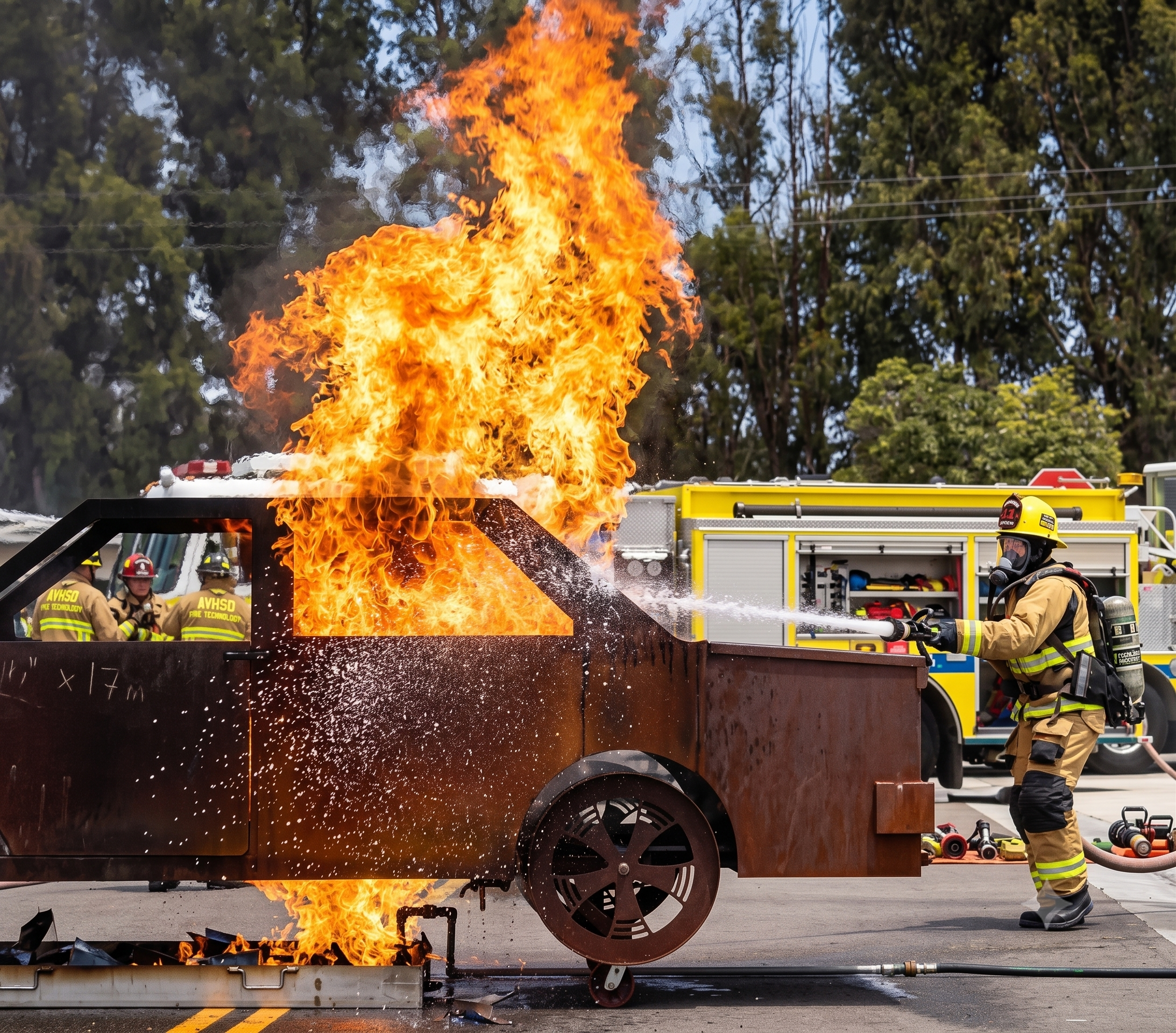
The avhsd fire technology program is designed to introduce students to the foundations of modern firefighting and emergency services. Instead of focusing only on physical fitness, it combines classroom instruction with practical training to help learners understand how fire departments operate.
Students typically explore topics such as:
- Fire behavior and prevention
- Emergency medical response basics
- Rescue techniques
- Firefighter safety procedures
- Equipment operation and maintenance
- Hazardous materials awareness
- Team communication during emergencies
The goal isn’t just to teach someone how to fight fires. It’s about developing responsible professionals who can make smart decisions under pressure.
Why Fire Technology Education Matters
Firefighters rarely face the same situation twice. One day could involve a residential fire, while the next might require a vehicle rescue or assistance during a natural disaster.
Formal education helps prepare students for those unpredictable moments by teaching them how to think, not simply react.
Some key benefits include:
- Better understanding of emergency response procedures
- Stronger focus on personal and public safety
- Experience with professional firefighting equipment
- Improved teamwork and leadership skills
- Greater confidence before entering career training programs
Those lessons often become valuable long before someone joins a fire department.
Core Subjects Students Usually Learn
Every training program has its own structure, but most fire technology courses cover similar fundamentals.
Fire Science Fundamentals
Students begin by learning how fires start, spread, and behave under different conditions. This knowledge helps firefighters choose the safest and most effective response strategy.
Fire Prevention and Inspection
Preventing emergencies is just as important as responding to them. Learners study building safety, fire codes, inspection methods, and ways to identify potential hazards before accidents happen.
Emergency Medical Basics
Many firefighters are also first responders for medical emergencies. Basic patient care, CPR, and emergency assessment are commonly introduced during training.
Rescue Operations
Rescue training often includes vehicle extrication, search techniques, victim removal, and working safely in difficult environments.
Hazardous Materials Awareness
Not every emergency involves flames. Chemical spills, gas leaks, and hazardous substances require specialized knowledge to protect both responders and nearby communities.
Skills That Go Beyond the Classroom
One thing many students don’t expect is how much personal growth happens during fire technology training.
Communication becomes stronger because emergencies demand clear instructions.
Discipline improves because every procedure has a purpose.
Confidence builds naturally through repeated practice and realistic training scenarios.
And perhaps most importantly, students learn how to remain calm when others are panicking—a skill that’s valuable almost anywhere in life.
Who Should Consider Fire Technology?
This field isn’t only for people who dream of becoming firefighters.
It can also benefit individuals interested in careers such as:
- Fire inspector
- Fire investigator
- Emergency management specialist
- Industrial safety officer
- Emergency medical responder
- Public safety educator
Even students who eventually choose a different path often gain useful leadership, teamwork, and problem-solving skills.
Career Opportunities After Training
The demand for trained emergency personnel continues as communities grow and safety standards evolve.
Graduates may continue their education, pursue firefighter academy programs, or explore specialized areas within public safety.
Potential career paths include:
| Career | Primary Responsibility |
| Firefighter | Responding to fires, rescues, and emergencies |
| Fire Inspector | Evaluating buildings for fire safety compliance |
| Fire Investigator | Determining the causes of fires |
| Emergency Medical Technician (EMT) | Providing emergency medical care |
| Safety Officer | Managing workplace safety programs |
Career requirements vary depending on local agencies, certifications, and educational pathways.
What Makes Fire Technology Worth Studying?
One thing stands out about this field—it combines purpose with practical knowledge.
People often enter the fire service because they want meaningful work. Helping someone during one of the worst moments of their life isn’t something many professions experience regularly.
Training also teaches responsibility. Small mistakes in emergency situations can have serious consequences, so attention to detail becomes second nature.
That mindset stays with many graduates throughout their careers.
Things to Expect During Training
Students are usually surprised by how balanced the learning experience is.
You’ll likely spend time:
- Studying fire science concepts
- Practicing emergency response skills
- Learning safety regulations
- Participating in physical exercises
- Working with classmates during simulated emergencies
Some days are physically demanding. Others involve detailed classroom discussions. Together, they create a well-rounded learning environment.
Final Thoughts
Choosing a career connected to emergency services isn’t a decision most people make overnight. It takes commitment, patience, and a genuine desire to help others.
For students exploring this path, avhsd fire technology offers a practical starting point. It introduces the technical knowledge, safety awareness, and real-world skills needed to build confidence before entering professional training.
Not everyone will become a firefighter, and that’s perfectly okay. But the lessons learned through fire technology—discipline, teamwork, preparedness, and responsibility—can benefit almost any career or stage of life.
Read More Blogs : glaadvoice-com
Frequently Asked Questions
What is AVHSD fire technology?
It is an educational program that introduces students to fire science, emergency response, rescue techniques, safety procedures, and public service careers related to firefighting.
Is fire technology only for future firefighters?
No. Many students use the knowledge to pursue careers in fire inspection, emergency medical services, public safety, industrial safety, or emergency management.
Do students receive practical training?
Most fire technology programs combine classroom instruction with hands-on exercises, allowing students to apply what they learn in realistic situations.
What skills are developed through fire technology?
Students build technical knowledge, communication, teamwork, leadership, emergency decision-making, and safety awareness.
Is fire technology a good career choice?
For individuals who enjoy helping others, solving problems under pressure, and working in public safety, fire technology can provide a rewarding foundation for several meaningful career paths.
