

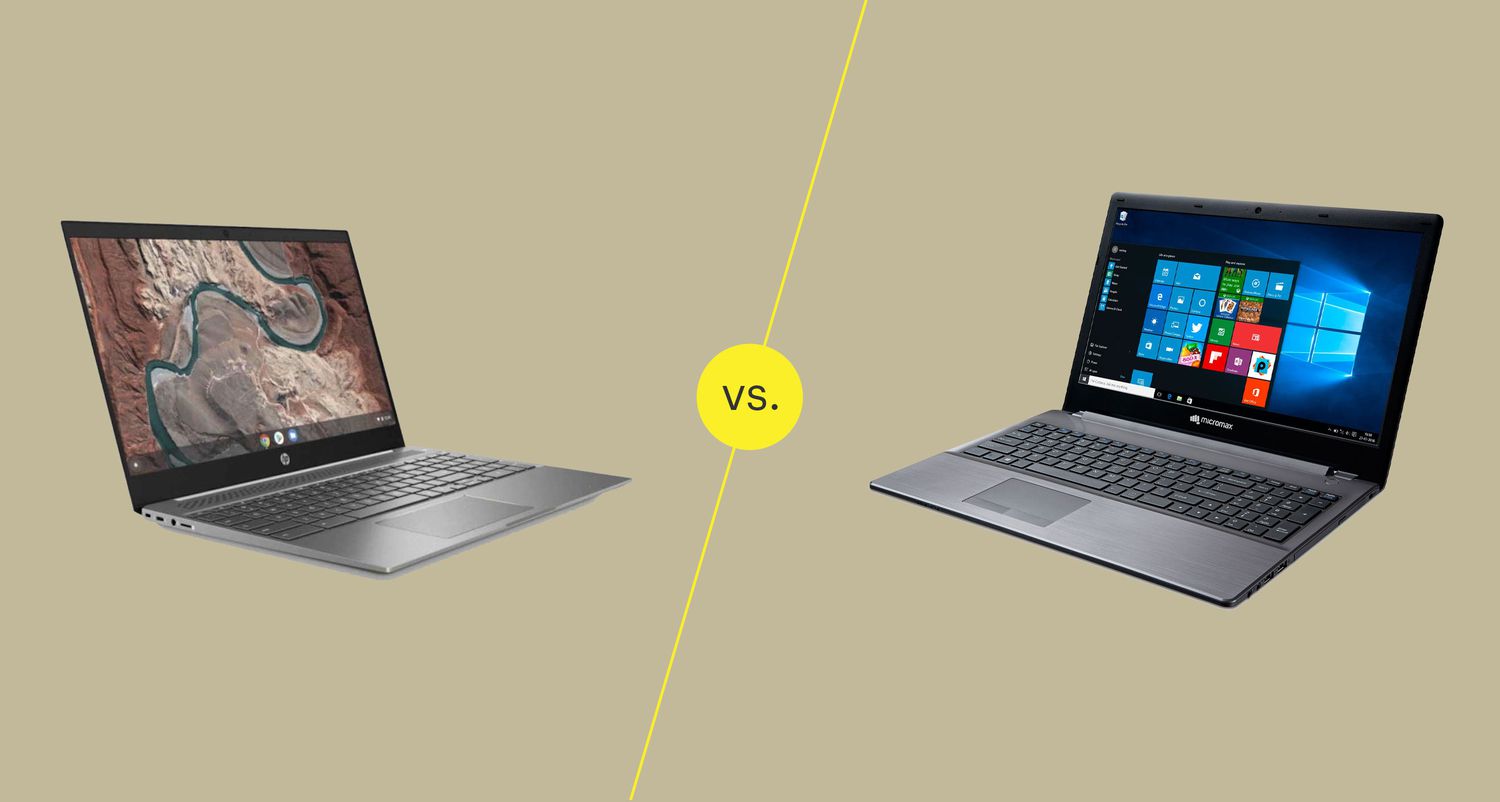
So my niece asked me last month, “should I just get a Chromebook for college or is a real laptop better?” And I sat there for a second because… honestly, it’s not as simple as people make it sound. I’ve owned both. I’ve regretted one purchase and loved the other, depending on what I was using it for at the time. So let’s actually talk this through properly.
The Chromebook vs laptop debate isn’t about which one is “better” in some absolute sense. It’s about which one fits your life. And that’s the part most buying guides skip over.
What Even Is The Difference
A Chromebook runs on Chrome OS, which is basically Google’s lightweight operating system built around the browser. A traditional laptop usually runs Windows or macOS, full operating systems that can handle heavier software, offline programs, and just about anything you throw at them.
Think of it like this — a Chromebook is like a scooter. Fast, simple, gets you where you need to go without fuss. A regular laptop is more like a car. Slower to start sometimes, needs more maintenance, but it can carry a lot more and go a lot further.
Chromebook vs Laptop: Where Chromebooks Actually Win
They’re Ridiculously Fast To Start
I’m not exaggerating when I say my old Chromebook booted up in about seven seconds. Seven! My Windows laptop at the time took almost two minutes just to get to the desktop, and then another minute for everything to stop freezing while updates ran in the background.
Battery Life That Doesn’t Quit
This is the one thing that genuinely surprised me. My Chromebook lasted almost ten hours on a single charge doing normal browsing and writing. My laptop? Maybe five, and that’s being generous.
Way Cheaper
You can grab a decent Chromebook for under $300. Try finding a laptop that runs smoothly for that price — it exists, but it’s rare, and usually you’re compromising somewhere.
Barely Any Maintenance Headaches
No weird driver updates. No random malware popping up every other week. Chrome OS updates itself quietly and just works. My mom uses one now and she’s never once called me confused about a “system error,” which honestly might be the biggest compliment I can give it.
Also Explore Our Guide On This: Upgrade Your RAM
Where A Traditional Laptop Still Wins, Hands Down
Software You Actually Need
Here’s where things get real. If you need Photoshop, certain accounting software, specific coding tools, or anything that isn’t web-based, a Chromebook just won’t cut it. I tried editing videos on mine once. Once. Never again.
Working Offline
Chromebooks lean heavily on being connected to the internet. Sure, there’s offline mode for some apps now, but it’s not the same experience. A laptop just works whether you’re on a plane, in a basement with no wifi, or camping somewhere with zero signal (don’t ask why I was trying to work while camping, long story).
Storage Space
Most Chromebooks come with pretty limited local storage since everything’s meant to live in the cloud. If you’re someone who hoards files, photos, and downloads like I apparently do, a laptop with a proper hard drive or SSD gives you way more breathing room.
Gaming And Heavy Tasks
If gaming matters to you at all, or you do anything graphics-heavy, a laptop is really the only sensible choice here. Chromebooks just aren’t built for that kind of load.
So Which One Should You Actually Pick
It really comes down to what you’re doing day to day. Students who mostly need to write papers, browse, and use Google Docs? A Chromebook is honestly perfect, and probably even better than a bulky laptop for that use case. But if your work involves specific software, offline access, or anything demanding, then a traditional laptop is worth the extra cost.
My niece, by the way, ended up getting a Chromebook. She’s studying communications, mostly writing and researching, and two months in she still hasn’t complained once. But my cousin who’s in engineering? He’d be lost without his laptop and its ability to run CAD software.
Laptop Vs Chromebook Isn’t Really A Competition
That’s the thing people get wrong going into this. It’s not laptop vs chromebook like it’s some rivalry where one wins overall. They’re built for different lives. A Chromebook makes sense for simple, browser-based work and tight budgets. A laptop makes sense when you need power, flexibility, and software freedom.
Final Thoughts
I still own both, if I’m being honest. My Chromebook lives on my coffee table for quick browsing and writing sessions like this one. My laptop stays in my bag for actual work that needs muscle behind it. Neither one replaced the other for me — they just found their own place in my routine.
Don’t let anyone tell you one is objectively better. Figure out what you actually do with your device most days, and let that answer the question for you.
FAQs
Q: Can a Chromebook replace a laptop completely?
For a lot of people, yes — especially if most of your work happens in a browser. But if you rely on specific software or need to work offline often, it’ll feel limiting pretty fast.
Q: Are Chromebooks good for students?
Honestly, for most students they’re a great fit. Lightweight, cheap, long battery life, and Google Docs works beautifully on them.
Q: Why are Chromebooks so much cheaper than laptops?
They run a lighter operating system and usually have simpler hardware since they’re not built to handle heavy software the way traditional laptops are.
Q: Can you install regular programs on a Chromebook?
Not really, not in the traditional sense. You’re mostly limited to web apps and Android apps, which covers a lot but not everything.
Q: Which lasts longer, a Chromebook or a laptop?
In my experience, Chromebooks tend to last longer simply because there’s less that can go wrong software-wise, and the battery holds up better over the years too.
Follow Us for More Informational Blogs
