

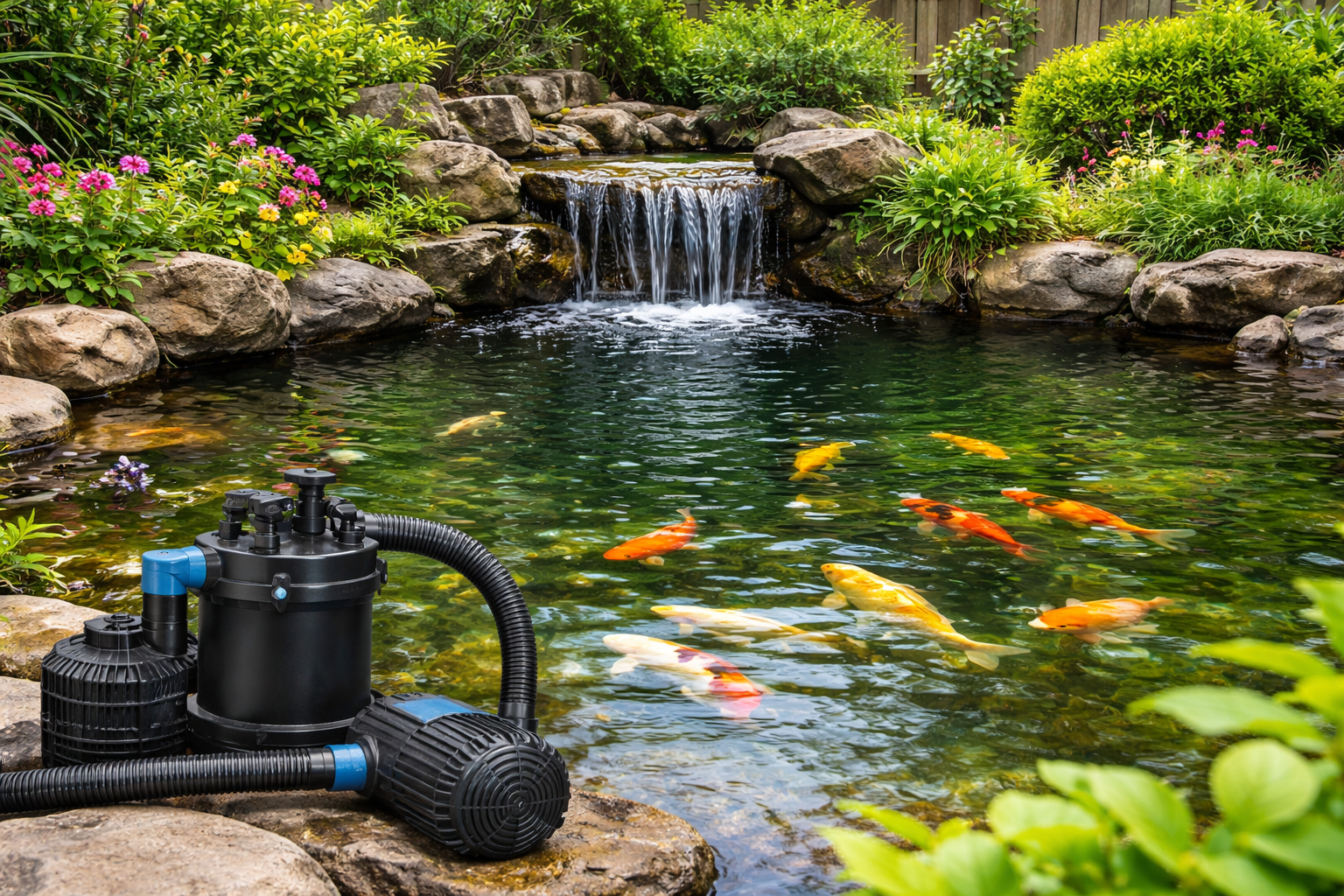
I still remember the first time my pond pump died on me. It was a Sunday morning, I had coffee in one hand, and I walked outside to find the water completely still — no bubbling, no waterfall sound, nothing. My koi were hovering near the surface, which is never a good sign. Turned out the impeller was so clogged with algae and debris that the motor had basically given up trying. Twenty minutes of cleaning later, it roared back to life. That morning taught me something every pond owner eventually learns the hard way: a pond pump isn’t a “set it and forget it” appliance. It needs attention, and knowing how to clean and maintain a pond pump properly is the difference between a thriving pond and an expensive repair bill.
This guide walks through everything — what the process actually involves, how it works, who needs to be doing it, the real pros and cons, and whether it’s genuinely worth the effort (spoiler: yes, but there’s a right way and a lazy way).
Quick Answer
Cleaning and maintaining a pond pump means regularly removing debris, algae, and mineral buildup from the intake, impeller, and housing so the motor doesn’t overwork or burn out. Most pumps need a light rinse every 2–4 weeks and a full teardown clean every 1–3 months, depending on pond size, fish load, and how much organic debris (leaves, algae, sludge) ends up in the water. Skipping this leads to reduced water flow, overheating, poor oxygenation, and — eventually — a dead pump.
What “Cleaning and Maintaining a Pond Pump” Actually Means
A pond pump is the heart of your water feature. It circulates water through filters, waterfalls, or fountains, and that circulation is what keeps oxygen levels healthy and prevents stagnant, algae-choked water. Over time, though, the same debris the pump is supposed to help manage — leaves, fish waste, string algae, silt — gets sucked into the intake and starts clogging things up internally.
Maintenance isn’t just wiping the outside casing. It typically covers:
- Removing the pump from the pond or filter box
- Disassembling the housing to access the impeller
- Clearing debris from the intake screen and impeller chamber
- Rinsing components with clean (not chlorinated tap) water
- Checking the impeller and shaft for wear or cracks
- Reassembling and testing flow rate before putting it back
It sounds simple, and honestly, it mostly is. The tricky part is remembering to do it before performance drops, not after the pump has already strained itself.
How It Works
Most submersible pond pumps use a magnetic impeller system — a small rotating part that pushes water through the housing. When algae, sludge, or snail shells wedge themselves around that impeller, the motor has to work harder to spin it, drawing more electricity and generating more heat. That heat is usually what kills pumps prematurely, not old age.
Cleaning interrupts that cycle. By clearing the intake and impeller regularly, water moves freely, the motor runs cooler, and energy consumption actually stays lower than a neglected pump straining against gunk. There’s a bit of a snowball effect here — a slightly dirty pump collects debris faster because reduced flow means less turbulence to keep particles moving through instead of settling.
Main Features of a Good Pond Pump Maintenance Routine
A solid routine usually includes these elements, whether you’re doing it yourself or following manufacturer guidance:
- Pre-filter or intake screen checks — these catch large debris before it reaches the impeller
- Impeller inspection — looking for cracks, wear grooves, or mineral scale buildup
- Non-chemical rinsing — using pond water or dechlorinated water so you don’t shock your fish or biological filter later
- Seasonal deep cleans — particularly before winter shutdown and after spring startup
- Flow rate testing — comparing current output against the pump’s rated GPH (gallons per hour)
Some newer pumps come with self-cleaning or anti-clog impeller designs, which genuinely do reduce maintenance frequency. They’re not magic, though — they just buy you more time between cleanings, not immunity from ever doing it.
Pros and Cons of Regular Pond Pump Maintenance
Pros:
- Extends pump lifespan significantly (often years longer than neglected units)
- Keeps water properly oxygenated for fish health
- Prevents costly emergency replacements
- Lowers electricity usage since the motor isn’t straining
- Reduces algae buildup by keeping water circulating well
Cons:
- Takes time, especially with larger or harder-to-access pumps
- Can be messy — sludge and algae are not pleasant to handle
- Requires turning off electricity and sometimes draining part of the system
- Easy to forget until something goes wrong
- Some pump designs are genuinely annoying to disassemble
I’ll be honest — the disassembly part is where most people give up too early and just hose it off from the outside. That helps a little, but it doesn’t actually solve the impeller clogging, which is usually the real problem.
Real-World Examples and Use Cases
Picture a backyard koi pond with a waterfall feature. During autumn, leaves fall constantly, and without weekly skimming plus a biweekly pump check, the intake screen clogs within days. One pond owner I spoke with in a gardening forum mentioned cleaning her pump every ten days during fall and monthly the rest of the year — and her pump lasted almost six years, well beyond the typical 2–3 year lifespan people report for neglected units.
On the other end, small decorative fountain pumps in patio setups often get ignored because “it’s just a fountain, not a real pond.” But mineral scale from tap water buildup can seize these smaller motors within a single season if nobody ever checks them.
Larger koi ponds with heavy fish loads need more frequent attention too, simply because more fish waste means more organic material circulating through the system.
Safety, Legitimacy, and Practical Concerns
There’s nothing shady or complicated about pond pump maintenance — it’s a legitimate, necessary part of pond ownership, not some optional upsell. That said, a few safety points matter:
- Always unplug the pump before touching it. Water and electricity are a bad combination, obviously, but people still forget.
- Avoid using soap or household cleaners on pump components — residue can harm fish even in tiny amounts.
- Wear gloves if you’re dealing with sludge that’s been sitting for a while; it can get surprisingly bacteria-heavy.
- Double-check GFCI outlets are functioning, since pond pumps run continuously and are exposed to moisture year-round.
None of this is scary, just common sense that’s easy to overlook when you’re rushing through a chore on a Saturday afternoon.
Common Problems and Limitations
Even with regular cleaning, a few issues tend to show up repeatedly:
- Reduced flow despite cleaning — often means the impeller itself is worn and needs replacing, not just cleaning
- Frequent clogging — usually points to inadequate pre-filtration or too much organic debris entering the pond (overhanging trees are a common culprit)
- Mineral scale in hard water areas — this builds up regardless of how clean the debris situation is, and may need occasional vinegar-soak treatment for calcium deposits
- Pump humming but not moving water — typically a jammed or cracked impeller, sometimes fixable, sometimes not
Maintenance won’t fix mechanical failure or old age. At some point, especially past the 3–5 year mark on budget pumps, replacement becomes more sensible than repeated cleaning and part-swapping.
Comparison: DIY Cleaning vs. Professional Servicing
For most residential ponds, DIY cleaning is entirely sufficient — it doesn’t require special tools beyond a soft brush, a bucket, and maybe a screwdriver. Professional pond servicing tends to make more sense for:
- Large koi ponds with expensive, high-flow pump systems
- Commercial water features
- Situations where someone genuinely doesn’t have the time or physical ability to manage it seasonally
Cost-wise, DIY maintenance is essentially free beyond your own time, while professional servicing can run anywhere from moderate to fairly expensive depending on pond size and region. For a typical backyard setup, paying someone to clean a pump feels a bit like paying someone to change your car’s oil when it takes fifteen minutes yourself — doable, but not necessary for most people.
Expert-Style Practical Opinion
If I’m being straight with you, the biggest mistake I see pond owners make isn’t skipping maintenance entirely — it’s doing it inconsistently. They’ll clean the pump obsessively for the first month after buying it, then forget about it for half a year until flow drops noticeably. By that point, the impeller often has enough scale or debris buildup that a simple rinse won’t cut it anymore.
A better approach is tying pump checks to something you already do regularly, like topping off water levels or feeding fish. Even a quick 30-second glance at the intake screen weekly catches problems before they become expensive ones. It’s not glamorous advice, but consistency genuinely matters more than intensity here.
Final Verdict
Learning how to clean and maintain a pond pump isn’t optional busywork — it’s one of the few maintenance tasks that directly determines whether your pond stays healthy or slowly deteriorates. The process itself is straightforward once you’ve done it a couple of times, and the payoff (a longer-lasting pump, healthier fish, clearer water) is genuinely worth the recurring effort. For anyone serious about keeping a pond long-term, this isn’t a task to outsource or ignore — it’s foundational.
Expand Your Knowledge: If you’re setting up a full pond system, it also helps to understand proper filtration and water circulation basics alongside pump maintenance.
FAQs
Q: How often should I clean my pond pump?
A: Light checks every 2–4 weeks and a full teardown clean every 1–3 months is a reasonable baseline, though heavier fish loads or autumn leaf fall may require more frequent attention.
Q: Can I use tap water to clean pond pump parts?
A: It’s better to use pond water or dechlorinated water. Chlorinated tap water can harm beneficial bacteria and, in small amounts transferred back to the pond, stress fish.
Q: Why does my pond pump keep clogging even after cleaning?
A: This usually means insufficient pre-filtration, nearby trees dropping excessive debris, or an aging impeller that’s collecting buildup faster than normal. Adding a pre-filter sponge often helps significantly.
Q: How do I know if my pond pump needs replacing instead of cleaning?
A: If flow rate stays weak after a full clean, or the motor hums without moving water, the impeller or motor itself is likely worn out rather than simply dirty.
Q: Is it safe to leave a pond pump running while cleaning the rest of the pond? A: No — always unplug the pump before doing any hands-on cleaning or maintenance work, both for safety and to avoid damaging the motor while parts are exposed.
Q: Do all pond pumps need the same maintenance schedule? A: Not exactly. Smaller decorative fountain pumps and large koi pond pumps have different debris exposure and flow demands, so schedules should be adjusted based on pond size, fish load, and surrounding foliage.
