

Introduction
When you’re dealing with an unexpected illness, planning surgery, or simply looking for a reliable healthcare provider, choosing the right hospital matters more than most people realize. You want experienced doctors, modern equipment, clear communication, and a place where the process doesn’t feel overwhelming.
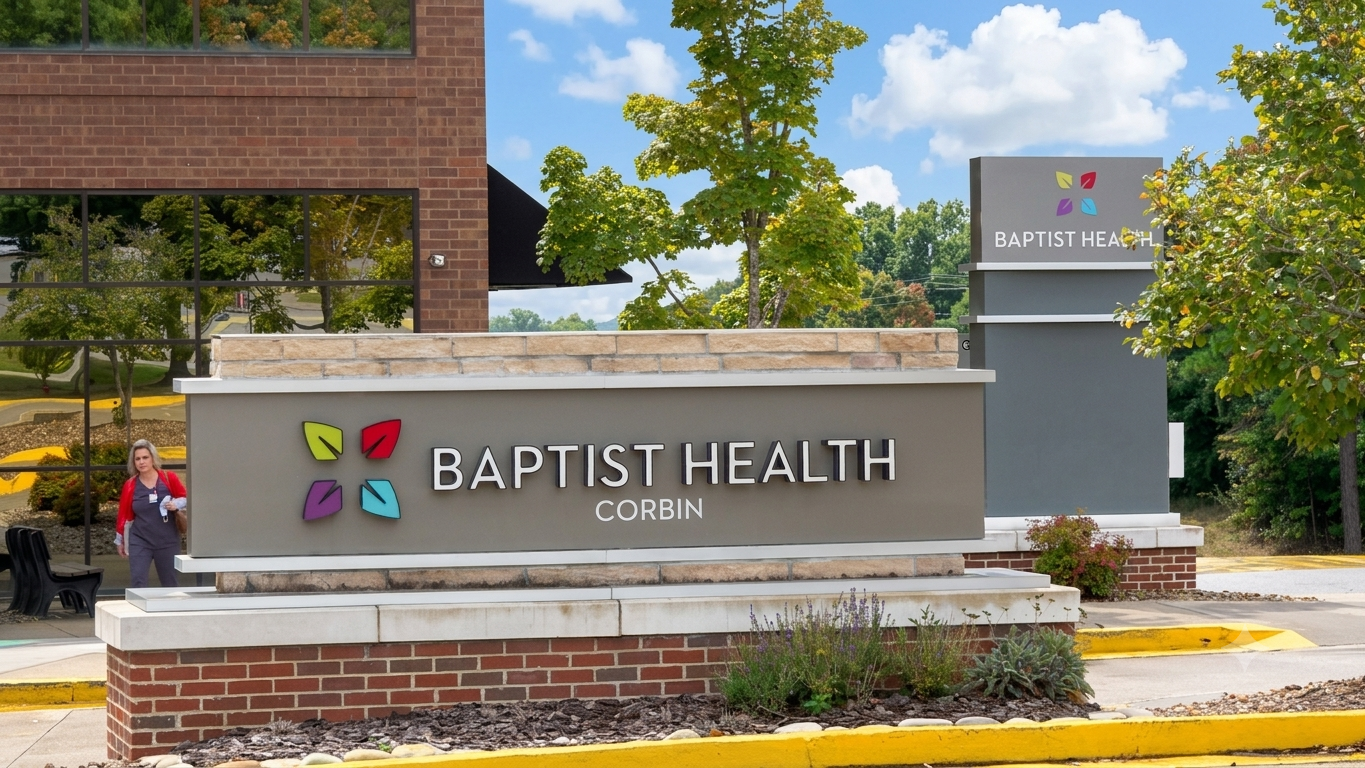
For people living in southeastern Kentucky, one name comes up frequently: baptist health corbin ky. But what exactly does it offer? Is it only for emergencies, or can patients receive long-term care there as well? And perhaps the biggest question—does it provide a positive experience in real life, not just on paper?
This guide takes a practical, balanced look at the hospital, explaining its services, strengths, limitations, and who may benefit most from choosing it.
Quick Answer
Baptist health corbin ky is a regional hospital serving patients in southeastern Kentucky. It offers emergency care, surgery, imaging, maternity services, heart care, cancer treatment, rehabilitation, and many outpatient medical specialties. For many residents, it serves as both an emergency hospital and a long-term healthcare provider, supported by physicians, specialists, and diagnostic services in one healthcare network.
What Is Baptist Health Corbin KY?
It is a full-service regional medical center that serves Corbin and surrounding communities across southeastern Kentucky.
Rather than focusing on one specialty, the hospital provides care across multiple medical fields, allowing patients to receive diagnosis, treatment, follow-up care, and specialist referrals without traveling long distances.
The facility is part of the larger Baptist Health healthcare system, which operates several hospitals and medical practices throughout Kentucky and southern Indiana. Being part of a larger network often means patients can access additional specialists, shared medical records, and coordinated care across different locations.
Its mission centers on providing community-based healthcare while maintaining access to advanced medical technology and specialized treatment.
How Does It Work?
Most patients enter the healthcare system in one of several ways.
Scheduled appointments
Patients may visit primary care physicians or specialists for routine healthcare, ongoing medical conditions, preventive screenings, or referrals.
Emergency care
The emergency department treats urgent medical situations such as:
- Chest pain
- Serious injuries
- Broken bones
- Difficulty breathing
- Stroke symptoms
- Severe infections
- High fevers
- Accidents
Emergency cases are prioritized according to medical urgency rather than arrival time.
Outpatient services
Many treatments no longer require overnight hospitalization.
Examples include:
- Diagnostic imaging
- Blood work
- Physical therapy
- Same-day procedures
- Cardiac testing
- Sleep studies
Patients typically arrive, receive treatment, and return home the same day.
Inpatient care
People requiring surgery, observation, or complex medical treatment may stay in the hospital for several days while receiving continuous monitoring.
Main Features
One reason many families rely on this medical center is the broad range of healthcare services available in one location.
Emergency Medicine
The emergency department operates around the clock.
Doctors and nurses manage situations ranging from minor injuries to life-threatening emergencies.
Emergency departments naturally experience busier periods during evenings, weekends, and flu season, so wait times can vary based on patient volume.
Surgical Services
The hospital performs numerous surgical procedures.
These may include:
- Orthopedic surgery
- General surgery
- Minimally invasive procedures
- Digestive system surgery
- Women’s health procedures
Many surgeries involve multidisciplinary teams including surgeons, anesthesiologists, nurses, and rehabilitation specialists.
Heart and Vascular Care
Cardiovascular disease remains one of the most common health concerns across the United States.
Patients may receive:
- Heart evaluations
- Cardiac imaging
- Stress testing
- Preventive heart screenings
- Ongoing cardiovascular management
Early diagnosis often improves treatment outcomes.
Women’s Health and Maternity
Expecting parents often choose hospitals based on maternity care.
Services generally include:
- Prenatal support
- Labor and delivery
- Postpartum care
- Newborn care
- Breastfeeding assistance
Having these services within one healthcare network simplifies communication between providers.
Cancer Services
Cancer treatment often requires long-term coordination.
Available services may include:
- Medical oncology
- Infusion therapy
- Diagnostic imaging
- Laboratory testing
- Follow-up appointments
Patients usually appreciate receiving multiple services at one location instead of traveling between different facilities.
Imaging and Diagnostics
Modern healthcare relies heavily on diagnostic technology.
Common imaging services include:
- MRI
- CT scans
- Ultrasound
- X-rays
- Mammography
These tests help physicians diagnose conditions more accurately and create treatment plans more quickly.
Rehabilitation
Recovery doesn’t end after surgery.
Many patients continue treatment through rehabilitation services such as:
- Physical therapy
- Occupational therapy
- Speech therapy
These programs aim to improve mobility, strength, and independence.
Pros
Like any healthcare facility, there are several notable strengths.
Comprehensive services
Patients often appreciate receiving multiple types of care within one hospital network.
Experienced medical teams
Regional hospitals generally employ physicians, nurses, therapists, pharmacists, and specialists working together across departments.
Community focus
Because it primarily serves surrounding counties, many patients feel they receive more personalized attention than they might expect from larger metropolitan hospitals.
Access to specialists
Patients requiring advanced care can often receive referrals within the same healthcare system.
Modern diagnostic technology
Advanced imaging and laboratory testing support quicker diagnosis and treatment decisions.
Cons
No hospital is perfect, and it’s worth understanding potential limitations.
Wait times
Emergency departments everywhere experience busy periods.
Patients with non-life-threatening conditions may wait longer when critical emergencies arrive.
Specialist scheduling
Some specialty appointments can require advance booking depending on physician availability.
Travel distance
Residents in rural communities may still drive considerable distances to reach the hospital.
Large healthcare systems can feel complex
Some patients occasionally find navigating multiple departments or scheduling follow-up visits slightly confusing, especially during ongoing treatment plans.
Real-World Situations Where It Can Be Helpful
Healthcare decisions usually happen unexpectedly.
Consider a few realistic examples.
A family emergency
Someone develops severe abdominal pain late at night.
Instead of driving several hours to a larger city, they visit the local emergency department where physicians perform imaging, diagnose the problem, and determine whether surgery is necessary.
Knee replacement recovery
An older adult undergoes orthopedic surgery.
Following discharge, rehabilitation services help restore mobility over several weeks, allowing the patient to return to everyday activities.
Pregnancy care
A couple attends prenatal appointments, delivers their baby, and completes newborn follow-up visits within the same healthcare system.
This continuity often makes communication smoother between providers.
Chronic disease management
Someone living with diabetes visits a primary care physician regularly, receives lab testing, consults specialists when necessary, and monitors long-term health without switching healthcare networks repeatedly.
Is It Safe and Legitimate?
This is one of the most common questions patients ask before selecting any healthcare provider.
The short answer is yes.
The hospital operates as an established regional medical center within a recognized healthcare system.
Healthcare organizations like this follow numerous standards involving:
- Patient privacy
- Medical licensing
- Infection control
- Medication safety
- Emergency preparedness
- Clinical quality improvement
No hospital eliminates medical risks entirely because healthcare itself involves uncertainty. However, structured procedures exist to reduce avoidable errors and improve patient outcomes.
Patients also have rights regarding informed consent, medical records, and treatment decisions.
Privacy Considerations
Healthcare facilities handle highly sensitive personal information.
Patients should expect protection of:
- Medical history
- Laboratory results
- Insurance information
- Prescription records
- Imaging reports
Electronic medical record systems allow providers to coordinate care more efficiently while following privacy regulations.
Patients can also ask questions about how their information is stored and shared.
Common Problems Patients Sometimes Experience
Every healthcare organization receives both praise and criticism.
Some commonly reported challenges across hospitals—not unique to one facility—include:
- Long emergency room waits during peak periods
- Insurance coverage confusion
- Appointment availability
- Delayed specialist scheduling
- Billing questions
- Communication between departments
Many of these issues are common throughout modern healthcare systems rather than indicators of poor medical care.
Preparing insurance information ahead of appointments and keeping copies of referral documents often reduces unnecessary delays.
Comparison With Other Healthcare Options
Patients sometimes wonder whether a regional hospital is enough or if they should travel to a larger academic medical center.
Here’s a practical comparison.
| Regional Hospital | Large Academic Hospital |
| Easier local access | Broader specialty programs |
| Shorter travel distance | Advanced research opportunities |
| Community-focused care | Highly specialized treatments |
| Faster routine follow-up | Larger patient volume |
| Convenient outpatient care | Better for extremely rare conditions |
For everyday healthcare needs, regional hospitals often provide everything most patients require.
Highly unusual or extremely complex medical cases may involve referral to larger specialty centers.
Practical Opinion From a Patient Perspective
If you’ve ever spent hours driving simply to attend a routine medical appointment, you’ll understand why local hospitals remain important.
One thing many people underestimate is convenience.
Being able to complete lab work, imaging, physician appointments, rehabilitation, and follow-up visits in one healthcare network saves time and reduces stress.
Of course, experiences vary. Some patients leave extremely satisfied, while others may encounter delays or communication issues. That’s true across nearly every hospital in the country.
The most useful approach is to evaluate care based on your specific medical needs rather than expecting every department to operate exactly the same.
Is Baptist Health Corbin KY Actually Useful?
For most residents in southeastern Kentucky, the answer is yes.
It provides access to a broad range of medical services close to home while reducing the need to travel to larger cities for routine care.
Patients needing emergency treatment, surgery, imaging, maternity care, rehabilitation, or chronic disease management often benefit from having these services connected under one healthcare system.
Those with exceptionally rare medical conditions may still require referral to larger tertiary medical centers, which is standard practice across healthcare.
Final Verdict
Choosing a hospital is rarely about finding a perfect facility. It’s about finding one that offers dependable medical care, qualified professionals, appropriate technology, and services that fit your health needs.
baptist health corbin ky serves an important role for many Kentucky residents by combining emergency care, specialty medicine, diagnostics, rehabilitation, and preventive healthcare within one regional system.
Like every hospital, it has busy periods and operational challenges. Even so, its broad service offerings and community focus make it a practical healthcare choice for many individuals and families seeking reliable local medical care.
Explore More Healthcare Guides: broward-health-jobs
FAQs
Q: What services does Baptist Health Corbin KY provide?
A: The hospital offers emergency medicine, surgery, imaging, maternity care, cancer services, rehabilitation, laboratory testing, heart care, outpatient treatment, and physician specialty services.
Q: Can I visit without an appointment?
A: Yes. Emergency departments accept walk-in patients. Routine physician visits and specialist appointments usually require scheduling in advance.
Q: Does the hospital perform surgeries?
A: Yes. It provides a variety of surgical procedures, including general surgery, orthopedic surgery, and other specialty operations depending on physician availability.
Q: Is emergency care available 24 hours a day?
A: Yes. Emergency medical services operate around the clock for urgent and life-threatening medical conditions.
Q: Is Baptist Health Corbin KY suitable for long-term healthcare?
A: Yes. Many patients use it not only for emergencies but also for ongoing primary care, specialist appointments, rehabilitation, preventive screenings, and chronic disease management.
Q: Does the hospital provide imaging services?
A: Yes. Patients can typically access services such as MRI, CT scans, X-rays, ultrasound examinations, and other diagnostic imaging based on physician recommendations.
Q: Should I choose a regional hospital or travel to a larger medical center?
A: For routine healthcare, emergency treatment, common surgeries, and many specialty services, a regional hospital is often sufficient. Patients with rare or highly specialized medical conditions may be referred to larger tertiary care centers when appropriate.
