

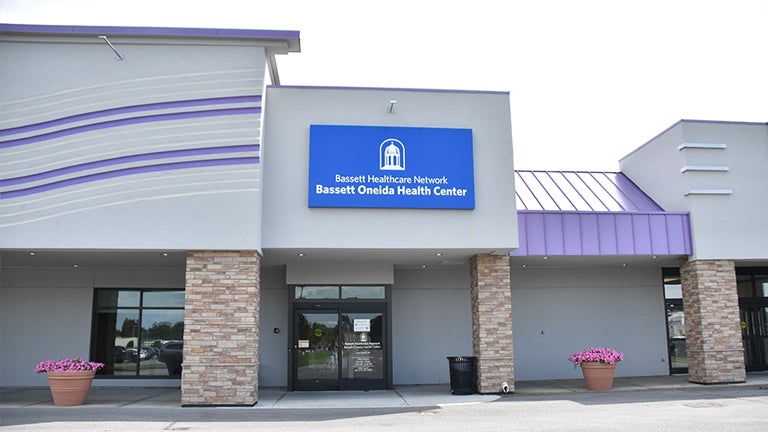
If you’ve ever typed “find a doctor near Cooperstown” or stumbled across a hospital name while relocating to upstate New York, there’s a good chance Bassett Health came up in your search. Maybe a family member mentioned it. Maybe your employer’s insurance pointed you there. Either way, you’re probably wondering — what exactly is this place, and can I actually trust it with my care?
That’s a fair question. Healthcare systems in rural areas don’t always get the scrutiny they deserve, and patients often end up navigating them without much guidance. So here’s a thorough look at what Bassett Healthcare Network really is, how it operates, what it’s genuinely good at, and where it falls short.
Quick Answer (For Featured Snippet Readers)
Bassett Healthcare Network is an integrated, nonprofit healthcare system based in Cooperstown, New York. It serves a rural eight-county region in Central New York through six hospitals, 33+ primary care centers, 21 school-based health centers, telehealth services, specialty clinics, long-term care, and family dentistry. Its flagship facility, Bassett Medical Center, is a teaching hospital affiliated with Columbia University College of Physicians and Surgeons. Services range from emergency care and cancer treatment to pediatrics, orthopedics, and mental health. You can reach them at 1-800-BASSETT or through the MyBassett Health Connection patient portal.
What Is Bassett Health?
Bassett Healthcare Network isn’t a single clinic or a small-town doctor’s office — it’s a full-scale regional health system that has been operating for over a century. The anchor of the entire network is Bassett Medical Center in Cooperstown, NY, a 180-bed acute care inpatient teaching hospital that handles everything from open-heart surgery to advanced cancer care.
The system was built specifically to address a real problem: rural communities in upstate New York historically lacked access to the kind of specialist care you’d normally only find in major cities. Bassett’s approach was to bring those specialists to the region — either by stationing them at community hospitals or through its expanding telehealth program.
As of now, the network includes:
- Six regional hospitals: Bassett Medical Center, A.O. Fox Hospital, Little Falls Hospital, Cobleskill Regional Hospital, O’Connor Hospital, and A.O. Fox Hospital – Tri-Town
- 33 primary care centers across eight counties
- 21 school-based health centers
- Convenient care and urgent care locations
- Specialty campuses in Herkimer, Oneonta, and Hartwick Seminary
- Skilled nursing and long-term care facilities
- Family dentistry practices
- TeleHealth services accessible via the MyBassett patient portal
The total coverage area spans approximately 5,600 square miles across Chenango, Delaware, Fulton, Herkimer, Madison, Montgomery, Otsego, and Schoharie counties. That’s a lot of ground for any health system to cover.
How Does Bassett Healthcare Work?
The way the system is set up is actually pretty logical once you understand it. Think of it like a hub-and-spoke model.
The hub is Bassett Medical Center in Cooperstown — where the most complex, high-acuity care happens. Things like neurosurgery, robotic-assisted surgery, advanced cardiac procedures, and specialized cancer treatment are all centralized there. The spokes are the community hospitals and outpatient centers spread across the region, handling everything from routine checkups to minor emergencies.
When you need specialist care that isn’t available at your local community hospital, Bassett physicians often travel to satellite locations so patients don’t have to drive two hours for a cardiology appointment. This is one of the more practical aspects of how the system operates — and it genuinely makes a difference in a region where driving 45 minutes for a specialist visit is already considered convenient.
For new patients, the typical entry point is a primary care center or school-based health center. From there, referrals to specialists within the network follow a fairly straightforward path.
MyBassett Health Connection is the patient portal that ties everything together digitally. Through it, patients can schedule appointments, request prescription refills, review lab results, and access telehealth visits. Enrollment requires a call to their hotline, which is a bit old-fashioned compared to fully online sign-up systems, but the functionality once you’re in is solid.
Key Services and Features
Bassett Medical Center — The Flagship
The main hospital in Cooperstown is where Bassett’s clinical reputation lives. It houses two major specialized care institutes:
- Bassett Heart Care Institute — comprehensive cardiac services
- Bassett Cancer Institute — oncology treatment and support
U.S. News & World Report recognized Bassett Medical Center as a high-performing hospital in the treatment of heart attacks. It also received the 2025 Performance Leadership Award from The Chartis Center for Rural Health in the Outcomes category — recognition that doesn’t happen without real results in patient care.
The hospital offers daVinci robot-assisted surgery, which used to be the sort of thing only big urban medical centers offered. That’s a genuine differentiator for a rural system.
Columbia University Affiliation
This is probably the most underappreciated part of the Bassett story. The network is affiliated with Columbia University’s College of Physicians and Surgeons through the Columbia-Bassett Medical School Program. Students from one of the nation’s top medical schools do a significant portion of their clinical training here.
What that means practically: the academic environment keeps physicians on their toes, and the research component is active. The Bassett Research Institute runs studies through its Center for Rural Community Health and the New York Center for Agricultural Medicine and Health (NYCAMH) — a genuinely niche focus on health issues specific to rural and farming communities.
Telehealth
The telehealth program expanded significantly during COVID-19 and never really pulled back. Primary care, several specialty services, and inpatient consultations are all available via video visits through the MyBassett portal. For patients in remote parts of the coverage area — where driving to any medical facility takes a while — this matters a lot.
Interestingly, Bassett’s own Research Institute studied barriers to telehealth adoption among rural populations and found that broadband access isn’t the only obstacle. That kind of self-aware research is unusual for a hospital network and suggests at least some genuine commitment to closing care gaps.
School-Based Health Centers
There are 21 of these across the network, and they stay open even during school breaks. These centers serve kids enrolled in participating schools and can be accessed at any SBHC location — a practical convenience for parents in a region where pediatric access has historically been limited.
Long-Term and Senior Care
A.O. Fox Nursing Home handles skilled nursing, and Valley Residential Services in Herkimer County provides assisted living — the only such facility in the county. For seniors trying to stay independent as long as possible, that’s not a small thing.
Pros and Cons of Bassett Healthcare
No health system is perfect, and Bassett is no exception. Here’s an honest read on what works and what doesn’t.
What works well:
- Broad geographic coverage for a rural region — genuinely impressive reach
- Columbia University affiliation raises the academic standard of care
- Multiple specialty services accessible locally, avoiding long-distance travel
- Recognized cardiac and outcomes performance by national evaluators
- Active research programs focused on rural-specific health issues
- TeleHealth reduces access friction for remote patients
- School-based health centers provide a low-barrier entry point for kids’ care
Where it falls short:
- Staff reviews (on Glassdoor and Indeed) consistently cite below-market wages and high turnover, especially among nurses — this affects patient care continuity
- Nurse-to-patient ratios have been flagged as a concern in some reviews, with staff reporting difficulty providing thorough care under workload pressure
- Health insurance offered to employees reportedly only covers Bassett facilities, limiting options for staff (and indirectly reflecting the network’s limited geographic scope)
- Like many rural systems, access to certain subspecialties can still require waiting or referral to larger urban centers
- Parking at the Cooperstown campus requires shuttle use, which adds travel time — a small but consistently mentioned annoyance
Real-World Use Cases
Scenario 1 — A Rural Family With a Sick Child A family in Schoharie County has a kid with recurring respiratory issues. The school-based health center catches early signs, flags them to a pediatric provider in the network, and sets up a follow-up via telehealth without the parents taking a full day off work for a two-hour round trip. That’s the system working as intended.
Scenario 2 — A Senior With Heart Disease An elderly patient in Delaware County needs cardiac monitoring but can’t drive to Cooperstown regularly. A Bassett cardiologist rotates through a specialty clinic closer to their town, and telehealth fills the gaps between visits. The Heart Care Institute is still accessible for procedures when needed.
Scenario 3 — Someone Relocating From a City A person moving from Albany or Binghamton might find the system adequate for primary and routine care, but potentially frustrating if they’re used to immediate specialist access or multiple hospital choices. Bassett is the primary option across much of its coverage area — there isn’t always a competing hospital nearby. That can feel limiting.
Privacy, Safety, and Legitimacy
Bassett Healthcare Network is a legitimate, long-standing nonprofit healthcare organization, not a startup or wellness brand. It’s been operating for over 100 years. Regulatory oversight includes Joint Commission accreditation — the standard quality benchmark for U.S. hospitals. Patients with unresolved safety or care quality concerns can contact TJC directly.
The patient experience survey program is managed through NRC Health, an independent third-party — not internally managed data, which adds credibility to their ratings.
On privacy: the MyBassett Health Connection portal follows HIPAA standards. Telehealth consent is obtained before scheduling virtual appointments. Standard healthcare data protections apply.
One thing worth noting: the network’s opioid response infrastructure is notably active. Naloxone (Narcan) is available at all outpatient pharmacies without a prescription, and medication disposal kiosks are placed throughout the network — indicating real engagement with the rural opioid crisis rather than just lip service.
Limitations and Common Complaints
Beyond the staffing issues mentioned earlier, a few recurring themes come up in patient and employee feedback:
- Wait times can be long for specialist appointments, as with many rural systems
- Administrative complexity — billing, insurance navigation, and referral paperwork can be cumbersome
- Limited competition in the region means patients have fewer options if they’re dissatisfied
- Wage compression affects staff morale, which occasionally filters through to patient interactions
None of these are unique to Bassett — they’re systemic issues in rural healthcare across the U.S. But they’re worth knowing about before you assume that a large network automatically means a smooth experience.
How Does It Compare to Alternatives?
Within its coverage area, Bassett Healthcare Network largely is the alternative. For most of its eight-county region, the realistic comparison isn’t “Bassett vs. another local system” — it’s “Bassett vs. driving to Albany, Syracuse, or Utica for care.”
That said, for very complex cases — certain cancer treatments, rare subspecialties, high-risk surgeries — patients are sometimes referred out of the network to Albany Medical Center or NYC-based institutions. Bassett’s Columbia affiliation does help smooth some of those transitions.
For telehealth specifically, national platforms like Teladoc or MDLive technically compete, but they can’t provide continuity of care or handle the follow-up, prescriptions, and specialist referrals the way a full network can.
Practical Opinion
If you live in Central New York’s rural counties and need healthcare, Bassett is genuinely your best option — and in many cases, your only realistic one. The Columbia affiliation, the research programs, and the telehealth investment all indicate a system that’s trying to punch above its weight for the population it serves.
That said, it’s not without real problems. The staffing challenges are documented, and high turnover in any hospital affects the quality of day-to-day patient care. If you’re a healthcare professional considering employment there, go in with eyes open about compensation.
For patients — especially families, seniors, and those managing chronic conditions — the breadth of services, the school-based health access, and the expanding telehealth infrastructure make Bassett a capable and legitimate choice. It’s not a Tier 1 urban medical center, but it’s far more than a typical rural hospital.
Final Verdict
Bassett Healthcare Network is a legitimate, well-established regional health system that serves a genuinely underserved rural population in upstate New York. Its Columbia University affiliation, six-hospital network, telehealth expansion, and school-based health infrastructure are real strengths. Staffing and wage issues are real concerns worth monitoring, but the network’s clinical capabilities — particularly in cardiac care, oncology, and surgical services — are credible and nationally recognized.
If you’re in its coverage area, it’s worth establishing care there. If you have complex needs, ask directly about what can be handled locally versus where you’d be referred out. And if you’re coming from a major city, calibrate your expectations — it’s a rural system doing regional work, not a big-city hospital.
Learn everything about Bassett Health
Frequently Asked Questions
Q: What is Bassett Healthcare Network and where is it located?
A: Bassett Healthcare Network is a nonprofit integrated healthcare system based in Cooperstown, New York. It operates six hospitals and dozens of outpatient, specialty, and school-based health centers across eight rural counties in Central New York.
Q: Is Bassett Healthcare Network a good hospital?
A: Yes, for its region. It’s nationally recognized for cardiac outcomes, affiliated with Columbia University, and offers a wider range of specialty services than most rural health systems. Like any organization, it has staffing and administrative challenges, but its clinical capabilities are legitimate.
Q: How do I make an appointment at Bassett?
A: You can call 1-800-BASSETT (1-800-227-7388) or use the MyBassett Health Connection patient portal online. New patients can also walk into convenient care centers for non-emergency visits.
Q: Does Bassett offer telehealth services?
A: Yes. Bassett offers video and phone-based visits for primary care and several specialty services through the MyBassett portal. You need to be enrolled to access these services; enrollment requires calling their hotline at (607) 547-5900 or toll-free at (877) 498-5715.
Q: Is Bassett a teaching hospital?
A: Yes. Bassett Medical Center in Cooperstown is a teaching hospital affiliated with Columbia University’s College of Physicians and Surgeons. It offers residency programs in medicine and surgery and has an active research institute.
Q: What counties does Bassett Healthcare serve?
A: The network covers Chenango, Delaware, Fulton, Herkimer, Madison, Montgomery, Otsego, and Schoharie counties in New York State — roughly 5,600 square miles.
Q: Does Bassett accept Medicare and Medicaid?
A: Bassett Healthcare Network accepts most major insurance plans including Medicare and Medicaid. You should verify your specific plan coverage when scheduling, as accepted plans can vary by location and service type.
Q: What specialty services are available at Bassett?
A: Specialties include cardiology, oncology, orthopedics, neurosurgery, vascular care, dermatology, ear-nose-throat, diabetes care, behavioral health, and more. The Bassett Heart Care Institute and Bassett Cancer Institute are two of the flagship specialty programs.
Q: Is the MyBassett patient portal secure?
A: Yes. MyBassett Health Connection uses HIPAA-compliant security protocols for all patient data. Telehealth consent is obtained before virtual appointments are scheduled.
Q: Are there any concerns about care quality at Bassett?
A: Some reviews from staff mention concerns about nurse-to-patient ratios and high turnover due to below-market wages. These are worth considering as they can affect day-to-day patient interactions, though the network has received national recognition for outcomes in areas like cardiac care.
