

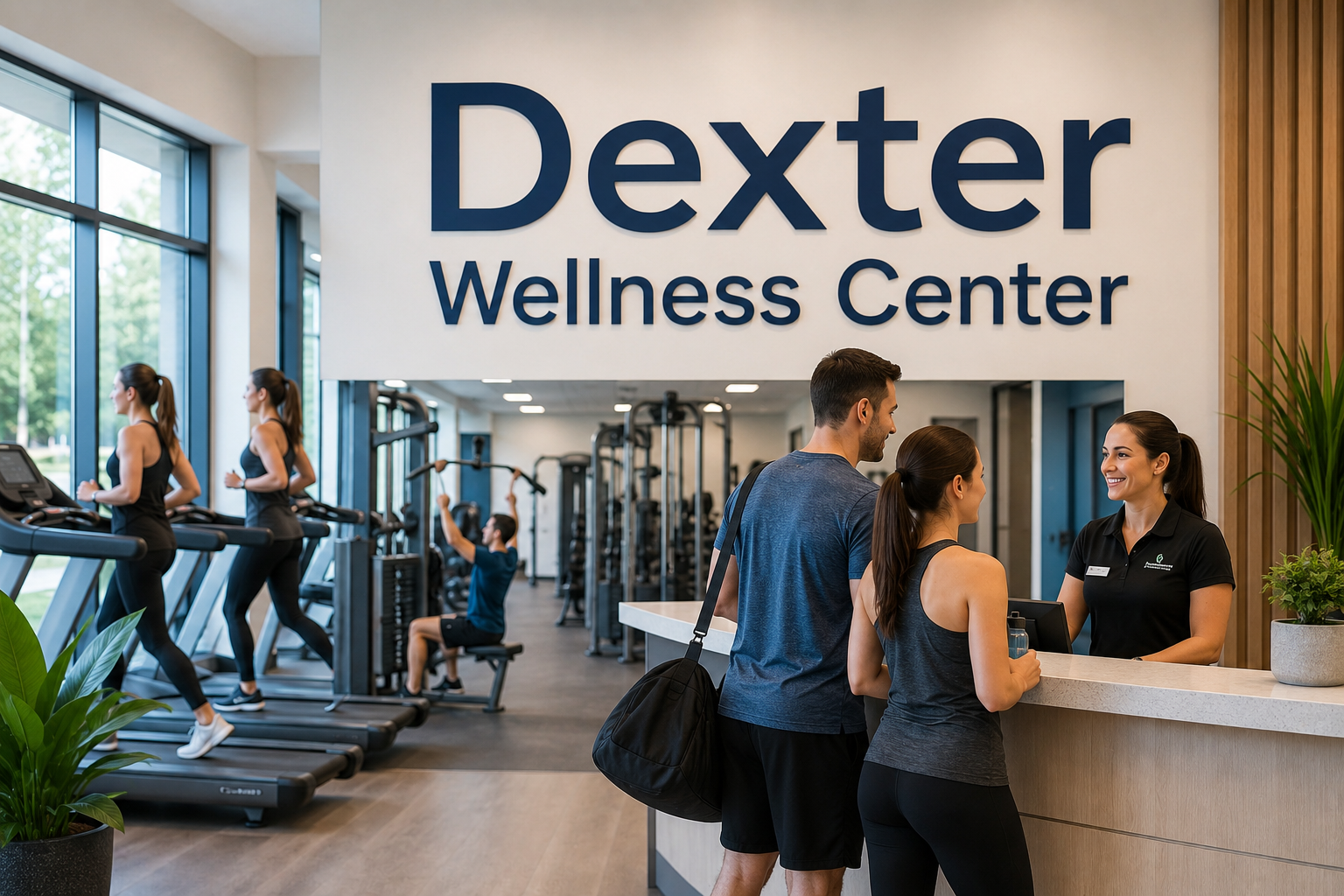
Introduction
Finding a fitness facility today isn’t difficult. Finding one that actually supports long-term health instead of simply offering rows of exercise machines is another story.
Many people want a place where they can improve their physical fitness, recover from injuries, receive professional guidance, and stay motivated without feeling intimidated. That’s where wellness centers have become increasingly popular.
If you’ve been searching for information about dexter wellness center, you’re probably wondering whether it’s worth joining, what services it offers, and whether it fits your personal health goals.
This guide takes a practical, balanced look at what you can generally expect, who benefits most, possible limitations, and whether it provides real value for everyday wellness.
Quick Answer
Dexter wellness center is a community-focused health and fitness facility designed to help people improve overall well-being through exercise, wellness programs, rehabilitation support, and professional fitness guidance. Rather than functioning as a traditional gym alone, it combines fitness, preventive healthcare, and education to encourage healthier lifestyles for people of different ages and fitness levels.
What Is a Dexter Wellness Center?
A wellness center is much more than a place filled with cardio machines and weight equipment.
Instead, it focuses on the bigger picture of health by combining fitness, education, recovery, and preventive care under one roof.
Depending on the specific location, visitors may find:
- Modern fitness equipment
- Indoor walking tracks
- Group exercise classes
- Personal training
- Aquatic facilities
- Rehabilitation services
- Nutrition guidance
- Community wellness events
- Health screenings
- Lifestyle coaching
The overall philosophy is simple: help people stay healthy before serious health issues develop.
That preventive approach is becoming increasingly common among healthcare organizations and community hospitals because regular exercise has been linked with lower risks of chronic diseases such as heart disease, obesity, and type 2 diabetes.
How It Works
Unlike many commercial gyms, wellness centers often begin with understanding your current health instead of immediately selling memberships.
A typical process looks something like this:
Step 1: Registration
Visitors choose a membership or program that matches their goals.
Some centers also offer:
- Day passes
- Family memberships
- Senior memberships
- Student pricing
- Corporate wellness programs
Step 2: Health Assessment
New members may receive an initial consultation.
This can include:
- Blood pressure measurement
- Body composition analysis
- Fitness evaluation
- Flexibility assessment
- Strength testing
- Goal planning
This personalized starting point helps create realistic expectations.
Step 3: Personalized Exercise Plan
Rather than guessing which workouts are best, members often receive recommendations based on:
- Age
- Medical history
- Current activity level
- Weight goals
- Recovery needs
- Mobility limitations
This structured guidance can make beginners feel much more confident.
Step 4: Ongoing Support
Progress isn’t expected overnight.
Many wellness centers encourage regular follow-ups where trainers adjust programs as fitness improves.
Some facilities also organize:
- Wellness challenges
- Nutrition workshops
- Educational seminars
- Community walking groups
- Healthy lifestyle coaching
Main Features
Although services vary by location, several features are commonly available.
Modern Fitness Equipment
Most facilities include:
- Treadmills
- Ellipticals
- Stationary bikes
- Rowing machines
- Free weights
- Resistance machines
- Functional training equipment
Equipment is usually maintained carefully because wellness centers often emphasize safety alongside performance.
Group Fitness Classes
Group workouts help people remain consistent.
Popular classes may include:
- Yoga
- Pilates
- Cycling
- HIIT
- Water aerobics
- Dance fitness
- Strength conditioning
- Stretching sessions
Many beginners find group classes less overwhelming than exercising alone.
Personal Training
Certified trainers can provide:
- Customized workout plans
- Proper lifting technique
- Injury prevention advice
- Motivation
- Progress tracking
A trainer can often identify small form mistakes that eventually lead to injuries if ignored.
Aquatic Programs
If a swimming pool is available, members might enjoy:
- Lap swimming
- Water therapy
- Aquatic exercise classes
- Rehabilitation sessions
Water-based exercise is particularly helpful for individuals with arthritis or joint discomfort because it reduces impact on the body.
Rehabilitation Services
Some wellness centers work alongside physical therapy departments.
These services may benefit people recovering from:
- Knee surgery
- Shoulder injuries
- Sports injuries
- Back pain
- Hip replacement
- Stroke recovery
Transitioning from rehabilitation into regular fitness becomes much easier when everything happens within the same facility.
Wellness Education
Exercise is only one part of staying healthy.
Many centers also offer educational sessions covering:
- Healthy eating
- Stress management
- Better sleep
- Weight management
- Heart health
- Diabetes awareness
Knowledge often creates better long-term habits than short-term motivation alone.
Who Is It Best For?
These facilities are intentionally designed for a wide audience.
They may be especially useful for:
Beginners
Starting fitness can feel intimidating.
Professional guidance reduces uncertainty and builds confidence.
Older Adults
Many seniors appreciate:
- Low-impact classes
- Balance training
- Gentle exercise
- Safe equipment
- Social interaction
Remaining physically active supports independence as people age.
Individuals Recovering From Injury
People coming out of rehabilitation usually need structured progression instead of intense workouts.
A wellness-focused environment often makes that transition safer.
Busy Professionals
Many adults simply want an efficient workout before work or after office hours.
Guided programs remove much of the planning.
Families
Some centers include family memberships and youth activities, encouraging healthier habits across generations.
Benefits You May Notice
While individual experiences vary, consistent participation may lead to several improvements.
Better Physical Fitness
Regular exercise supports:
- Stronger muscles
- Improved endurance
- Better flexibility
- Healthier body weight
Greater Motivation
One thing I’ve noticed when visiting community wellness facilities is how encouraging the atmosphere often feels.
Instead of competing with everyone around you, many members simply focus on improving themselves.
That subtle difference can make exercise feel much less stressful.
Professional Guidance
Having experts available removes much of the confusion surrounding:
- Exercise selection
- Workout frequency
- Recovery
- Goal setting
Social Connection
Many people continue attending not just because of fitness—but because they enjoy seeing familiar faces.
A supportive community often becomes part of the motivation.
Long-Term Health Support
Consistent exercise contributes to reducing the risk of several lifestyle-related health conditions when combined with balanced nutrition and proper medical care.
Pros and Cons
Pros
- Friendly environment for beginners
- Professional fitness guidance
- Wide variety of exercise options
- Community-focused atmosphere
- Programs for multiple age groups
- Rehabilitation support in some locations
- Wellness education beyond workouts
- Generally cleaner and safer than many budget gyms
Cons
- Membership costs may be higher than discount gyms
- Some specialized services require additional fees
- Popular classes can fill quickly
- Smaller towns may have limited schedules
- Certain programs may require physician referrals
Real-World Examples
Imagine Sarah, a 58-year-old office worker.
Years of sitting at a desk left her with lower back discomfort and declining stamina.
Instead of jumping into intense workouts, she begins attending beginner stretching classes, light strength sessions, and walking indoors several times a week.
After a few months, she notices everyday tasks become easier. Climbing stairs no longer feels exhausting, and her confidence gradually returns.
Now consider Michael, who recently completed physical therapy after knee surgery.
Rather than returning directly to heavy sports training, he uses supervised exercise equipment while receiving occasional guidance from wellness staff.
That gradual transition reduces the chance of overdoing recovery.
These aren’t guaranteed outcomes, of course, but they reflect the kinds of situations wellness centers are designed to support.
Is It Safe?
For most healthy adults, supervised exercise programs are generally considered safe.
However, safety depends on several factors.
Always consider:
- Existing medical conditions
- Previous injuries
- Medication use
- Exercise intensity
- Proper technique
If someone has heart disease, uncontrolled high blood pressure, or another serious medical condition, consulting a healthcare professional before beginning a new exercise program is advisable.
Safety also improves when members:
- Warm up properly
- Stay hydrated
- Avoid lifting beyond their ability
- Report unusual symptoms immediately
Professional supervision can significantly reduce common workout mistakes.
Privacy and Membership Considerations
Many people overlook privacy when joining a fitness facility.
Before registering, it’s worth checking:
- Membership cancellation policies
- Automatic renewal terms
- Guest access rules
- Locker room security
- Personal data handling
- Health assessment confidentiality
Reading the membership agreement carefully helps prevent unexpected surprises later.
Is It Legitimate?
Community wellness centers connected with hospitals, healthcare systems, or established organizations are generally legitimate facilities offering structured health and fitness services.
That said, services differ between locations.
Some focus heavily on medical wellness.
Others resemble premium fitness clubs with added health education.
Checking the following can help verify quality:
- Professional certifications
- Staff qualifications
- Equipment maintenance
- Member reviews
- Facility cleanliness
- Transparent pricing
Legitimacy is usually easier to judge by operational standards than marketing promises.
Common Problems People Experience
Even good wellness centers aren’t perfect.
Some members report challenges such as:
Busy Peak Hours
Evening schedules often become crowded.
Morning visits may provide a quieter experience.
Information Overload
New members sometimes receive so much advice that they feel unsure where to begin.
Starting with just two or three consistent habits usually works better.
Motivation Drops
Almost everyone experiences periods where enthusiasm fades.
Attending scheduled classes often helps maintain consistency.
Unrealistic Expectations
People occasionally expect dramatic physical changes within a few weeks.
Health improvements usually happen gradually through consistent habits rather than quick fixes.
How It Compares With Traditional Gyms
| Wellness Center | Traditional Gym |
| Focus on overall health | Focus mainly on fitness |
| Health assessments | Often limited |
| Wellness education | Rare |
| Rehabilitation support | Usually unavailable |
| Community programs | Less common |
| Medical collaboration | Sometimes available |
| Personalized guidance | More common |
The right choice depends on your personal goals.
Someone preparing for competitive bodybuilding may prioritize specialized gyms.
Someone seeking long-term health improvement may appreciate the broader support offered by a wellness center.
Practical Opinion
From a practical perspective, the biggest strength isn’t the equipment.
It’s the structure.
Many people already know they should exercise.
The difficult part is staying consistent for months or years.
Facilities that combine education, professional support, realistic goal setting, and community interaction often make consistency much easier.
If you’re simply looking for the cheapest place to lift weights, there may be less expensive options.
If your goal is improving overall health while having access to knowledgeable staff and supportive programs, a wellness-focused environment can provide meaningful value.
Final Verdict
For individuals who want more than a standard gym membership, dexter wellness center represents a well-rounded approach to fitness and preventive health. Its combination of exercise facilities, guided programs, rehabilitation support, and wellness education makes it appealing for beginners, older adults, people recovering from injuries, and anyone interested in building healthier long-term habits.
No single facility is perfect for everyone, so it’s worth comparing available programs, membership costs, staff qualifications, and amenities before joining. Still, for many people, this type of community-centered wellness model offers a practical path toward sustainable physical and mental well-being rather than short-lived fitness trends.
Explore More Articles: bellin-health-login
Frequently Asked Questions
Q: What is Dexter Wellness Center?
A: It is a wellness-focused fitness facility that typically combines exercise equipment, professional guidance, wellness education, rehabilitation support, and community health programs to help people improve overall well-being.
Q: Is it suitable for beginners?
A: Yes. Many programs are designed specifically for beginners, with fitness assessments, trainer support, and introductory classes that make starting easier.
Q: Does it only focus on exercise?
A: No. Wellness centers often include nutrition education, lifestyle coaching, health screenings, stress management resources, and preventive health programs alongside fitness services.
Q: Can older adults benefit from joining?
A: Absolutely. Many locations offer low-impact classes, balance training, aquatic exercise, and supervised fitness programs that are well suited for older adults.
Q: Is it better than a regular gym?
A: That depends on your goals. If you want comprehensive wellness support, professional guidance, and health-focused programs, a wellness center may provide more value. If you only need basic workout equipment, a traditional gym could be sufficient.
Q: Should I consult a doctor before joining?
A: If you have existing medical conditions, recent surgery, heart concerns, or chronic pain, it’s wise to speak with your healthcare provider before beginning any new exercise program.
