

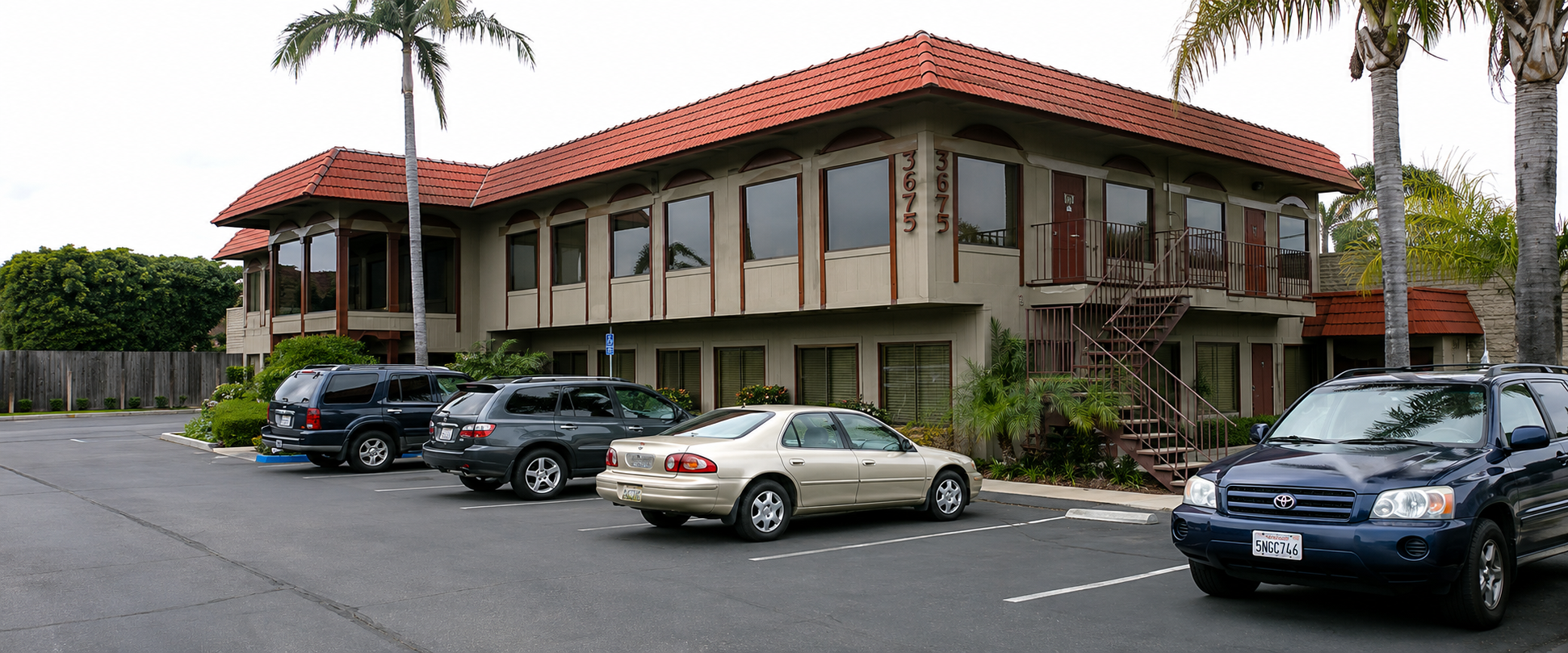
A few years back, a freelance friend of mine got a nasty surprise. She’d been running her consulting business from her apartment in San Diego County and used her home address on her LLC paperwork. Then a client mailed a signed contract… to the wrong unit, and her neighbor casually mentioned he’d seen her name and home address on public business filing sites. That’s when she started looking into a proper business address instead of just using her kitchen table as HQ.
If you’re in a similar spot — running a business out of El Cajon, CA, but not thrilled about plastering your home address across the internet — you’ve probably searched for something like a professional mailing solution in the area. Let’s actually unpack what that means, because there’s more nuance here than most listicles bother to explain.
Quick Answer
An El Cajon business address is a physical, commercial street address in El Cajon, California that a company uses for mail, official registration, and public-facing purposes instead of a residential address. It’s usually provided through a virtual office, coworking space, or registered agent service, and it typically includes mail handling, and sometimes call answering or occasional meeting room access. It doesn’t require you to actually work from that location day to day.
What Is an El Cajon Business Address, Exactly?
At its core, this is just a commercial mailing address located in El Cajon that a business — often a sole proprietor, LLC, or small startup — puts on its website, business cards, state filings, and Google Business Profile. The company behind it (a coworking operator, executive suite provider, or virtual office company) leases you the right to use that address, even though you might never set foot in the building.
It’s different from a P.O. Box in one important way: most banks, licensing boards, and states don’t accept P.O. Boxes for official business registration. A real street address, staffed by a receptionist or mail handler, generally does the trick.
El Cajon itself sits in East San Diego County, and it’s grown into a legitimate small-business hub over the last decade — plenty of retail, service companies, and remote-first businesses call it home even if their “office” is really just a laptop and a coffee shop.
How It Actually Works
Here’s the practical flow, stripped of marketing fluff:
- You sign up with a provider (Regus, Alliance Virtual Offices, a local coworking space like East County Biz Center, etc.) that operates a real building in or near El Cajon.
- They give you a suite or unit number at their address — this becomes your official business address.
- Mail sent to that address gets collected, and depending on your plan, either scanned and emailed to you, held for pickup, or physically forwarded.
- You use the address on your Secretary of State filings, IRS paperwork, business licenses, and marketing materials.
- If your plan includes it, you can book a desk, private office, or meeting room by the hour or day whenever you actually need in-person space.
Most contracts run month-to-month or on a 12-24 month term, and pricing swings quite a bit depending on how much service is bundled in.
Main Features You’ll Typically Get
- A real street address — not a P.O. Box, which matters for LLC registration and banking
- Mail receipt and forwarding — scanned copies, physical forwarding, or in-person pickup
- Optional phone answering — a local number with a live receptionist, in some packages
- Occasional workspace access — day passes, hot desks, or a few days a month in a private office
- Meeting room bookings — useful if you need to meet a client face-to-face without inviting them to your living room
- A more credible online presence — a commercial address tends to look more established on a website footer or Google listing than “PO Box 1420”
Not every provider bundles all of these. Some are stripped-down mail-only services; others are full coworking memberships that happen to include the address as a bonus.
Pros and Cons
Pros:
- Keeps your home address off public business filings, which matters a lot if you’re a solo founder or freelancer worried about privacy
- Adds a layer of professionalism, especially for client-facing businesses
- Usually cheaper than leasing actual office space
- Flexible — most plans are month-to-month, so you’re not locked into a long commercial lease
- Gives out-of-town or fully remote businesses a genuine local presence in El Cajon
Cons:
- Recurring cost, even if you never use the physical space — this adds up over a year
- Some banks and licensing bodies are picky and may ask for proof it’s not “just a mail drop,” so you’ll want to check requirements before you sign anything
- Mail delays can happen, especially with scan-and-forward services during busy periods
- Not a substitute for a registered agent if your state requires one separately (these are sometimes bundled, sometimes not)
- If the provider’s building closes or changes hands, you might need to update your address on file with the state, which is more paperwork than people expect
Real-World Scenarios Where This Actually Makes Sense
Picture a small online retail business — say, someone selling handmade goods on Etsy and Shopify from home in El Cajon. Listing a home address for LLC purposes means it’s technically searchable by anyone. Switching to a business address at a local coworking spot solves that instantly, and it costs less than most people assume.
Or think about a consultant who travels often but wants a fixed, professional-looking mailing address for invoices and contracts. A virtual office in El Cajon lets them keep a consistent presence even while bouncing between cities.
On the flip side, I’ve also seen small local businesses — a landscaping company, for instance — sign up for a fancy virtual address package with meeting rooms and call answering, and then never use any of it beyond the mailing piece. In that case, a cheaper mail-only plan would have made more sense. It really depends on how much of the bundled service you’ll genuinely use.
Safety, Privacy, and Legitimacy: Is It Actually Legal?
Yes, using a commercial address for your business is completely legal in California, as long as the provider allows it and discloses it properly. The IRS, the California Secretary of State, and most banks accept a legitimate commercial mailing address for business registration.
That said, a couple of caveats matter here:
- If you’re forming an LLC in California, you still need a registered agent with a physical (not virtual) address in the state who can accept legal service of process during business hours. Some virtual office providers also offer registered agent services, but it’s not automatic — confirm this separately.
- Using a virtual address purely to obscure business activity from regulators or customers in a misleading way can create legal trouble, separate from the address itself being legitimate.
- Read the provider’s terms carefully. A handful of low-cost “address only” services have gotten flagged by USPS for mail fraud concerns when too many unrelated businesses list the exact same suite number without any real relationship to the building. Stick with established, well-reviewed providers.
For privacy specifically, this is genuinely one of the better tools available to small business owners. Public LLC and DBA filings are searchable, so anyone curious enough can pull up your home address if that’s what’s on file. A commercial address closes that gap.
Common Problems and Limitations
A few things trip people up:
- Assuming it replaces a registered agent. It often doesn’t, unless explicitly stated.
- Underestimating mail delays. Scan-and-forward isn’t instant; expect a day or two of lag, sometimes longer around holidays.
- Not checking bank requirements first. Some banks want to see a lease or utility bill tied to the address, which a virtual office plan might not provide in the format they expect. Call your bank before committing.
- Forgetting to update the address everywhere. Website, Google Business Profile, state filings, IRS records, invoices — missing one creates inconsistency that can look sketchy to customers or auditors.
How It Compares to Alternatives
| Option | Physical Presence | Cost | Best For |
| Home address | Yes (yours) | Free | Very early-stage, privacy not a concern |
| P.O. Box | No | Low | Personal mail, not accepted for most LLC filings |
| Virtual/business address (El Cajon) | No (usually) | Moderate | Privacy + professional image without a lease |
| Full office lease | Yes | High | Businesses needing daily physical space |
| Registered agent service only | No | Low-moderate | Legal compliance, not marketing address |
An Honest, Practical Opinion
Having looked into a fair number of these services over the years, my take is this: a business address in El Cajon is a smart, low-risk move for solo founders, consultants, and small e-commerce operations who want privacy and a bit of polish without committing to real estate. It’s not some magic growth hack, and it won’t make your business more legitimate on its own — good service and reliable delivery do that. But it removes one real, practical headache: your home address sitting on a public government record.
Where I’d push back is on people who buy the priciest bundled package “just in case.” If you’re not going to use the meeting rooms or the phone answering, don’t pay for them. Start with a basic mail-forwarding plan and upgrade only if you actually need the extras.
Final Verdict
If privacy, professionalism, or simple flexibility matter to your El Cajon-based business, a virtual or commercial business address is worth the modest monthly cost. It’s legitimate, widely used, and solves a real problem for home-based entrepreneurs. Just pair it with a proper registered agent if your state requires one, and read the fine print before signing a longer contract.
Check out our full guide on setting up a virtual office in El Cajon.
FAQs
Q: Can I use a virtual business address in El Cajon to register my LLC?
A: Yes, in most cases, as long as it’s a real commercial street address and not a P.O. Box. You may still need a separate registered agent with a physical California address for legal notices.
Q: Is an El Cajon business address the same as a registered agent address?
A: Not necessarily. A business address is for general mail and public listing; a registered agent address is specifically for receiving legal documents and is a separate legal requirement in most states.
Q: How much does a business address in El Cajon typically cost?
A: Basic mail-only plans can start around $30-50 a month, while full virtual office packages with call answering and workspace access often run $75-150+ a month, depending on the provider.
Q: Will banks accept a virtual business address for opening a business bank account?
A: Many will, but policies vary by bank. It’s worth calling ahead and asking what proof of address they require before you apply.
Q: Is it safe to use a shared commercial address for my business?
A: Generally yes, if you go with an established, reputable provider. Avoid unusually cheap services where dozens of unrelated businesses are all listed at the same suite number, since that can trigger mail-handling issues.
Q: Can I get mail forwarded to my home from an El Cajon business address?
A: Most providers offer this as an add-on or built into higher-tier plans — mail gets scanned and emailed, physically forwarded, or held for pickup, depending on what you choose.
