

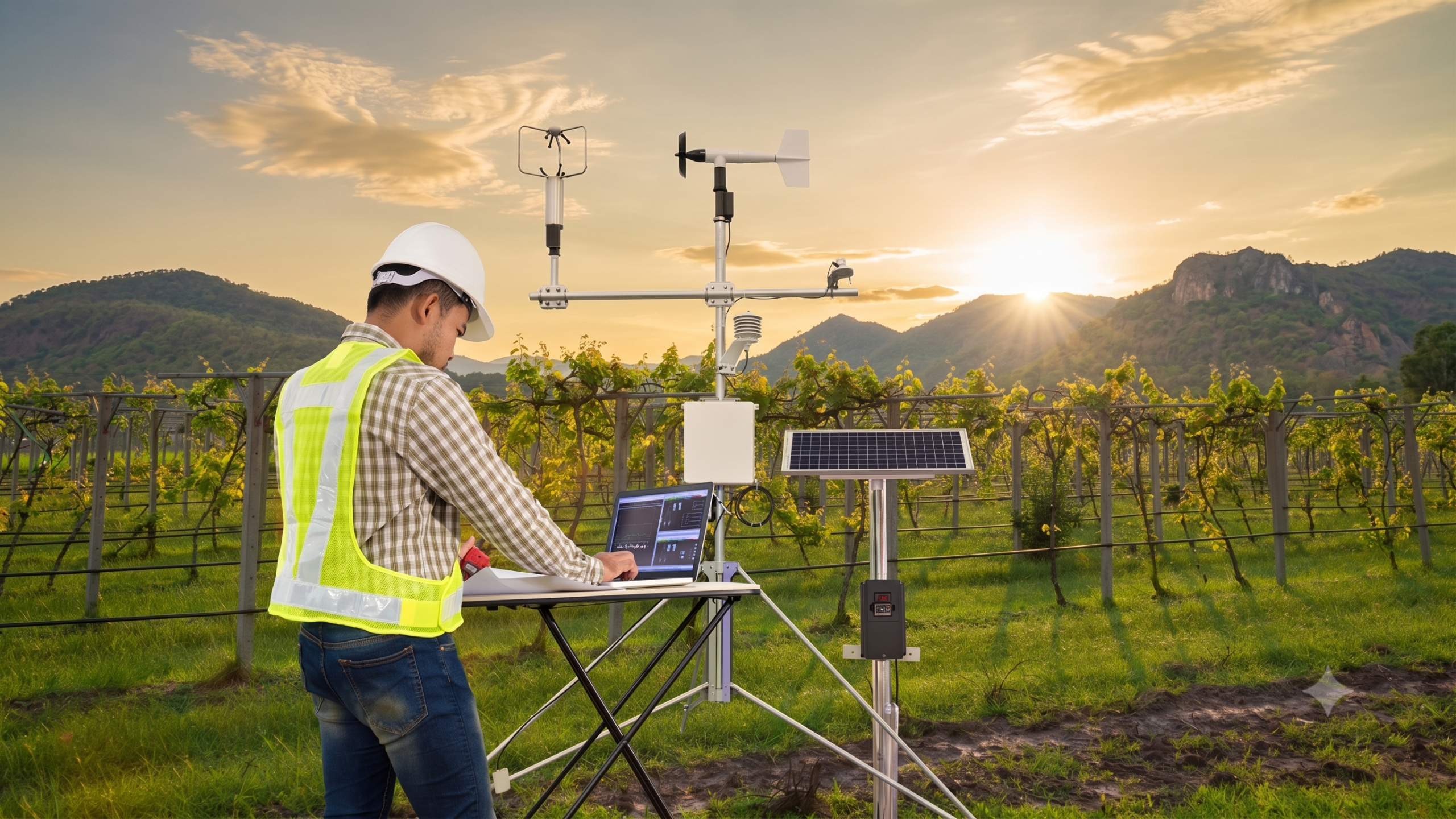
Have you ever walked into a greenhouse full of healthy plants on a freezing morning or stepped inside a hospital where the air felt clean and comfortable? It’s easy to take those moments for granted. Behind them, though, there’s a carefully managed system working every second to keep conditions just right.
That’s where environmental control technology comes in. It quietly manages air, temperature, humidity, lighting, and even water quality across homes, workplaces, farms, factories, and healthcare facilities. Most people never notice it until something goes wrong. A broken cooling system, poor ventilation, or excess moisture can quickly turn a comfortable space into an unhealthy one.
Let’s take a closer look at how this technology works, why it matters, and where it’s making the biggest difference today.
What Is Environmental Control Technology?
Environmental control technology refers to the systems and equipment designed to monitor and regulate environmental conditions within a specific space. The goal is simple: create an environment that’s safe, comfortable, energy-efficient, and suitable for whatever activity takes place there.
Depending on the setting, these systems may control:
- Indoor temperature
- Humidity levels
- Air circulation
- Ventilation
- Air quality
- Lighting
- Water management
- Carbon dioxide levels
A family home doesn’t need the same level of environmental control as a pharmaceutical laboratory. Each environment has its own requirements, and modern technology makes it possible to maintain those conditions with remarkable precision.
Why Environmental Conditions Matter More Than Most People Think
People often focus on visible problems, but invisible factors usually have the biggest impact.
Poor ventilation can allow harmful pollutants to build up indoors. High humidity encourages mold growth. Dry air irritates the skin and respiratory system. Excessive heat reduces productivity, while unstable temperatures can damage expensive equipment or stored products.
I’ve seen office buildings where employees constantly complained about headaches, only to discover the ventilation system hadn’t been properly maintained for years. Once airflow improved, the complaints almost disappeared.
Small adjustments often create surprisingly big improvements.
The Main Components of Environmental Control Systems
Modern systems combine several technologies that work together rather than independently.
Temperature Control
Heating and cooling equipment keeps indoor temperatures stable throughout the year.
This usually includes:
- Heat pumps
- Air conditioning systems
- Boilers
- Smart thermostats
- Radiant heating
Smart controls can now learn daily routines, reducing unnecessary energy use without sacrificing comfort.
Ventilation Systems
Fresh air is essential.
Ventilation removes stale indoor air while bringing in filtered outdoor air. In many commercial buildings, mechanical ventilation helps reduce airborne contaminants and keeps oxygen levels balanced.
Proper airflow also helps prevent moisture buildup inside walls and ceilings.
Humidity Management
Humidity isn’t something most people think about until it becomes uncomfortable.
Too much moisture creates ideal conditions for mold and bacteria. Too little can dry out furniture, flooring, and even people’s skin.
Humidifiers and dehumidifiers help maintain healthy indoor humidity levels throughout changing seasons.
Air Filtration and Purification
Indoor air often contains:
- Dust
- Allergens
- Smoke particles
- Bacteria
- Volatile organic compounds (VOCs)
High-efficiency filters, UV purification systems, and air cleaners help remove many of these contaminants before they circulate throughout a building.
Smart Sensors Are Changing Everything
Years ago, environmental systems mostly relied on timers or manual adjustments.
Now sensors constantly collect data, including:
- Temperature
- Humidity
- Air pressure
- Carbon dioxide concentration
- Occupancy
- Outdoor weather conditions
Instead of waiting for someone to notice a problem, the system reacts automatically.
For example, if a conference room fills with people, carbon dioxide levels naturally rise. Smart ventilation increases fresh airflow without anyone touching a control panel.
It’s one of those improvements you rarely notice—but you’d definitely notice if it stopped working.
Where Environmental Control Technology Is Used
The applications stretch far beyond office buildings.
Residential Homes
Homeowners use environmental control systems to improve comfort while reducing utility bills.
Common examples include:
- Smart thermostats
- Whole-house ventilation
- Air purification units
- Automated humidity control
- Zoned heating and cooling
Many families also connect these systems with smart home platforms for remote monitoring.
Healthcare Facilities
Hospitals operate under strict environmental standards.
Operating rooms, laboratories, and patient wards require carefully managed airflow, pressure, and filtration to reduce infection risks and maintain sterile conditions.
Even small environmental changes can affect patient safety.
Agriculture and Greenhouses
Modern farming depends heavily on controlled environments.
Greenhouses automatically regulate:
- Temperature
- Humidity
- Irrigation
- Lighting
- Carbon dioxide levels
This allows crops to grow consistently even when outdoor weather becomes unpredictable.
Some growers can produce vegetables year-round because these systems recreate ideal growing conditions.
Manufacturing Facilities
Factories often need very specific environmental settings.
Electronics manufacturing requires dust-free conditions. Food processing demands temperature control. Pharmaceutical production depends on tightly regulated clean rooms.
Without reliable environmental systems, product quality could quickly decline.
Data Centers
Servers generate enormous amounts of heat.
Cooling systems operate continuously to prevent overheating, maintain equipment reliability, and reduce costly downtime.
A cooling failure lasting only a few minutes can create serious operational problems.
Energy Efficiency Is Becoming a Bigger Priority
Energy prices continue to rise, and businesses want lower operating costs without sacrificing performance.
Modern environmental systems help by:
- Adjusting airflow automatically
- Running equipment only when needed
- Monitoring occupancy
- Recovering waste heat
- Optimizing energy consumption throughout the day
These improvements reduce electricity use while maintaining consistent indoor conditions.
Many organizations discover that upgrading outdated systems pays for itself over time through lower energy bills.
Environmental Benefits Beyond Energy Savings
Reducing energy use is only part of the picture.
Today’s systems also contribute by:
- Lowering greenhouse gas emissions
- Improving indoor air quality
- Conserving water
- Supporting sustainable building design
- Reducing unnecessary waste
Many green building certifications reward efficient environmental management because healthier buildings benefit both occupants and the planet.
Challenges That Still Exist
No technology is perfect.
Installing advanced systems often requires a significant upfront investment. Older buildings may need structural upgrades before modern equipment can be added.
Regular maintenance is another important factor.
Filters need replacing. Sensors require calibration. Mechanical components eventually wear out.
Skipping maintenance usually leads to reduced efficiency and higher repair costs later.
There’s also the issue of cybersecurity. As building systems become connected to networks, protecting them from unauthorized access becomes increasingly important.
What the Future Looks Like
Environmental systems are becoming smarter every year.
Artificial intelligence may receive plenty of attention, but practical automation is already transforming buildings.
Future systems will likely:
- Predict maintenance before equipment fails
- Learn occupant behavior more accurately
- Integrate renewable energy sources
- Adjust automatically based on weather forecasts
- Provide detailed energy performance reports
Instead of simply reacting to environmental changes, they’ll anticipate them.
That’s a major shift in how buildings operate.
Choosing the Right Environmental Control Solution
Every building has different needs, so there’s rarely a one-size-fits-all answer.
Before investing in new equipment, consider:
- Building size
- Climate conditions
- Energy goals
- Occupancy levels
- Maintenance requirements
- Future expansion plans
A well-designed system should improve comfort without creating unnecessary complexity.
Sometimes the simplest solution turns out to be the most reliable.
Final Thoughts
Good environmental management often goes unnoticed, and honestly, that’s a sign it’s working well.
From healthier homes to productive workplaces and efficient greenhouses, environmental control technology supports everyday life in ways most of us never stop to think about. The best systems quietly maintain comfort, protect equipment, reduce waste, and save energy without demanding constant attention.
As buildings become smarter and sustainability becomes more important, this technology will continue evolving. And while most people may never see the sensors or control panels behind the scenes, they’ll certainly appreciate the healthier, safer, and more comfortable spaces they create.
Learn about more blogs: avhsd-fire-technology
Frequently Asked Questions
What is environmental control technology used for?
It’s used to regulate indoor conditions such as temperature, humidity, ventilation, lighting, and air quality in homes, commercial buildings, hospitals, factories, greenhouses, and many other environments.
How does environmental control improve indoor air quality?
It improves air quality by circulating fresh air, filtering airborne particles, controlling humidity, and reducing pollutants that can build up inside enclosed spaces.
Is environmental control technology expensive to install?
Costs vary depending on the size of the building and the complexity of the system. While installation can require a significant investment, many property owners recover those costs through lower energy bills and improved efficiency over time.
Can smart home systems include environmental controls?
Yes. Many modern homes combine smart thermostats, air quality sensors, humidity controls, and automated ventilation into one connected system that homeowners can monitor from a smartphone.
Why is humidity control important?
Balanced humidity helps prevent mold growth, protects furniture and building materials, improves comfort, and supports healthier indoor air for occupants.
