

There’s a moment that sneaks up on a lot of people.
You’re reading a menu in a dim café, stretching your arm farther than usual. You increase text size on your phone “just for convenience.” Then one day you borrow someone’s reading glasses and suddenly everything becomes sharp again.
But there’s a catch.
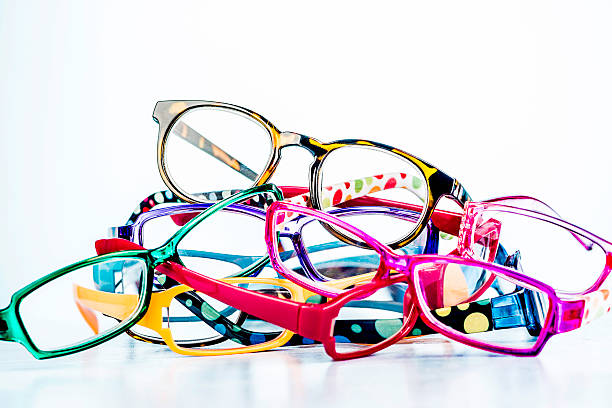
Traditional readers often feel clinical, plain, or like something you’re not emotionally ready to wear. That’s where fashion reading glasses entered the conversation—not as a medical device replacement, but as something people actually want to put on.
Today, stylish reading eyewear sits somewhere between vision support and personal style. Some pairs look almost indistinguishable from designer optical frames. Others lean bold, minimal, retro, or modern.
So are they useful, or mostly aesthetic?
This guide takes a practical, experience-first look.
Quick Answer
Fashion reading glasses are non-prescription or pre-magnified reading glasses designed to improve near vision while also functioning as a style accessory. They can help people experiencing age-related close-up focusing difficulty, but they are not suitable for every eye condition and should not replace proper eye exams.
For the right person, they can make reading, screen use, hobbies, and everyday tasks noticeably easier.
What Are Fashion Reading Glasses?
At their core, these are reading glasses that prioritize appearance as much as function.
Standard readers usually focus on utility: magnification, affordability, and basic frame shapes.
Stylish readers keep those benefits but add:
- Trend-conscious frame designs
- Better materials
- More color options
- Lightweight construction
- Blue-light filtering in some models
- Frames designed to complement face shape
Most are sold with fixed magnification strengths such as:
- +1.00
- +1.50
- +2.00
- +2.50
- +3.00
These numbers indicate how much optical power assists close-up vision.
People often assume stylish means less functional.
That’s not necessarily true.
Many modern readers perform similarly to traditional over-the-counter readers while simply looking better.
Why People Start Using Reading Glasses in the First Place
The need usually begins with something called presbyopia.
This isn’t a disease.
It’s a normal age-related change where the eye gradually becomes less flexible and has a harder time focusing up close.
Common signs include:
- Holding books farther away
- Blurry text at normal reading distance
- Eye strain
- Headaches after reading
- Difficulty reading labels
- Needing brighter lighting
For many people, this starts somewhere in the early-to-mid 40s.
That’s often when stylish reader options become attractive because people don’t necessarily want their eyewear to feel “medical.”
How They Work
The mechanics are surprisingly simple.
Reading glasses use convex lenses.
These lenses bend incoming light slightly so nearby objects become easier for your eyes to focus on.
When reading:
- Light enters the lens.
- Magnification changes how images reach the eye.
- Your eyes work less to focus.
- Text appears clearer.
That’s the basic idea.
Some premium models include extras:
- Anti-reflective coating
- Scratch resistance
- UV protection
- Blue-light filtering
- Spring hinges
- Aspheric lenses for thinner appearance
Those additions don’t necessarily improve vision correction itself—but they may improve comfort and usability.
Main Features That Actually Matter
A lot of marketing around eyewear focuses on appearance.
In practice, these are the features worth paying attention to.
Frame Comfort
A beautiful frame becomes annoying fast if it slides or pinches.
Good signs:
- Balanced weight
- Comfortable nose support
- Flexible temples
People often underestimate comfort until they wear readers for an hour straight.
Lens Quality
Cheap lenses sometimes create subtle distortion.
Watch for:
- Clear edge-to-edge vision
- Minimal glare
- Consistent magnification
If text looks warped at the edges, lens quality may be the issue.
Face Shape Compatibility
Frame styling matters more than trends.
General guidelines:
- Round faces → angular frames
- Square faces → softer curves
- Oval faces → flexible options
- Heart-shaped faces → lighter lower profiles
Rules aren’t absolute.
Sometimes the pair that “shouldn’t work” becomes the favorite.
Material Choices
Common frame materials:
Plastic
Affordable and lightweight.
Acetate
Usually feels more premium and durable.
Metal
Slim and minimalist.
Mixed Materials
Blend comfort with appearance.
Blue-Light Filtering
This feature gets marketed heavily.
Reality is more nuanced.
Blue-light coatings may reduce perceived glare for some users, but they are not proven cures for digital eye strain.
Comfort improvements often come from blinking more, adjusting brightness, and taking breaks.
Who Are They Best For?
These glasses tend to work best for people who:
- Read frequently
- Work at desks
- Use phones extensively
- Sew, craft, sketch, or build models
- Travel and want portable readers
- Experience mild near-vision blur
They may be especially appealing for people who resisted reading glasses because they disliked traditional designs.
One surprisingly common scenario:
Someone buys a stylish pair because they like the look—and ends up wearing them consistently because they finally remember to carry them.
Pros and Cons
No product category is perfect.
Pros
Better Reading Comfort
Text often feels instantly easier to process.
More Confidence Wearing Glasses
People tend to wear glasses more consistently when they enjoy how they look.
Affordable Entry Point
Over-the-counter readers can cost far less than custom prescription lenses.
Easy to Own Multiple Pairs
Desk pair. Kitchen pair. Travel pair.
It happens.
Cons
Not Personalized
Pre-made magnification isn’t tailored to each eye.
Can Mask Vision Changes
Clearer reading doesn’t mean overall eye health is fine.
Limited Distance Use
These aren’t designed for driving or seeing far away.
Variable Quality
Two pairs with identical magnification can feel completely different.
Real-World Situations Where They’re Surprisingly Useful
Theory is one thing.
Daily life tells a better story.
Reading Menus in Restaurants
Low lighting plus small fonts creates a perfect storm.
A lightweight pair makes a noticeable difference.
Phone and Tablet Use
Text-heavy apps become less tiring.
Though sometimes increasing font size solves half the problem.
Hobbies
People involved in:
- Knitting
- Electronics
- Miniature painting
- Journaling
- Crosswords
often notice immediate benefits.
Work Environments
Professionals reading documents all day may appreciate having dedicated readers at their desk.
Safety and Legitimacy: Are They Actually Safe?
Short answer:
Usually yes—when used appropriately.
Reading glasses themselves do not damage healthy eyes.
That myth has been around for years.
However, there are some important limitations.
Use caution if you experience:
- Double vision
- Sudden blurry vision
- Persistent headaches
- Major differences between eyes
- Eye pain
Those situations deserve professional evaluation.
Another thing people misunderstand:
If readers feel “too strong,” they won’t permanently worsen vision—but they can create discomfort and strain.
Common Problems People Run Into
Even good readers can create frustration.
Magnification Guessing
People often buy stronger lenses than needed.
Stronger isn’t automatically better.
Forgetting Working Distance
Reading glasses are optimized for specific distances.
Book distance differs from computer distance.
Cheap Hinges
One dropped pair and the frame twists forever.
Not ideal.
Overusing Them
Some people keep readers on while walking around and wonder why distance feels strange.
That’s expected.
Comparison With Alternatives
Reading Glasses vs Prescription Readers
Prescription options offer:
- Custom correction
- Better alignment
- Astigmatism support
Readers offer:
- Convenience
- Lower cost
- Immediate availability
Reading Glasses vs Progressive Lenses
Progressives combine multiple distances.
Advantages:
- One pair
Trade-offs:
- Adaptation period
- Higher cost
Reading Glasses vs Increasing Screen Size
Sometimes software beats hardware.
Before buying glasses for digital reading:
- Increase font size
- Improve lighting
- Reduce screen glare
Simple changes occasionally solve the problem.
Practical Expert-Style Opinion
After looking at how people actually use reading glasses—not just how brands advertise them—the biggest difference isn’t usually optical.
It’s consistency.
People wear things they enjoy wearing.
That sounds obvious, but it matters.
If someone buys plain readers and leaves them in a drawer, they help nobody.
If a stylish pair becomes part of daily routine, that convenience alone creates value.
That said:
Appearance shouldn’t outrank comfort or visual clarity.
A frame that looks incredible but causes headaches loses fast.
A balanced approach works best.
Try fit first.
Style second.
Features third.
Are Fashion Reading Glasses Worth It?
For many adults experiencing normal close-up vision changes:
Yes.
Not because they transform eyesight.
Not because they’re trendy.
Because they reduce friction.
They make reading easier and remove some of the reluctance people feel around wearing readers.
Still, they’re not a replacement for eye care.
If your vision changes suddenly or feels unusual, a professional evaluation matters more than frame design.
The best pair is usually the one that feels comfortable enough that you forget you’re wearing it.
A Complete Overview of: fashion reading glasses
Frequently Asked Questions
Q: Can fashion reading glasses damage your eyes?
A: No. Wearing reading glasses does not weaken your eyes permanently. Incorrect strength may cause temporary discomfort or eye fatigue.
Q: Do I need a prescription for reading glasses?
A: Not always. Many people use over-the-counter readers for mild near-vision support. Prescription lenses may be better if each eye needs different correction.
Q: What age do most people start needing reading glasses?
A: Many adults notice changes somewhere between ages 40 and 50, though timing varies.
Q: Can I wear reading glasses all day?
A: You can, but many people prefer removing them when looking at distant objects because close-up magnification may feel uncomfortable.
Q: Are expensive reading glasses better?
A: Not automatically. Higher price may improve materials, durability, and finish, but comfort and lens quality matter more than branding.
Q: Are blue-light reading glasses worth buying?
A: They may improve comfort for some users, but they are not a guaranteed solution for digital eye strain.
Q: How do I choose the right strength?
A: Start with the lowest magnification that allows comfortable reading. If you’re unsure, an eye exam is usually the fastest way to avoid trial and error.
Q: Can stylish readers replace prescription glasses?
A: No. They can work for simple near-vision needs but are not substitutes for individualized prescriptions when correction is more complex.
