

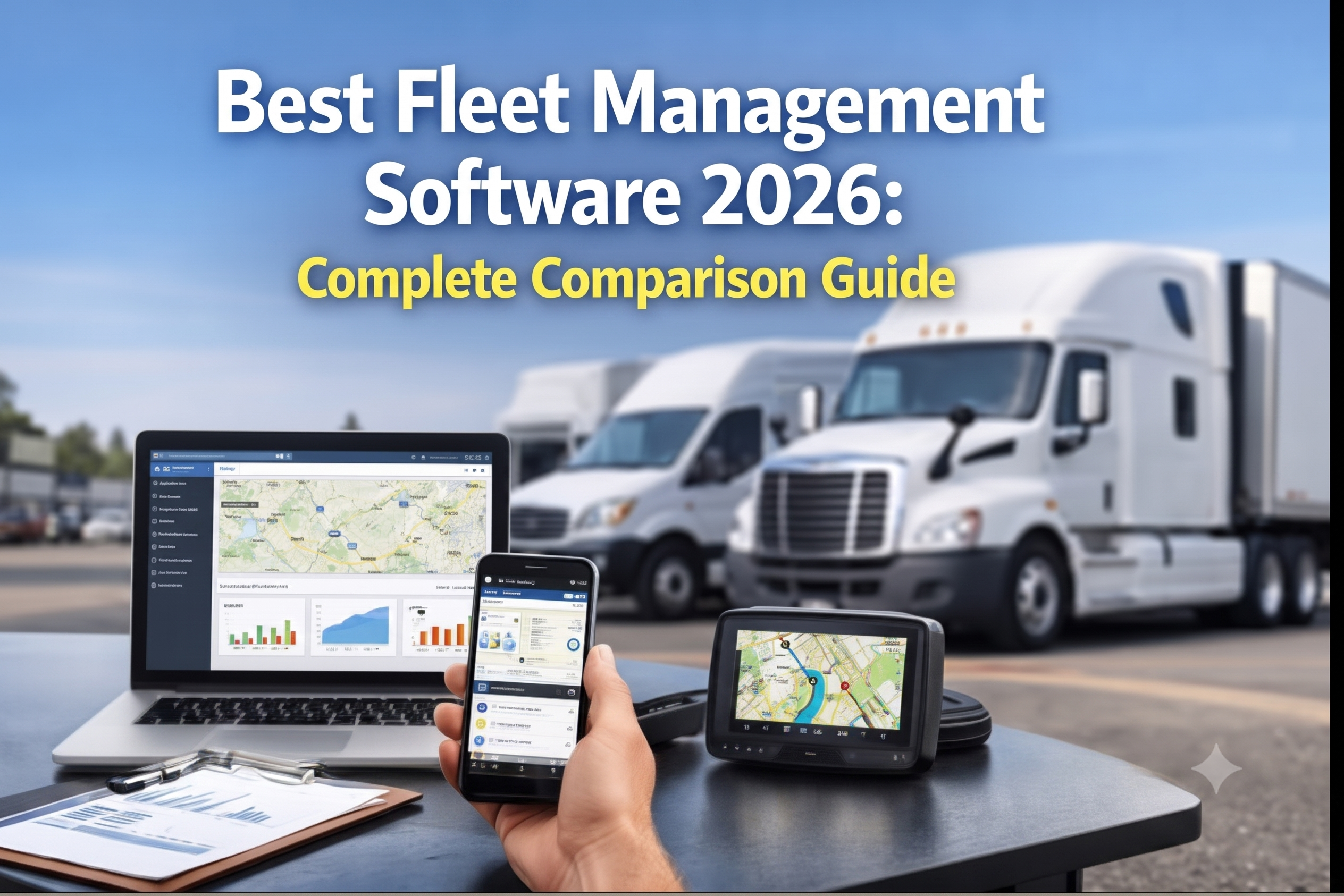
A few years ago, tracking company vehicles meant little more than checking a map and hoping drivers stayed on schedule. That doesn’t cut it anymore.
Whether it’s a delivery van making dozens of stops a day or a construction company managing equipment across multiple sites, businesses now expect much more than simple GPS tracking. They want better fuel control, safer driving habits, lower maintenance costs, and data they can actually use.
That’s why choosing the right fleet management technology providers 2026 isn’t just an IT decision anymore. It affects operations, customer satisfaction, and even profit margins. And with so many platforms promising similar features, separating real value from marketing claims takes a closer look.
Why Fleet Management Has Changed So Much
The modern fleet isn’t just about vehicles. It’s about people, software, sensors, mobile apps, and constant communication.
Managers no longer want reports at the end of the week. They expect real-time visibility into where every vehicle is, how it’s being driven, and whether it’s operating efficiently.
At the same time, customers have become less patient. Faster deliveries, accurate ETAs, and reliable service are expected rather than appreciated.
That’s pushed technology providers to build platforms that combine multiple business tools into one dashboard.
What Modern Fleet Platforms Actually Do
If you haven’t looked at fleet software in a few years, you’ll probably be surprised by how much has changed.
Today’s systems often include:
- Live GPS vehicle tracking
- Driver behavior monitoring
- Route optimization
- Fuel usage analytics
- Preventive maintenance scheduling
- Dashcam integration
- Electronic logging compliance
- Asset and trailer tracking
- Mobile apps for drivers
- Automated reporting
The goal isn’t collecting more data.
It’s making everyday decisions easier.
Features That Matter Most in 2026
Real-Time Visibility
Knowing where every vehicle is has become the starting point rather than the selling point.
Managers also want alerts when vehicles stop unexpectedly, leave approved routes, or arrive late.
That level of visibility helps reduce delays before they become customer complaints.
Predictive Maintenance
Unexpected repairs are expensive.
New fleet systems monitor engine diagnostics, mileage, operating hours, and fault codes to identify maintenance issues before breakdowns happen.
Many businesses discover they save more on repair costs than they spend on the software itself.
Driver Safety Monitoring
Safe drivers usually cost companies less.
Modern systems measure things like:
- Harsh braking
- Rapid acceleration
- Speeding
- Excessive idling
- Distracted driving events
Instead of punishing drivers, many companies now use this data for coaching and incentive programs.
Fuel Management
Fuel remains one of the biggest operating expenses for most fleets.
Technology platforms now analyze:
- Idle time
- Route efficiency
- Fuel purchases
- Engine performance
- Driver habits
Small improvements across dozens—or hundreds—of vehicles often add up to significant annual savings.
Smarter Route Planning
Traffic changes every hour.
Weather changes every day.
Construction projects appear without warning.
Modern routing software continuously adjusts routes based on live road conditions instead of relying on fixed schedules created days earlier.
Drivers spend less time sitting in traffic and more time completing jobs.
Cloud-Based Platforms Continue to Dominate
Most businesses no longer want software installed on office computers.
Cloud-based platforms allow managers to check their fleets from anywhere.
I’ve spoken with operations teams who barely visit headquarters anymore. They review reports on their phones while traveling between customer sites, and honestly, that’s becoming the normal way of working.
Automatic updates also remove the hassle of maintaining complicated software.
AI Isn’t the Selling Point—Better Decisions Are
People often get distracted by buzzwords.
The reality is much simpler.
The best software quietly analyzes patterns and highlights useful recommendations without overwhelming users.
Instead of scrolling through hundreds of reports, managers receive alerts such as:
- A vehicle may require service next week.
- Fuel consumption has increased unexpectedly.
- One driver consistently takes longer routes.
- Idle time has doubled compared to last month.
Good technology saves time by reducing unnecessary decisions.
Integration Has Become a Major Buying Factor
Fleet software rarely works alone anymore.
Businesses increasingly connect their fleet platform with:
- Accounting software
- Payroll systems
- CRM platforms
- Inventory management tools
- Dispatch software
- ERP systems
- Fuel card providers
The fewer manual data entries employees make, the fewer mistakes happen.
Industries Seeing the Biggest Benefits
Fleet technology isn’t limited to logistics companies anymore.
Many industries now depend on connected fleet platforms every day.
Delivery Services
Faster route planning helps drivers complete more deliveries while reducing fuel costs.
Construction
Companies monitor trucks, heavy machinery, trailers, and expensive equipment from one system.
Utilities
Electricity, water, gas, and telecommunications providers dispatch technicians more efficiently when vehicle locations update in real time.
Healthcare
Medical transportation companies improve scheduling while maintaining better arrival accuracy.
Field Service Businesses
HVAC, plumbing, pest control, landscaping, and maintenance companies often reduce travel time simply by assigning the closest technician to each new job.
Common Mistakes Businesses Make When Choosing a Provider
Price usually gets the most attention.
Ironically, it shouldn’t.
A cheaper platform that lacks reporting, support, or reliable hardware often creates bigger problems later.
I’ve seen companies replace an entire system within a year because employees stopped using it altogether.
Instead, focus on questions like:
- Is the dashboard easy to understand?
- Can drivers learn the mobile app quickly?
- Does customer support respond quickly?
- Can the platform grow with the business?
- Are updates included?
Those answers usually matter more than saving a few dollars per vehicle.
What Businesses Should Expect Going Forward
The next generation of fleet management technology providers 2026 is moving toward automation rather than simply offering more reports.
Managers will spend less time searching for problems because the software identifies unusual patterns automatically.
Vehicle health monitoring will become more accurate.
Connected dashcams will provide better incident analysis.
Electric vehicle fleet management will continue expanding as more organizations add EVs to their operations.
And while technology keeps evolving, the objective stays the same: reduce operating costs while keeping vehicles productive and drivers safe.
Final Thoughts
Choosing between fleet management technology providers 2026 isn’t really about finding the platform with the longest feature list.
It’s about finding software your team will actually use every day.
The best solutions simplify work instead of creating more screens, reports, and notifications. They help dispatchers make quicker decisions, give drivers better routes, and provide managers with information they can trust.
When technology quietly solves problems without getting in the way, that’s usually a sign you’ve made the right choice.
Explore More Blogs: environmental-control-technology
Frequently Asked Questions
What is a fleet management technology provider?
A fleet management technology provider develops software and hardware that help businesses monitor vehicles, drivers, fuel usage, maintenance schedules, and overall fleet performance from a centralized platform.
Is fleet management software suitable for small businesses?
Yes. Even companies with a handful of vehicles can benefit from GPS tracking, maintenance reminders, and route planning. Many providers offer scalable pricing based on fleet size.
Can fleet software reduce fuel costs?
Yes. By monitoring idling, inefficient routes, speeding, and driver behavior, businesses often identify opportunities to lower fuel consumption without reducing productivity.
Does fleet management software work with electric vehicles?
Most modern platforms support both traditional and electric vehicles. Many now include EV battery monitoring, charging status, and energy consumption reporting.
How long does it take to implement a fleet management system?
Implementation varies depending on fleet size and hardware installation. Small fleets may be operational within a few days, while larger organizations may require several weeks for deployment and staff training.
