

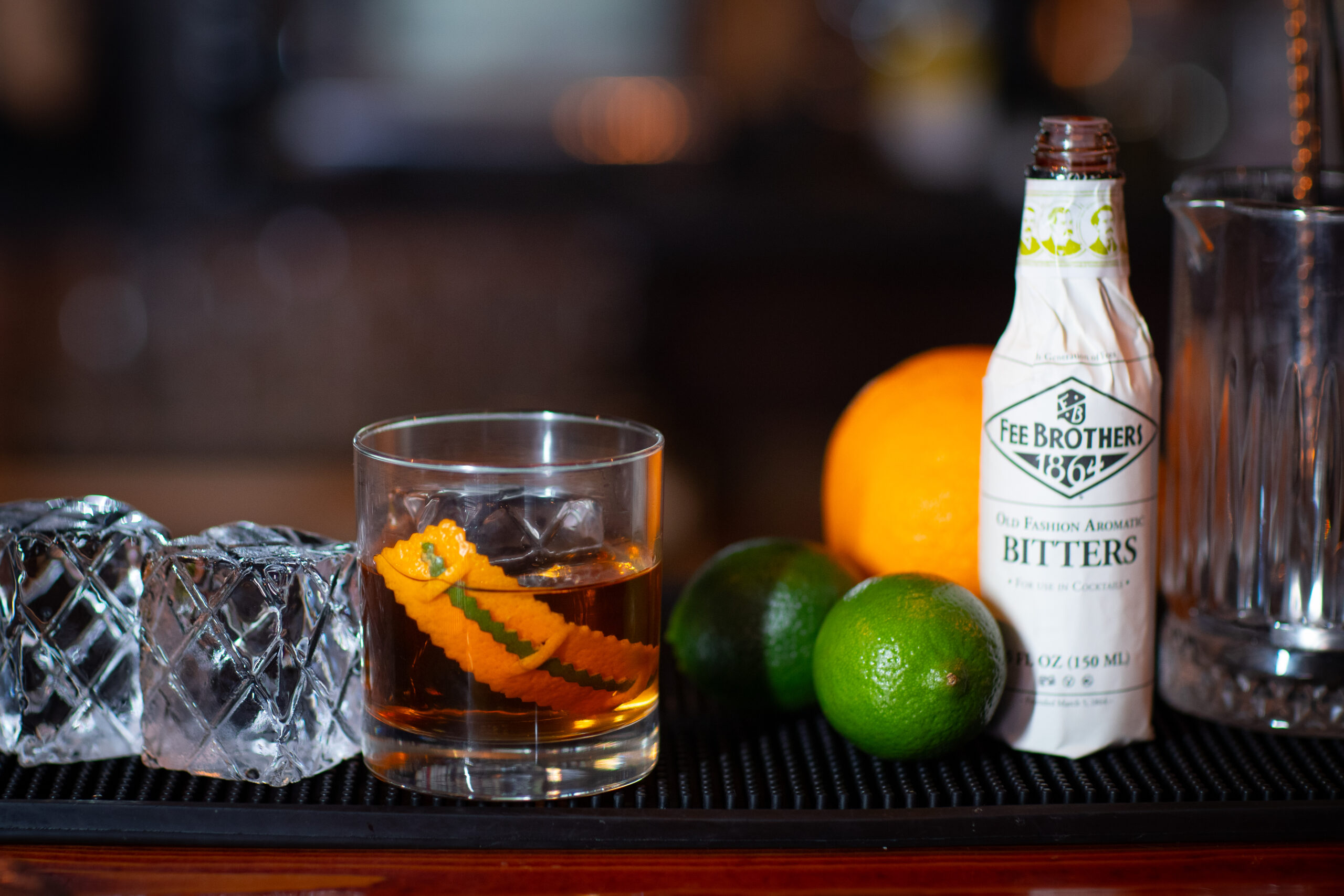
There’s a moment almost every home bartender hits — you’ve got the whiskey, the sugar, the orange peel, and you’re staring at a tiny brown bottle wondering if those few dashes actually matter. Spoiler: they do, and the difference is bigger than most people expect the first time they skip it versus the time they use it properly.
That tiny bottle is usually Angostura or some artisanal equivalent, and it’s the ingredient that turns a glass of sweetened whiskey into an actual Old Fashioned. Let’s get into what it really does, who should bother with it, and where people go wrong.
Quick Answer
Old fashioned bitters are concentrated, aromatic flavoring extracts — typically a blend of alcohol, herbs, spices, roots, and bark — used in small dashes to add depth, balance, and complexity to cocktails, most famously the Old Fashioned. They’re not meant to be consumed on their own; a few drops season a drink the way a pinch of salt seasons a dish. They’re widely available, generally safe in normal culinary use, and considered essential by most bartenders for building a properly balanced cocktail.
What Are Old Fashioned Bitters, Exactly?
At their core, bitters are an infusion — alcohol or glycerin steeped with botanicals like gentian root, citrus peel, cinnamon, clove, cardamom, or wormwood, depending on the brand. The result is intensely flavored and, true to the name, bitter. You’re not supposed to drink them by the shot; a couple of dashes (usually measured in literal drops from a dasher cap) is enough to transform an entire glass.
The term “old fashioned bitters” gets used two ways online, and it’s worth untangling that because search intent splits here:
- Sometimes people mean aromatic bitters in general — the classic style used in the Old Fashioned cocktail (Angostura being the most recognized name)
- Sometimes people specifically mean a bitters brand or blend marketed as “Old Fashioned Bitters” — a few companies literally label their product this way, positioning it as the go-to bitters for that specific drink
Either way, you’re talking about the same general category of product: a flavoring agent, not a beverage in itself.
How They Actually Work
This is the part most casual drinkers skip past. Bitters work on two levels — chemically and perceptually.
On the chemistry side, the bitter compounds (often from gentian root or similar botanicals) interact with your palate in a way that balances sweetness. An Old Fashioned without bitters is just sugar and whiskey — pleasant, but kind of flat and one-dimensional. Add a few dashes of bitters, and suddenly there’s a layer of spice and bitterness that keeps the sweetness from feeling cloying. It’s the same principle as adding a squeeze of lemon to a too-sweet dessert.
On the perceptual side, bitters also work aromatically. When you smell a glass before sipping, the aromatic oils from the bitters (orange, clove, cinnamon — whatever the blend includes) hit your nose first, which actually shapes how your brain interprets the flavor before the liquid even touches your tongue. Bartenders sometimes call this “the nose” of a drink, and it’s a real, measurable part of why a well-bittered cocktail tastes more complete.
In practical terms: you add the bitters early, usually directly onto a sugar cube or simple syrup before muddling, so the flavor distributes evenly through the drink rather than sitting on top.
Main Features and Varieties
Not all bitters are created equal, and the category has expanded a lot over the past decade thanks to the craft cocktail revival. A few features worth knowing:
- Aromatic bitters — the classic, all-purpose style (think Angostura), built around gentian, clove, and cinnamon notes. This is the default for a traditional Old Fashioned.
- Orange bitters — citrus-forward, often used alongside aromatic bitters for extra brightness.
- Specialty or boutique blends — smaller producers now make bitters flavored with everything from chocolate to smoked chili, aimed at cocktail enthusiasts who want to experiment beyond the standard recipe.
- Dasher bottles — most bitters come with a built-in dasher cap designed to release small, controlled drops rather than a free pour, which matters because over-pouring is the single most common mistake people make with this ingredient.
- Non-alcoholic or low-proof bitters — a newer category aimed at people who want the flavor complexity without the alcohol content, useful for mocktails.
I tried a smoked cherry bitters from a small Brooklyn producer a while back, expecting it to taste gimmicky — it genuinely changed how I think about what bitters can do beyond the standard orange-and-spice combo. That’s the kind of thing that’s easy to dismiss until you actually taste it side by side with the classic version.
Pros and Cons
Pros:
- A few dashes dramatically improve flavor balance in classic cocktails without adding noticeable alcohol content
- Long shelf life — properly stored bitters can last years without spoiling, since the alcohol base acts as a preservative
- Affordable relative to how long a single bottle lasts; most people go through a bottle very slowly
- Versatile beyond cocktails — some people use bitters in cooking, marinades, or even to settle an upset stomach (an old folk remedy, not a medical claim)
- Wide variety of flavors now available, making it easy to customize drinks to personal taste
Cons:
- Easy to over-pour if you’re not paying attention, which can make a drink taste medicinal or overly bitter
- Quality varies a lot between cheap mass-market bottles and small-batch producers, and price doesn’t always correlate with what you’ll personally prefer
- Some blends contain allergens or strong botanical extracts that sensitive individuals should check before regular use
- Not a substitute for good base spirits — bitters enhance a well-made drink, they don’t fix a poorly made one
Real-World Use Cases
The obvious one is the Old Fashioned itself: muddle a sugar cube with two or three dashes of bitters, add a splash of water, build over ice with bourbon or rye, and finish with an orange twist. That’s the textbook scenario, and it’s still the most common reason people search for this ingredient in the first place.
But there are other situations where it comes up. A friend of mine who doesn’t drink much whiskey straight started adding orange bitters to sparkling water with a twist of lime — basically using it as a flavor enhancer for a non-alcoholic drink, which is a genuinely underrated use case. Bartenders also use bitters in Manhattans, Sazeracs, and even some modern non-alcoholic “zero-proof” cocktails where the bitters provide complexity that would otherwise be missing without actual spirits.
For home cooks, a dash of aromatic bitters can also show up in glazes for meat, or stirred into whipped cream for desserts — it’s a small trick that professional kitchens use more often than people realize.
Safety, Legitimacy, and What to Watch For
This is where a lot of first-time buyers get unnecessarily nervous, so let’s be direct about it. Bitters are legal, widely sold in grocery stores and liquor stores, and classified differently from standard alcoholic beverages in most regions because they’re used in such small quantities — though technically most contain alcohol, sometimes a high percentage by volume.
A few practical safety notes:
- Because the alcohol content per bottle is high (often 35–45%), a few dashes in a drink contribute negligible alcohol, but the full bottle itself isn’t meant to be consumed like a beverage
- People avoiding alcohol entirely (medical, religious, or personal reasons) should check labels carefully, since most traditional bitters do contain alcohol even though the per-serving amount is tiny
- Pregnant individuals or those advised to avoid alcohol completely are generally told to skip bitters too, even in small amounts, simply out of caution — this is a “check with your doctor” situation rather than something I can responsibly resolve definitively
- Storage is simple: keep the bottle upright, away from direct sunlight, and it’ll stay good for years without refrigeration
As for legitimacy as a product category — there’s nothing shady here. It’s a long-established culinary ingredient with centuries of use in bartending and even in early medicinal tonics, which is actually where the name “bitters” historically comes from before cocktails existed in their modern form.
Common Problems and Limitations
The most frequent complaint isn’t about the product itself — it’s about technique. People either:
- Pour too much, drowning the drink in bitterness instead of balancing it
- Buy a bottle, use it twice, and forget about it in the back of a cabinet for years
- Assume all bitters taste the same and get disappointed when a cheap brand doesn’t match what a bartender used at a cocktail bar
There’s also a real limitation worth naming: bitters can’t fix bad whiskey or a poorly balanced ratio of sugar to spirit. If the base drink is off, more bitters just adds bitterness on top of an already unbalanced cocktail.
How It Compares to Alternatives
Compared to simple syrup or fruit garnishes alone, bitters add a dimension neither can replicate — that aromatic, slightly medicinal complexity. Compared to flavored syrups (like vanilla or spiced simple syrups), bitters are far more concentrated and don’t add sugar, which matters if you’re trying to keep a cocktail from becoming overly sweet. Some people substitute amaro or other bitter liqueurs for a similar effect, but those add volume and alcohol content in a way that a few dashes of true bitters won’t.
A Practical, Honest Opinion
Having actually compared drinks with and without it side by side more than once, my take is straightforward: old fashioned bitters genuinely earn their reputation. This isn’t an ingredient riding on hype — the difference between a properly bittered Old Fashioned and one without it is noticeable even to people who don’t consider themselves cocktail enthusiasts. That said, I wouldn’t tell anyone to chase expensive boutique bottles right out of the gate. Start with a standard aromatic bitters, get a feel for how a few dashes change a drink, and branch out from there once you know what you actually like.
Final Verdict
If you’re building a home bar or just want to make a proper Old Fashioned instead of a sweetened whiskey, this is one of the few ingredients that genuinely punches above its size. A single bottle lasts a long time, the cost is low relative to how often you’ll use it, and the flavor payoff is real rather than marketing fluff. It’s worth keeping in any home bar, even for people who only make cocktails occasionally.
Learn everything about old fashioned bitters
FAQs
Q: What exactly are old fashioned bitters made of?
A: Most are an alcohol-based infusion of botanicals like gentian root, citrus peel, clove, and cinnamon, concentrated into a small bottle and used in dashes rather than full pours.
Q: Can you drink bitters by themselves?
A: Technically yes, but they’re extremely bitter and not designed for that — they’re meant to season a drink in small amounts, similar to how a spice is used in cooking.
Q: Do bitters contain alcohol?
A: Most traditional bitters do, often 35–45% alcohol by volume, though the small amount used per drink contributes very little actual alcohol to the final cocktail.
Q: What’s the difference between aromatic bitters and orange bitters?
A: Aromatic bitters lean spicy and herbal (clove, cinnamon, gentian), while orange bitters are citrus-forward and often used alongside aromatic bitters for extra brightness.
Q: How many dashes of bitters should go in an Old Fashioned?
A: Most recipes call for two to three dashes, added early so the flavor distributes through the drink rather than sitting on top.
Q: How long do bitters last once opened?
A: Thanks to their high alcohol content, properly stored bitters can last for years without spoiling, even after opening.
Q: Is it safe for non-drinkers to use bitters?
A: The amount per dash is small, but most bitters do contain alcohol, so anyone avoiding alcohol entirely should check labels or look for alcohol-free alternatives.
