

Introduction
Imagine a factory where a sudden power interruption lasts only a few seconds—but those few seconds stop production, damage sensitive equipment, and cost thousands of dollars. For hospitals, data centers, semiconductor manufacturers, and research laboratories, even the shortest voltage dip can become an expensive problem.
This is where advanced energy storage technologies enter the conversation. While batteries often receive most of the attention, there’s another technology that works in a completely different way. It’s fast, highly efficient, and designed for situations where milliseconds matter more than hours.
One technology frequently discussed in industrial energy circles is smes storage. Although it isn’t something most homeowners will ever install, it plays a fascinating role in protecting critical electrical systems. Understanding how it works also helps explain why engineers continue researching superconducting energy systems despite their high cost.
Quick Answer
SMES (Superconducting Magnetic Energy Storage) is a technology that stores electricity inside the magnetic field created by a superconducting coil. Because almost no electrical resistance exists inside the coil, stored energy can be released almost instantly, making it valuable for stabilizing electrical grids and protecting sensitive industrial equipment.
Unlike traditional batteries, SMES systems prioritize extremely fast power delivery rather than long-duration energy storage.
What Is SMES Storage?
SMES stands for Superconducting Magnetic Energy Storage, an energy storage technology that stores electrical energy directly within a magnetic field instead of converting it into chemical energy.
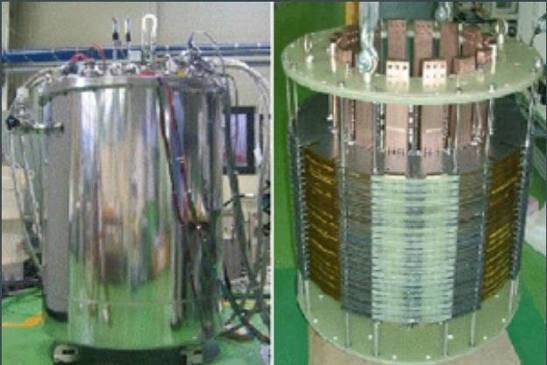
A typical system contains a superconducting coil cooled to extremely low temperatures using cryogenic equipment. Once electricity flows through this coil, the current can circulate continuously with almost zero resistance.
That means energy remains stored until the system needs to release it.
This approach is very different from:
- Lithium-ion batteries
- Lead-acid batteries
- Pumped hydro storage
- Flywheel energy storage
- Compressed air energy storage
Rather than focusing on storing electricity for several hours, SMES is designed to respond almost instantly when power quality changes.
How SMES Works
The operating principle is surprisingly elegant.
Instead of storing energy through chemical reactions, electricity is used to create a magnetic field inside a superconducting wire loop.
A simplified process looks like this:
- Electricity charges the superconducting coil.
- Cryogenic cooling keeps the coil below its superconducting temperature.
- Current continues circulating with minimal energy loss.
- When additional electricity is required, the stored magnetic energy converts back into electrical power almost immediately.
- Power electronics regulate how much energy enters or leaves the system.
The response time is measured in milliseconds, making SMES one of the fastest energy storage technologies currently available.
Why Superconductivity Matters
Normal electrical wires always have resistance.
Resistance creates heat.
Heat wastes energy.
Superconductors behave differently. When cooled to extremely low temperatures, certain materials lose nearly all electrical resistance.
Because of this property:
- Very little energy is lost
- Extremely high electrical currents become possible
- Rapid charging and discharging are achievable
- Energy conversion efficiency improves significantly
This unique behavior explains why superconductivity is central to SMES technology.
Main Features
Several characteristics separate SMES from conventional storage technologies.
Extremely Fast Response
One of its biggest advantages is speed.
The system can react within milliseconds, making it ideal for sudden voltage drops or frequency fluctuations.
High Efficiency
Round-trip efficiency often reaches around 90–95% because relatively little energy is lost during charging and discharging.
Cooling equipment does consume energy, but the storage process itself remains highly efficient.
Long Cycle Life
Chemical batteries gradually degrade after repeated charging.
SMES systems avoid many of those limitations because they don’t depend on chemical reactions.
That means they can handle an enormous number of charge-discharge cycles with minimal wear.
High Power Output
SMES can release large amounts of electricity very quickly.
Instead of providing electricity for many hours, it delivers powerful bursts exactly when needed.
Power Quality Support
Voltage fluctuations can damage sensitive equipment.
SMES helps stabilize:
- Industrial machinery
- Semiconductor manufacturing
- Research laboratories
- Data centers
- Medical facilities
Advantages
Like every technology, SMES has strengths that suit particular applications.
Some major benefits include:
- Instant energy delivery
- High electrical efficiency
- Very fast recharge capability
- Minimal performance degradation over repeated cycles
- Excellent frequency regulation
- Reliable voltage stabilization
- Long operational lifespan
- Reduced maintenance compared with some mechanical storage systems
In situations where every millisecond matters, these advantages become especially valuable.
Disadvantages
Despite impressive performance, there are important trade-offs.
Very High Initial Cost
The superconducting materials and cryogenic cooling systems are expensive.
For many businesses, batteries remain a more affordable solution.
Cooling Requirements
The superconducting coil must stay at extremely low temperatures.
Maintaining these conditions requires:
- Cryogenic refrigeration
- Specialized insulation
- Continuous monitoring
These systems increase operating complexity.
Limited Storage Duration
SMES excels at high-power bursts.
It is less suitable for storing electricity over several hours or days.
That makes it different from battery farms designed for renewable energy storage.
Large Installation Requirements
Industrial installations often require:
- Specialized facilities
- Advanced control systems
- Engineering expertise
- High-voltage integration
This limits widespread commercial adoption.
Where SMES Is Used
Although uncommon in everyday life, SMES already supports several industries.
Power Grid Stabilization
Electrical grids experience constant fluctuations.
SMES helps maintain stable voltage and frequency, reducing the chance of widespread disturbances.
Data Centers
Modern data centers cannot tolerate unexpected interruptions.
Even a brief voltage dip may interrupt servers or damage storage equipment.
SMES can bridge those critical milliseconds before backup systems activate.
Hospitals
Medical imaging systems, surgical equipment, and life-support devices require dependable electricity.
Fast-response energy storage improves resilience during unexpected disturbances.
Scientific Research
Particle accelerators and advanced laboratories often use superconducting technologies.
SMES naturally fits environments where extremely stable power is essential.
Manufacturing
Industries relying on precision production benefit from uninterrupted power quality.
Examples include:
- Semiconductor fabrication
- Steel production
- Chemical processing
- Electronics manufacturing
Real-World Example
Consider a semiconductor manufacturing facility.
A voltage sag lasting less than one second could ruin hundreds of partially completed chips.
Although backup generators eventually restore power, they cannot start instantly.
SMES fills this tiny but incredibly important gap by supplying immediate electrical support until longer-duration systems take over.
That tiny window may prevent production losses worth millions of dollars.
Is It Safe?
Overall, SMES is considered safe when designed and operated according to engineering standards.
However, its operation involves powerful magnetic fields and cryogenic systems.
Engineers carefully manage risks such as:
- Magnetic field exposure
- Cooling system failures
- Electrical insulation
- High-current components
- Emergency shutdown procedures
Industrial safety standards require multiple protective systems to minimize these risks.
For ordinary consumers, these concerns rarely arise because SMES installations remain specialized industrial equipment.
Privacy and Security Considerations
Unlike cloud software or digital storage services, SMES does not collect personal information.
Privacy concerns are generally unrelated to the storage technology itself.
Instead, cybersecurity becomes important when monitoring equipment connects to industrial control networks.
Operators typically secure:
- Monitoring systems
- Industrial controllers
- Remote maintenance software
- Grid communication interfaces
Proper cybersecurity practices help prevent unauthorized access.
Is It Legitimate?
Yes.
Superconducting Magnetic Energy Storage is a genuine engineering technology supported by decades of scientific research.
Universities, research organizations, electrical utilities, and industrial companies have studied SMES for many years.
That said, commercial deployment remains relatively limited because the technology is expensive compared with batteries and other storage options.
Its legitimacy isn’t the question.
Its economics often are.
Common Problems
Engineers continue working to overcome several practical challenges.
High Capital Investment
Superconducting materials remain costly.
Lower manufacturing costs could improve adoption.
Cooling Expenses
Maintaining superconducting temperatures consumes additional energy.
Researchers continue developing better cryogenic technologies.
Limited Energy Capacity
SMES specializes in power delivery rather than long-term storage.
Facilities needing several hours of backup generally combine SMES with battery systems.
Infrastructure Requirements
Installation often requires customized engineering.
Unlike battery cabinets that can be deployed relatively easily, SMES projects usually involve extensive planning.
SMES vs Other Energy Storage Technologies
| Technology | Response Speed | Storage Duration | Maintenance | Typical Application |
| SMES | Milliseconds | Seconds to minutes | Moderate | Grid stability |
| Lithium-ion Battery | Seconds | Hours | Moderate | Renewable energy |
| Flywheel | Milliseconds | Minutes | Moderate | UPS systems |
| Pumped Hydro | Minutes | Hours to days | Low | Utility-scale storage |
| Compressed Air | Minutes | Hours | Moderate | Large-scale energy storage |
Each technology solves a different problem.
No single solution replaces all others.
Who Should Consider It?
This technology makes the most sense for organizations that value power quality more than storage duration.
Typical users include:
- Utility operators
- Research institutions
- Hospitals
- Data centers
- Industrial manufacturers
- Large engineering facilities
Homeowners and small businesses usually won’t benefit because batteries provide better value for their needs.
Practical Opinion
When people first hear about superconducting energy storage, they sometimes imagine it replacing every battery on the market.
That’s unlikely.
After reviewing how these systems operate, it’s clear they excel in a very specific role.
Think of SMES as a specialist rather than an all-purpose solution.
If an organization loses millions from a split-second power interruption, investing in extremely fast protection may be worthwhile.
If the goal is storing solar energy overnight, batteries remain the more practical option.
That distinction explains why both technologies continue to develop side by side instead of competing directly.
Future Outlook
Research continues in several promising areas:
- High-temperature superconductors
- Improved cryogenic systems
- Lower manufacturing costs
- Smart grid integration
- Renewable energy support
- Hybrid storage systems combining batteries and SMES
As superconducting materials become more affordable, wider adoption may become realistic.
Still, widespread commercial use depends heavily on future technological breakthroughs.
Final Verdict
SMES represents one of the fastest and most technically impressive forms of energy storage available today.
Instead of replacing conventional batteries, it complements them by solving problems that require almost immediate electrical response. Industries where even tiny power disturbances create massive financial losses stand to benefit the most.
For everyday consumers, the technology is currently too expensive and specialized to justify. For utilities, research facilities, hospitals, and advanced manufacturing plants, however, it remains a valuable tool when exceptional power quality is essential.
As superconducting technology continues to mature, its role in modern electrical infrastructure could gradually expand, especially as smart grids and renewable energy systems demand faster, more flexible methods of managing electricity.
Learn More Blog: safevexy
Frequently Asked Questions
Q: What does SMES stand for?
A: SMES stands for Superconducting Magnetic Energy Storage, a technology that stores electrical energy inside the magnetic field of a superconducting coil.
Q: Is SMES better than lithium-ion batteries?
A: Not necessarily. SMES delivers power much faster, while lithium-ion batteries are better suited for long-duration energy storage. Each serves different purposes.
Q: Why is SMES so expensive?
A: The primary costs come from superconducting materials, cryogenic cooling equipment, specialized installation, and advanced control systems.
Q: Can homes use SMES?
A: In practice, no. The technology is currently intended for industrial, research, and utility-scale applications rather than residential energy storage.
Q: Is SMES environmentally friendly?
A: It can support cleaner electrical grids by improving efficiency and renewable energy integration. However, manufacturing superconducting equipment and operating cooling systems also require resources and energy.
Q: Does SMES require constant cooling?
A: Yes. The superconducting coil must remain at extremely low temperatures to maintain its superconducting properties, making cryogenic cooling a fundamental part of the system.
Q: Is SMES storage a proven technology?
A: Yes. It has been demonstrated in research and industrial settings for decades. While adoption is limited by cost, the underlying technology is well established and considered legitimate.
