

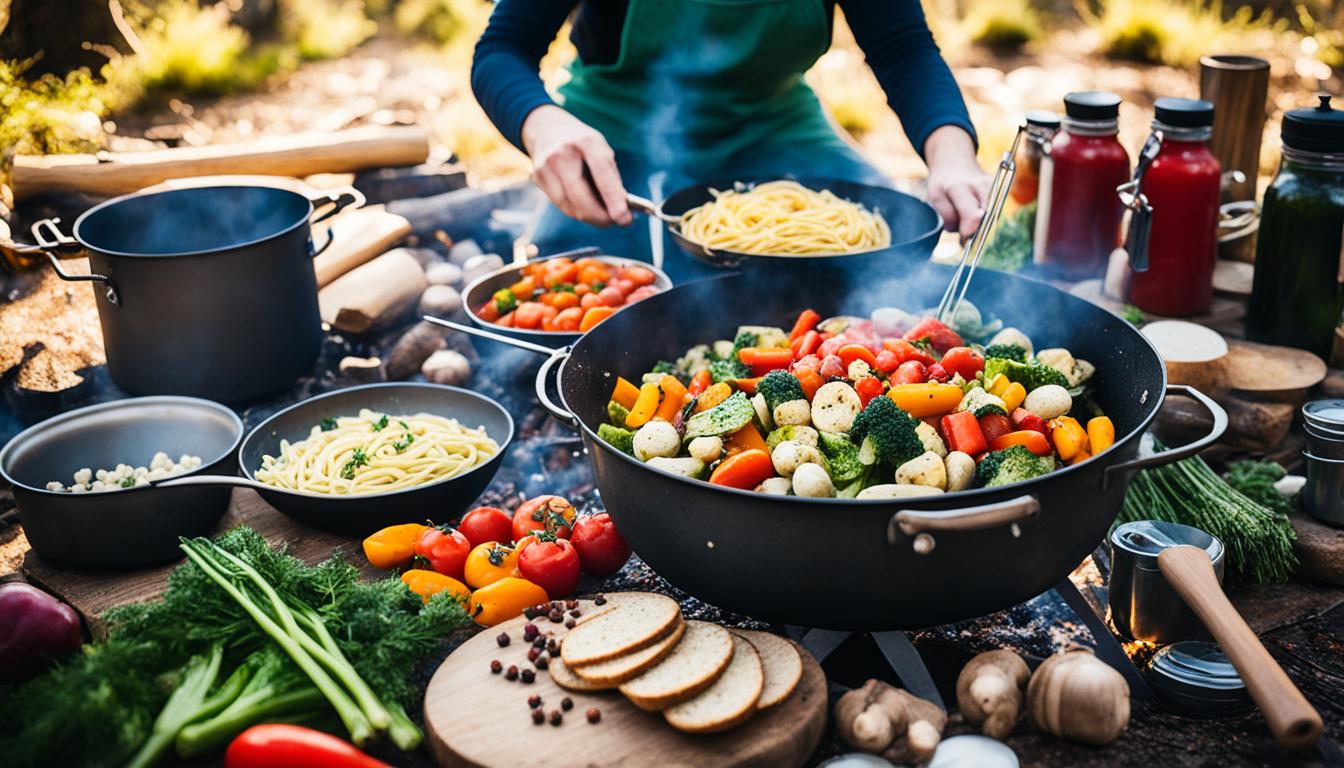
I still remember trying to cook a proper dinner in a tiny Airbnb kitchen in Lisbon with exactly one pan, no measuring cups, and half the spices missing from my usual list back home. It was frustrating for about ten minutes — then it turned into one of the more memorable meals of that whole trip. That kind of moment is exactly what people are chasing when they search for traveling recipes, even if they don’t always have the words for it yet.
Quick Answer
Traveling recipes are simplified, adaptable cooking instructions designed for people who are away from a fully stocked home kitchen — whether that’s a hotel room, campervan, hostel kitchen, or vacation rental. They typically rely on minimal equipment, easy-to-find local ingredients, and flexible substitutions, making it possible to cook a real meal without needing a full pantry or specialized tools.
What Traveling Recipes Actually Are
At the core, traveling recipes solve a very specific problem: how do you cook something satisfying when you don’t have your usual setup? Someone road-tripping across a country, staying in a shared hostel, or working remotely from a new city every few weeks isn’t going to have a spice rack, a stand mixer, or even a full set of pots.
These recipes are built around constraints rather than around a specific cuisine. That’s an important distinction. A traveling recipe for pasta and a traveling recipe for a Thai-inspired stir-fry might look completely different in terms of flavor, but they’ll share the same underlying logic — few ingredients, minimal equipment, quick cleanup, and enough flexibility to swap in whatever’s actually available at a local market or small grocery store.
This concept has grown alongside the rise of van life, digital nomad culture, and budget travel content online. It’s not a formally defined culinary category the way, say, French cuisine is — it’s more of a practical lifestyle response to a common problem a lot of travelers run into.
How It Works In Practice
Most traveling recipes are built around a few consistent principles:
- One-pot or one-pan cooking — reducing dishes and cleanup time, especially important in shared kitchens or tiny campervan setups
- Minimal equipment reliance — recipes designed to work with just a knife, a pan, and maybe a small pot, skipping anything that requires a blender, oven, or specialty tool
- Ingredient flexibility — built-in substitutions so a recipe still works if you can’t find one specific item at a foreign grocery store
- Shelf-stable staples — rice, pasta, canned beans, olive oil, and basic spices that travel well and don’t spoil quickly
- Local ingredient integration — encouraging cooks to swap in whatever’s fresh and available locally rather than importing every ingredient from home
The best traveling recipes almost read more like guidelines than strict instructions, because they’re meant to flex depending on what’s actually sitting in a strange kitchen’s cupboard.
Main Features Worth Knowing
- Short ingredient lists — usually five to eight items, rarely more
- Fast cooking times — most fall under thirty minutes, since travelers often have limited time or energy after a day of exploring
- Portability of core ingredients — spice blends, dried herbs, and condiments that pack easily in a bag or camper without spoiling
- Adaptability across cuisines — the same basic technique (say, a one-pan grain bowl) can be adjusted with local vegetables, proteins, and seasonings anywhere in the world
- Budget-friendliness — most recipes are designed with cost-consciousness in mind, since eating out every meal on a long trip adds up fast
Pros And Cons
Pros:
- Saves money compared to eating out for every meal while traveling
- Encourages genuine engagement with local markets and ingredients
- Reduces stress around cooking in unfamiliar kitchens with limited tools
- Builds a transferable cooking skill set that works well beyond travel too — small apartments, dorm rooms, or minimalist kitchens at home
Cons:
- Limited equipment means some dishes just aren’t realistic to attempt on the road
- Ingredient availability varies wildly by country, so a recipe that works in one place might need serious adjustment elsewhere
- Language barriers at local markets can make it hard to identify unfamiliar ingredients or substitutes
- Food safety becomes trickier with unfamiliar refrigeration setups, especially in hostels or shared spaces
Real-World Examples And Use Cases
A friend who spent three months backpacking through Southeast Asia told me her go-to traveling recipe was a simple fried rice built around whatever vegetables looked freshest at the local market that day, plus a couple of eggs and a splash of soy sauce she carried in a small travel bottle. It cost her almost nothing and rarely felt repetitive, because the vegetables changed depending on where she was.
Van life content creators have built entire followings around this exact idea — cooking full meals using a single portable stove, a cutting board balanced on their lap, and whatever they picked up at a roadside stand that morning. It’s become such a recognizable format that entire cookbooks now exist specifically built around cooking in compact, mobile kitchens.
Even business travelers use a simplified version of this. Someone stuck in a hotel room with just a small fridge and a kettle can still put together a basic overnight oats breakfast or a simple instant noodle upgrade using a few packed staples — not glamorous, but genuinely useful after a long flight.
Safety, Privacy, And Legitimacy
There’s no scam or credibility concern tied to the term itself — it describes a cooking approach, not a paid product or service. Most traveling recipes come from food bloggers, travel content creators, and cookbook authors with genuine firsthand experience cooking on the road.
That said, a few practical safety points matter here:
- Refrigeration uncertainty in unfamiliar kitchens means perishable ingredients should be used quickly rather than stored for days
- Local water safety varies by destination, so recipes involving raw ingredients washed in tap water need adjusting in areas where bottled or filtered water is recommended
- Cross-contamination risk increases in shared hostel kitchens, so basic hygiene practices matter more than they might at home
- Allergen awareness is trickier abroad, since ingredient labels may be in unfamiliar languages — travelers with allergies should learn key terms in the local language before relying on packaged substitutes
Common Problems And Limitations
The most common issue is overestimating what’s actually available locally. A recipe written with Western pantry staples in mind can fall apart quickly in a region where those specific items simply aren’t sold, forcing constant improvisation.
Equipment limitations are another recurring frustration — no oven access rules out baking-based recipes entirely, and a single burner limits how many components can be cooked at once. Even something as simple as chopping vegetables can be harder with a dull shared knife in an unfamiliar kitchen.
There’s also a learning curve around portion sizing when cooking for one or two people using unfamiliar local ingredient quantities, which can lead to food waste if not planned carefully.
Comparison With Alternatives
Compared to meal-prep or meal-kit services designed for home use, traveling recipes are far more flexible and forgiving of missing ingredients, but they generally require more improvisation and won’t offer the same consistency. Compared to simply eating out every meal, cooking with traveling recipes is significantly cheaper and often healthier, though it does require more time and a willingness to shop at unfamiliar markets.
An Honest, Practical Opinion
Having cooked in more strange kitchens than I can count at this point, my honest take is that traveling recipes work best as a mindset rather than a rigid recipe card. The travelers who enjoy cooking on the road the most are usually the ones who treat a recipe as a loose starting point, not a strict formula — swapping ingredients freely and treating the occasional flop as part of the experience rather than a failure.
It’s also worth being realistic: not every meal is going to be great. Some nights it’s genuinely just rice and whatever vegetable didn’t look too wilted at the market. That’s fine. The value isn’t in gourmet results — it’s in being able to feed yourself something decent without stress, wherever you happen to be.
Final Verdict
Traveling recipes are a genuinely practical, legitimate approach to cooking away from home, built around flexibility rather than strict instruction. They’re most useful for long-term travelers, van lifers, digital nomads, and even short-term vacationers staying somewhere with a basic kitchen setup. The main limitation is that success depends heavily on local ingredient availability and available equipment, so treating these recipes as adaptable guidelines rather than fixed rules tends to produce the best results.
The full guide to understanding traveling recipes
FAQs
Q: What equipment do I actually need for traveling recipes?
A: Most only require a single pan or pot, a knife, and a cutting surface — anything beyond that is a bonus rather than a requirement.
Q: Are traveling recipes suitable for people with dietary restrictions?
A: Yes, though substitutions need extra research abroad, since ingredient labeling and availability vary significantly by country.
Q: Can traveling recipes work for short trips too, or only long-term travel?
A: They work for both — even a weekend trip with access to a basic kitchenette can benefit from simple, low-equipment recipes.
Q: Is it cheaper to cook traveling recipes than to eat out?
A: Generally yes, especially over longer trips, though the savings depend on local grocery prices compared to restaurant costs in that destination.
Q: How do I find good traveling recipes for a specific destination?
A: Travel food bloggers, van life cooking channels, and destination-specific cookbooks are usually the most reliable sources, since they’re built from firsthand experience cooking in similar conditions.
